
I've Always Liked You
This is the last time I’m going to practice…
Natsuki Enomoto, a third-year student at Sakuragaoka High School, has feelings of unrequited love for her childhood friend, Yuu Setoguchi. Unable to be true to her own feelings, Natsuki tells Yuu that she is merely using him as a stand-in to practice confessing her love to. As Natsuki continues to pretend not having any feelings for Yuu, her classmate Koyuki Ayase asks her out on a date. Will Natsuki ever be able to stop “practicing” and actually confess her love to Yuu?
(Source: Aniplex USA)
📺Anime Details
📝Editorial Analysis
The chalk dust hangs in the afternoon light like suspended breath—Natsuki Enomoto erases Yuu Setoguchi’s name from the blackboard, then writes it again, then crosses it out with a single, trembling line. Not because she’s angry. Not because she’s indifferent. Because saying it—even silently, even in graphite—feels like stepping off a ledge without knowing if the ground will hold. That moment isn’t about confession or rejection. It’s about the unbearable weight of almost, the quiet agony of rehearsing sincerity until your own voice sounds like someone else’s.
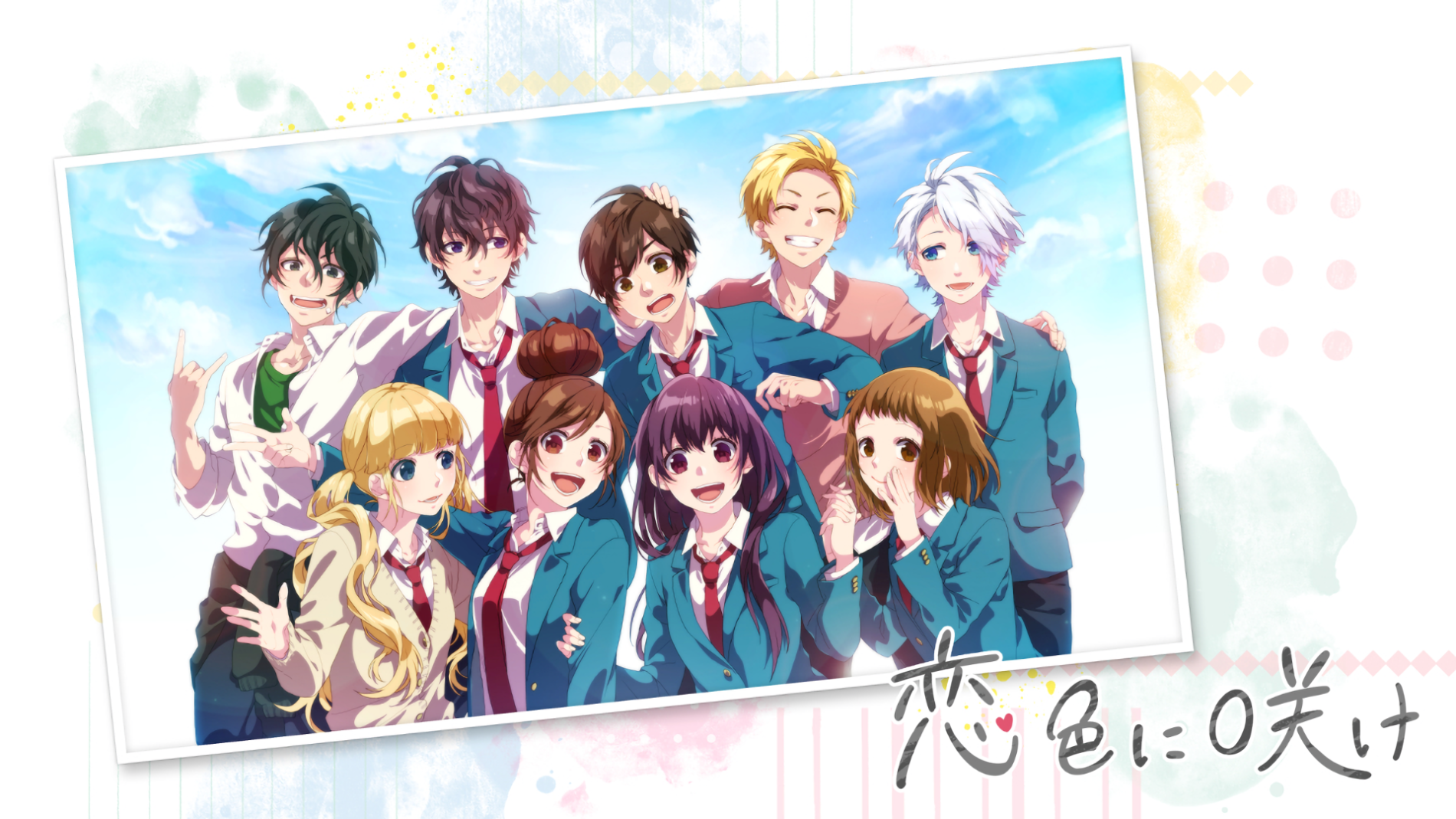
What makes I've Always Liked You ache so precisely isn’t its love triangle or its school setting—it’s how deeply it trusts stillness. There are no grand declarations, no climactic rain-soaked confessions. Just Natsuki folding her hands too tightly in class, blinking too slowly when Yuu laughs, choosing Koyuki’s date not as escape but as delay. It makes you feel the friction between intention and action—the way teenage longing doesn’t roar; it settles, like dust on an unused piano key. You think about all the things you’ve called “practice” to avoid naming them: grief, desire, fear of being known. The anime doesn’t judge Natsuki for hiding behind performance—it holds space for how terrifying honesty feels when your heart hasn’t yet learned its own grammar.
That same emotional gravity lives in Persona 5 Royal, where daily life isn’t downtime—it’s the real battlefield. The description calls it a “seamless transition between daily life,” and the player review nails why it resonates: “Stunning Soundtrack… Gameplay Loop.” That loop—attending class, visiting arcades, tending to a flower in your room, building bonds one careful conversation at a time—isn’t filler. It’s the slow, deliberate accumulation of self-trust. Like Natsuki practicing confessions, Joker builds relationships through repetition, through showing up, through choosing who to listen to when the world is loud. Both works treat time as tactile: minutes stretch, choices linger, and every small act of attention becomes quietly revolutionary.
Dragon Age: Origins shares that same reverence for emotional consequence—not through stylized Tokyo alleyways, but through Thedas’ mud-streaked roads and candlelit taverns. Its description asks: What will be said about the hero who turned the tide? But the player review reveals what really matters: “the story is great and its pause attack mechanic is amazing… help a lot to strategist your tactic.” That pause button—freezing combat mid-swing to weigh a decision—is the exact digital echo of Natsuki pausing before speaking, before holding Yuu’s hand, before letting Koyuki’s question land. In both, romance isn’t a side quest—it’s woven into the tactical rhythm of survival. A flirtation isn’t just charm; it’s resource management. A withheld truth isn’t cowardice—it’s a calculated deferral, waiting for the moment your courage syncs with your conviction.
Even Jade Empire™: Special Edition, with its martial-arts mastery and philosophical duality, carries this DNA—not in plot, but in stance. The description invites you to follow “the path of the open palm or the closed fist,” and though the player review fixates on technical setup, the core tension mirrors Natsuki’s: How do you move forward when every gesture could mean surrender or resistance? Her “practicing” is her open palm—offering something real while keeping her heart folded tight. Yuu’s quiet patience is his closed fist—not clenched in anger, but held steady, ready to receive only when she chooses to uncurl.
This pairing isn’t for people who want fireworks. It’s for the ones who recognize love in the tremor before a sentence, in the pause before a choice, in the way silence can hold more truth than speech. It’s for players who replay a dialogue option three times just to hear the sigh in their character’s voice—and viewers who rewatch Natsuki’s third glance at Yuu’s shoes, wondering if this time, she’ll finally look up. They’re both about the courage it takes to stop rehearsing—and start living the feeling, raw and unedited.
🎮6 Games That Match the Vibe






Match Dimensions Explained
❓Frequently Asked Questions
Why is Persona 5 Royal listed as similar to I've Always Liked You?
Because both lean hard into slow-burn romantic tension woven into daily life routines—like building bonds with characters such as Ann Takamaki or Ryuji Sakamoto through school days, part-time jobs, and heartfelt confessions in quiet moments. The JRPG Narrative + Romance & Shoujo overlap isn’t just thematic; it’s structural: calendar-based progression, emotional intimacy unlocked through dialogue choices and timed events, and a soundtrack that *feels* like a crush (seriously—‘Last Surprise’ hits the same wistful, yearning tone as I've Always Liked You’s OST).
Is there an anime or visual novel adaptation of I've Always Liked You?
No official anime or visual novel adaptation exists—but if you're craving that same vibe, Dragon Age: Origins delivers surprisingly deep, choice-driven romance arcs (like Morrigan’s morally grey banter or Leliana’s poetic devotion) with the weight and reactivity of a visual novel, all wrapped in a rich JRPG Narrative framework. Players even pause mid-combat to adjust tactics *and* flirt—just like pausing a confession scene to savor the silence before ‘I like you’.
How does Jade Empire compare to I've Always Liked You in terms of romance?
Jade Empire leans more into mythic, fate-driven romance—think choosing between the Open Palm’s compassionate path with Master Li’s daughter, or the Closed Fist’s fiery bond with Dawn Star—where feelings unfold through martial philosophy and destiny, not text messages or classroom glances. It shares the Romance & Shoujo dimension with I've Always Liked You, but trades slice-of-life realism for wuxia-style emotional gravity, like confessing love mid-leap across a moonlit pagoda roof instead of during lunch break.
What’s the best game like I've Always Liked You if I want that bittersweet, nostalgic high-school feeling?
Persona 5 Royal is your top pick—especially for that specific ache of unspoken feelings and golden-hour Tokyo sunsets. You’ll mirror I've Always Liked You’s mood in scenes like walking home with Futaba after school, or choosing whether to confess before the final battle in Mementos, all underscored by that hauntingly beautiful soundtrack. Its 82 Metacritic score reflects how perfectly it balances shoujo tenderness with JRPG stakes—no other match on the list nails that 'first love, last summer' vibe so precisely.