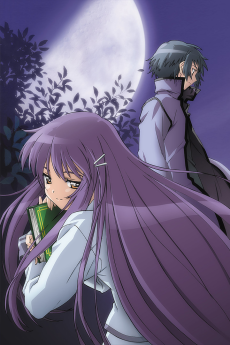
Looking Up at the Half-Moon
📺Anime Details
📝Editorial Analysis
The quiet hum of a ceiling fan on a summer afternoon. A boy sits cross-legged on worn tatami, staring not at the girl beside him but at the ceiling—specifically, at the pale, imperfect arc of the half-moon painted there in faint blue ink. She doesn’t speak. He doesn’t move. Neither blinks. The silence isn’t empty—it’s charged, thick with everything unsaid: grief too tender to name, affection too fragile to confess, time slipping like sand between fingers already learning how little control they have.
That stillness—that suspended breath before loss makes itself known—is the core of Looking Up at the Half-Moon. It doesn’t shout tragedy; it lets it settle like dust motes in sunbeams. This isn’t coming-of-age as triumph, but as quiet recalibration: the dawning awareness that love and sorrow wear the same soft edges, that philosophy isn’t abstract—it’s the weight of choosing how to hold someone’s hand when you know the clock is ticking. The tsundere isn’t comic relief—it’s armor worn so thin it’s translucent. The comedy arrives in nervous stutters and misplaced tea cups, not to undercut feeling, but to make it more real. You don’t watch this anime to escape. You watch it to remember how it feels to stand, barefoot and blinking, on the threshold between childhood certainty and adult ambiguity.
Tank Universal shares that same emotional DNA—not through tanks or lasers, but through the player review’s raw, unadorned ache: “Play cool tank game with dad when you were 6… time goes on; loose access to game. Grew up dad passes away…” That line isn’t about gameplay—it’s about memory’s texture: bright colors, crisp sound effects, then sudden absence. Like the anime’s half-moon ceiling, it’s a small, personal artifact holding immense emotional gravity. Both anchor profound loss in mundane, tactile detail—the clack of a tank’s turret rotation echoing the tap of a pencil dropping during a silent conversation. Neither explains grief. They let it sit, unvarnished, in the space between frames—or between reloads.
The Witcher 3: Wild Hunt, with its description framing Geralt’s quest as “tracking down Ciri — the Child of Prophecy,” mirrors the anime’s central tension: love as responsibility, care as quiet defiance against inevitable endings. The player review notes the DLC announced 11 years after release, underscoring how meaning accrues over time—not just in-game, but in life. Like the protagonist watching his classmate’s slow, irreversible decline, Geralt’s journey isn’t measured in quests completed, but in moments where choice collapses into tenderness: holding a hand, delaying departure, saying “I’ll come back” knowing he might not. Both works treat time not as a resource to optimize, but as a current you wade through, sometimes up to your throat.
Return of the Obra Dinn lands with even sharper resonance. Its entire structure—piecing together fragmented, irreversible fates from frozen moments—mirrors how Looking Up at the Half-Moon constructs its emotional architecture. There are no flashbacks. Just glances, pauses, offhand remarks that later bloom into devastating clarity. The game’s player doesn’t control outcomes—they witness, deduce, grieve. So does the anime’s protagonist, who learns love not through grand declarations, but by noticing how her breathing changes when she lies, or how her laughter catches—just once—on something brittle and breaking. Both demand stillness. Both reward attention not to plot, but to texture: the grain of old wood, the tremor in a voice, the exact shade of moonlight on a hospital wall.
This pairing isn’t for fans of “sad stories.” It’s for people who’ve held a loved one’s hand while pretending not to count their breaths. For those who keep old ticket stubs not for nostalgia, but because paper holds memory better than memory does. For anyone who’s ever stared at a half-moon—painted or real—and felt the quiet, aching beauty of something incomplete, impermanent, and utterly, devastatingly true.
🎮19 Games That Match the Vibe

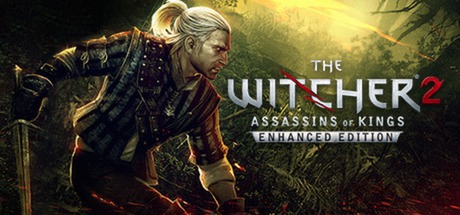
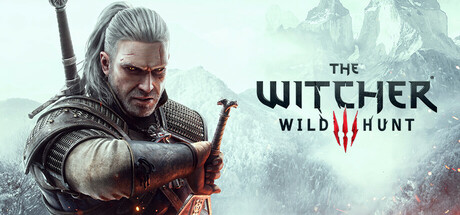
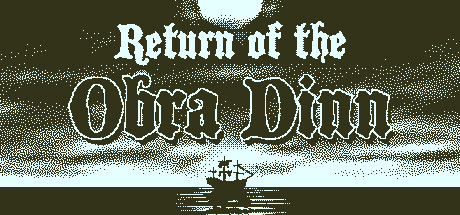

Match Dimensions Explained
❓Frequently Asked Questions
Why does Tank Universal show up in 'Games Like Looking Up at the Half-Moon' when it's a tank shooter?
Great question—it’s not about genre, but shared emotional weight and mature storytelling. Like Looking Up at the Half-Moon, Tank Universal leans hard into Adult & Dark Seinen vibes: that bittersweet, nostalgic melancholy of childhood memories tied to loss (like the player’s review mentioning playing with their dad before he passed). It’s the quiet moments between battles—the hum of the virtual arena, the loneliness of piloting alone—that echo the same introspective, emotionally resonant tone.
Is there an anime or manga adaptation of Looking Up at the Half-Moon?
No official anime or manga adaptation exists—but interestingly, several games on the match list *do* have strong anime/manga DNA baked in. The Witcher series (all three main entries) draws heavily from Polish fantasy literature and has inspired acclaimed animated adaptations, while Return of the Obra Dinn channels the visual storytelling and pacing of classic mystery manga like *The Kindaichi Case Files*. So if you’re craving that adapted-media depth, those are your closest live-action-adjacent fits.
How does Return of the Obra Dinn compare to The Witcher 3 for emotional storytelling?
They’re both 66-scored Emotional Narrative/Dark Seinen matches, but go about it very differently. The Witcher 3 wraps you in Geralt’s world—Ciri’s trauma, Yennefer’s sacrifices, even minor NPCs like Shani or the Bloody Baron carry layered, gut-punch arcs. Return of the Obra Dinn, meanwhile, makes you *piece together* emotion from silence: a sailor’s final note, a glance frozen mid-scene, the way a crewmate’s name vanishes from the log—all without dialogue or music. One tells stories *at* you; the other makes you feel them by deduction.
What’s the best game like Looking Up at the Half-Moon if I want something quietly heartbreaking but not fantasy or sci-fi?
Return of the Obra Dinn is your perfect match—it’s grounded, historically textured (1803 shipboard setting), and devastatingly human. No magic, no tanks, no monsters—just you, a pocket watch, and 60 souls whose fates you reconstruct through fragmented clues. That scene where you realize the cabin boy wasn’t just scared, but *chose* to stay behind? Or how the captain’s final log entry reads like a love letter disguised as duty? That’s the same tender, unflinching ache as Looking Up at the Half-Moon—just delivered through ink, silence, and deduction.