
Run with the Wind
Former ace runner of Sendai Josei High School, Kakeru Kurahara is chased away from a convenience store for shoplifting. Shaking off his pursuer, he runs into Haiji Kiyose, another student from his university. Haiji is impressed by Kakeru's agility and persuades him to live in Chikusei-sou, the run-down apartment where Haiji resides along with eight other students. Having lost his entire apartment deposit at a mahjong parlor, Kakeru accepts the offer reluctantly.
However, Haiji reveals a secret during Kakeru's welcoming party: the apartment is actually the dormitory of the Kansei University Track Club. He unveils his ultimate goal of participating in the Hakone Ekiden—one of the most prominent university marathon relay races in Japan. Unfortunately, all the residents apart from Haiji and Kakeru are complete running novices. Worse still, none of the inhabitants are even remotely interested in being involved with Haiji's ridiculous plan! With only months before the deadline, will the fourth-year student be able to convince them otherwise and realize his elusive dream of running in the Hakone Ekiden?
📺Anime Details
📝Editorial Analysis
The pavement is cold under bare feet at 5 a.m. Kakeru Kurahara stumbles into the pre-dawn hush of Chikusei-sou’s cracked concrete courtyard—not sprinting, not fleeing, but breathing, chest heaving, sweat tracing salt lines down his temples as Haiji watches from the rusted fire escape, silent, unblinking. No music swells. No rival appears. Just the rasp of air, the distant groan of a garbage truck, and the quiet weight of a boy who hasn’t run for joy in years—only survival—now standing still, finally seen. That moment isn’t about speed. It’s about the first time exhaustion stops feeling like punishment and starts feeling like permission.
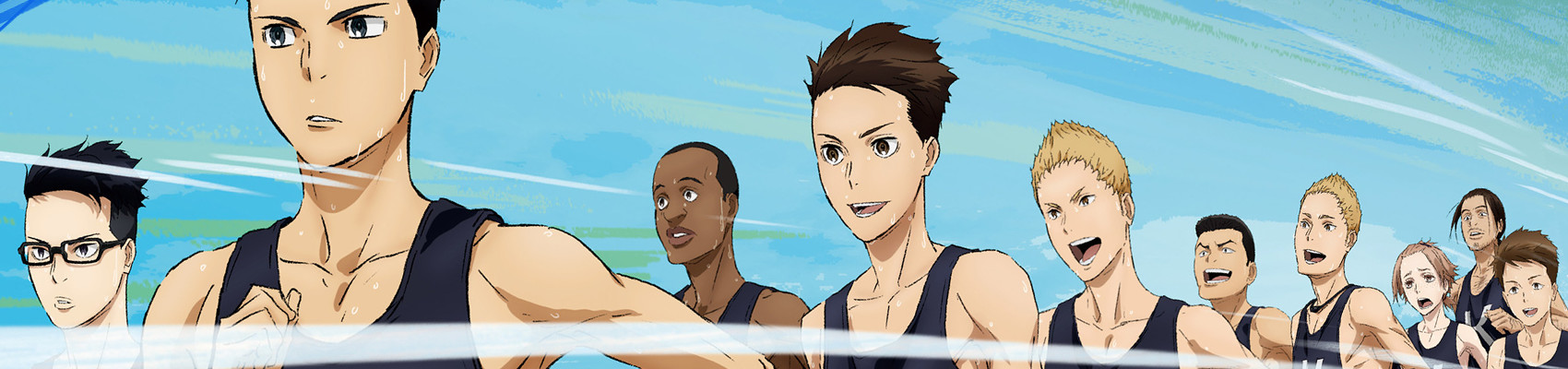
What makes Run with the Wind ache so deeply isn’t its track meets or training montages—it’s how it treats effort as sacred, recovery as ritual, and shared breath as kinship. This isn’t a story about winning medals. It’s about ten young men learning to hold space for each other’s shame, silence, and stubborn, unglamorous persistence. You feel the grit of worn sneakers on asphalt, the sting of lactic acid in your own thighs, the warmth of shared miso soup after a 20-kilometer run in drizzle. It makes you think about how dignity isn’t earned in victory—it’s reclaimed, inch by slow, communal inch, in the space between one footfall and the next. There’s no grand villain, no cosmic stakes—just the quiet, relentless pressure of becoming enough, together. And that kind of tenderness, forged in sweat and silence, is rare. It’s real. It’s quietly revolutionary.
That emotional DNA—the reverence for incremental growth, the gravity of collective commitment, the way vulnerability becomes strength when witnessed—echoes powerfully in Persona 5 Royal. Its player review praises “the seamless transition between daily life…”—exactly the rhythm Run with the Wind masters: school lectures, part-time shifts, cramped apartment dinners, and sudden, breathtaking runs through Tokyo’s backstreets—all woven into one breathing, pulsing whole. Like Haiji mapping relay legs on napkins, Joker schedules confidants and dungeon dives with the same meticulous care. Both trust that meaning lives in the in-between: a confession over convenience-store rice balls, a quiet nod before a boss fight, the shared exhaustion after a long day’s work that somehow matters more than the climax.
Champions Online, too, resonates—not through spectacle, but through its player’s raw admission: “I love this game. The concept of it. The mechanics. Customization.” That devotion mirrors the students’ fierce, almost irrational investment in Chikusei-sou’s broken roof, its leaky faucet, its mismatched futons. Kakeru doesn’t join a polished elite team—he joins this: flawed, broke, improvising, custom-built. Like designing a hero from “thousands of costume pieces,” the runners assemble themselves—not from ideal stats, but from what they have: a former marathoner with bad knees, a physics nerd who’s never jogged, a guy who trains while delivering pizza. Their “customization” is emotional labor, not pixels—and their “competitive spirit” isn’t about crushing rivals, but showing up, day after day, for each other.
Even Dragon Age: Origins, with its player noting “the story is great and its pause attack mechanic is amazing… help a lot to strategist your tactic,” taps into the same truth: strategy here isn’t cold calculation—it’s care. Haiji’s relay planning isn’t just pacing; it’s reading who needs encouragement, who hides pain behind jokes, who’ll crack if pushed too hard. Like pausing mid-battle to shield a wounded ally, Haiji pauses the race before it begins—to adjust a strap, hand over water, say nothing at all. The weight of leadership isn’t in commands—it’s in knowing when to stop.
This pairing isn’t for fans of flashy wins or lone wolves. It’s for the person who rewatched that scene where Yuki quietly tapes Kakeru’s ankle twice, because the first time wasn’t tight enough—and felt their throat close. It’s for the player who spent three hours customizing a companion’s dialogue options in Persona 5 Royal, not for power, but to make them feel safe. It’s for anyone who’s ever trained alone, then stumbled into a group where showing up—just showing up—was the bravest thing they’d ever done. They understand: the real finish line isn’t crossed in seconds. It’s built, slowly, in shared breath, in quiet mornings, in the unspoken vow to keep running—together.
🎮22 Games That Match the Vibe









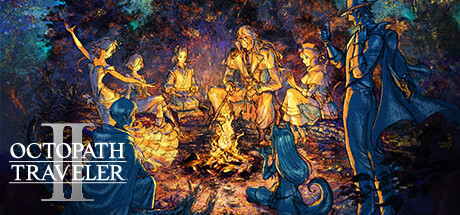

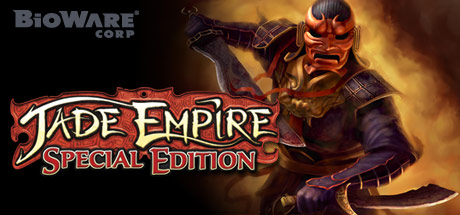

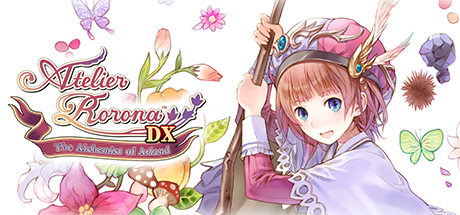







Match Dimensions Explained
❓Frequently Asked Questions
Why does Run with the Wind resonate so much with fans of Persona 5 Royal?
Both lean hard into emotional narrative and the quiet intensity of personal growth—like watching Ren Amamiya juggle school life and heists while your runner in Run with the Wind trains at dawn on Komaba Track, each small victory echoing Joker’s confidence-building Confidant scenes. Persona 5 Royal’s seamless daily rhythm (attending class, hanging out in Shibuya, then diving into Mementos) mirrors the season-long cadence of practice, setbacks, and camaraderie in Run with the Wind—no wonder it scores 78 in Emotional Narrative and JRPG Narrative.
Is there a Run with the Wind anime adaptation with gameplay elements like Champions Online?
No—Run with the Wind is strictly an anime (and manga), with zero official game adaptation. But if you love its competitive spirit *and* want that superheroic team energy, Champions Online nails it: designing your own hero, teaming up to take down Dr. Destroyer in Millennium City raids, and that deep, expressive costume customization (over 10,000 pieces!) gives the same rush of identity + collective purpose you feel when Kakeru’s squad finally nails their relay handoff in Episode 22.
How does Dragon Age: Origins compare to Jade Empire™: Special Edition for emotional storytelling?
They’re both heavy-hitting JRPG-style narratives with strong Emotional Narrative and JRPG Narrative scores (both 73), but DA:O leans into moral weight and legacy—like choosing whether to sacrifice Alistair or Loghain during the Landsmeet—while Jade Empire focuses on intimate martial-arts philosophy, where your choice between Open Palm (compassion) or Closed Fist (control) reshapes relationships with Master Li and Dawn Star. Both demand emotional investment, but DA:O’s pause-and-plan combat adds tactical gravity Jade Empire’s real-time kung fu lacks.
What’s the best game like Run with the Wind if I just want that warm, determined, underdog-team vibe?
Champions Online—yes, really! It’s not about running, but about building something meaningful with others: crafting your hero alongside friends, defending Millennium City block-by-block, and feeling that shared pride after a hard-won raid against Dr. Destroyer. The player review calls its customization ‘the best case of character customization’—just like how Run with the Wind makes you *feel* every stitch of Kakeru’s worn track suit and every exhausted grin from Haiji’s crew.