
Fairy Tail
Across the Fiore kingdom, wizards join guilds and make their pay by filling magical needs—but one guild has a reputation as the roughest, rowdiest, most dangerous of all: Fairy Tail!
When four young Fairy Tail members unite, their bond is forged by a power found in neither muscle nor magic and grows stronger with every mission. Whatever you do, don't mess with these friends or you'll get a taste of Natsu's flaming fist or Gray's ice hammer, suffer a painful blow from one of Lucy's celestial spirits or catch the edge of Erza's mighty blade! Whether they're stopping demons from devastating the world or wrestling in the mess hall, this mystical team manages to inflict as much damage to their rivals as they do to the surrounding area!
(Source: Funimation)
📺Anime Details
📝Editorial Analysis
The scent of burnt sugar and ozone hangs thick in the air—Natsu’s fist ignites mid-swing, Lucy’s whip cracks like a snapped bone, Gray’s ice spikes erupt from the floor just as Erza’s sword cleaves the ceiling in half. Dust rains down on overturned barstools. Someone’s laughing. Someone else is already healing a broken rib with magic while yelling about rent. This isn’t a battle—it’s a homecoming, violent and warm and utterly unapologetic.
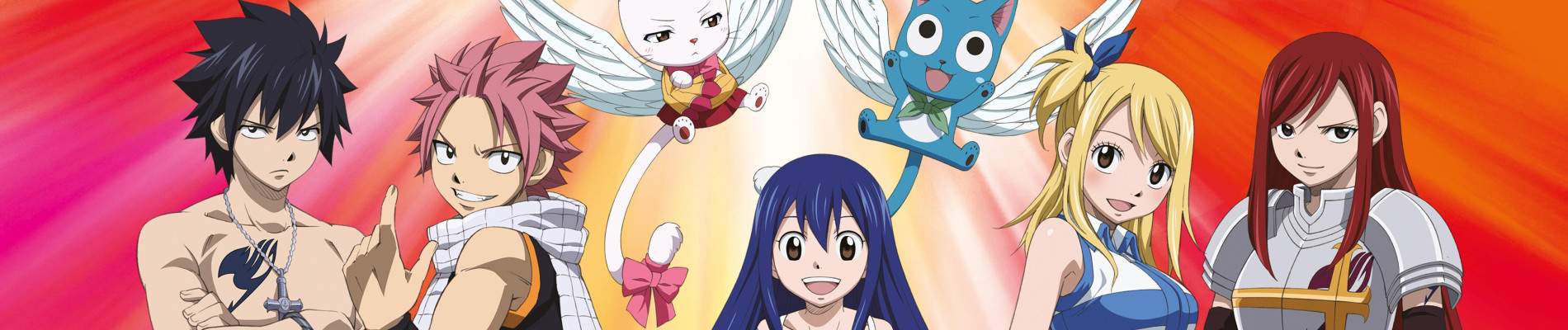
That’s Fairy Tail: not just action, but kinetic belonging. It doesn’t ask you to believe in magic first—it makes you feel the weight of a shared meal after a near-death mission, the sting of betrayal that cuts deeper because you’ve seen the same person cry over a lost cat, the quiet pride when someone who once hid behind a book finally throws the first punch. The magic is loud, yes—but the heart is louder. It’s the kind of show where chaos isn’t disruption—it’s the language the characters use to say I see you, I trust you, I’ll burn the world down with you. That feeling—fierce, unfiltered, unbreakable—is what lingers long after the last spell fades.
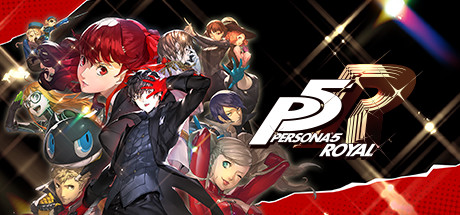
Persona 5 Royal shares that pulse. Its description calls it a “stylish turn-based RPG filled with dungeon crawling, party customization, strategic combat, and Persona fusion”—but the player review nails the soul: “Stunning Soundtrack… seamless transition between daily life…” That duality—high-stakes heists in surreal palaces and quiet evenings sharing coffee, studying, confessing fears—is pure Fairy Tail rhythm. Natsu crashing through walls to save Lucy mirrors Joker slipping into a palace to pull a friend back from despair—not because it’s efficient, but because they’re family. Both treat time as sacred: every day matters, every conversation stacks up like bricks in a foundation. The music swells not just during combat, but during a late-night rooftop talk—exactly how Fairy Tail scores a quiet moment of Gray mending Lucy’s broken pen with frost, or Happy napping on Natsu’s chest mid-brawl.
Dragon Age: Origins resonates in its raw, consequential intimacy. Its description asks: “What will be said about the hero who turned the tide against the darkspawn?”—not as myth, but as legacy forged in real-time choice. The player review highlights the pause attack mechanic, calling it “amazing… help a lot to strategist your tactic.” That’s the emotional architecture: tension held in stillness before impact. Like when Erza pauses mid-battle—not to plan, but to see her friends’ faces, to recalibrate not strategy, but loyalty. In Dragon Age, every companion has a past that bleeds into present decisions; every campfire conversation reshapes who you are. Just like Fairy Tail’s guild hall—where Makarov’s jokes land differently after a funeral, where Cana’s drinking isn’t comic relief but grief wearing a mask—the weight isn’t in the dragons or darkspawn, but in how deeply you know these people—and how much it hurts when they’re hurt.
Jade Empire™: Special Edition, though its player review fixates on technical setup, reveals something quieter in its description: “Step into the role of an aspiring martial-arts master and follow the path of the open palm or the closed fist.” That duality—mercy vs. force, compassion vs. conviction—is Fairy Tail’s moral spine. Natsu doesn’t just fight to win—he fights to pull people back. When he spares an enemy who reminds him of his brother, when Lucy negotiates instead of summoning, when Gray strips not for shock, but because vulnerability is his armor—that’s the open palm meeting the closed fist. The game’s emphasis on philosophical paths mirrors how Fairy Tail treats morality not as rules, but as relationships in motion: every choice echoes in how Lucy looks at Mirajane, how Juvia watches Gray, how Gajeel learns to say “thanks” without growling.
This pairing sings for the person who cries during a training montage and saves their favorite party member’s dialogue log. For the one who replays the scene where the guild rebuilds its sign—not because it’s flashy, but because the hammer hits just right, wood splintering and laughter rising together. Who needs stories where love is loud, loyalty is messy, and healing happens over shared ramen, not monologues. Not fantasy despite emotion—but fantasy because of it.
🎮15 Games That Match the Vibe







Match Dimensions Explained
❓Frequently Asked Questions
Why is Persona 5 Royal recommended for Fairy Tail fans?
Because both lean hard into found-family bonds, flashy team-up moments (like Phantom Thieves' All-Out Attacks vs. Fairy Tail's guild-wide brawls), and emotional arcs where characters grow through loyalty and self-acceptance. The daily life + dungeon loop in Persona 5 Royal mirrors Fairy Tail’s rhythm of lighthearted guild interactions followed by high-stakes magical combat—plus, Joker’s crew has that same irreverent, defiant energy as Natsu and co.
Is there a Fairy Tail video game adaptation with actual anime voice acting?
No—the official Fairy Tail games (like the 2019 console title) use Japanese VA but lack full English dub integration or dynamic scene direction like in anime. That’s why fans often pivot to narrative-rich JRPGs like Dragon Age: Origins instead, where voice-acted party banter (e.g., Alistair’s nervous charm or Morrigan’s dry wit) delivers that same layered character chemistry—and its pause-and-plan combat even lets you recreate epic tag-team moments like Gray + Erza’s synchronized attacks.
How does Jade Empire compare to Dragon Age: Origins for Fairy Tail vibes?
Jade Empire leans more into stylized martial-arts spectacle and moral choice-driven storytelling—think Fairy Tail’s fight choreography meets Eastern myth—while Dragon Age: Origins nails the gritty, emotionally charged party dynamics (like Leliana’s devotion or Sten’s quiet honor) that echo guild loyalty. Both score 75 in Emotional and JRPG Narrative, but Jade Empire’s open-palm/closed-fist path feels closer to Fairy Tail’s ‘light vs. dark magic’ duality than DAO’s darker, war-torn stakes.
What’s the best Fairy Tail-like game if I want hype group energy and killer music?
Persona 5 Royal—hands down. Its jazz-funk soundtrack slaps harder than Fairy Tail’s opening themes, and every All-Out Attack (like Ann’s 'Crescent Slash' or Ryuji’s 'Thunder Reign') lands with the same chaotic, joyful synergy as Natsu + Lucy + Happy combo moves. Plus, hanging out in Shibuya cafes or bonding with party members at Leblanc feels just like chilling at the guild hall—full of banter, growth, and unshakable camaraderie.