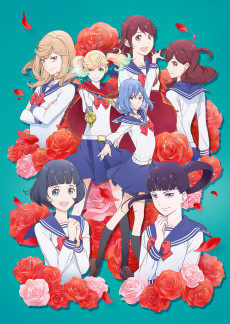
Kageki Shojo!!
The curtain rises on the Kouka School of Musical and Theatrical Arts. Spotlight on Sarasa Watanabe, a starry-eyed 5'10" student who dreams of performing as Oscar, a male lead role. She forms an unlikely friendship with her new roommate, a former idol who now also hopes to join the all-female Kouka Acting Troupe. Together, they’re in for the role of a lifetime.
(Source: Funimation)
📺Anime Details
📝Editorial Analysis
The first time Sarasa Watanabe stands alone in the Kouka School’s empty rehearsal hall—her tall frame silhouetted against the dusty stage lights, voice trembling just slightly as she delivers Oscar’s soliloquy not as mimicry but as yearning—you feel it: the quiet, aching weight of a dream too big for the room, yet too real to dismiss. No fanfare, no montage, no swelling strings—just her breath catching on a line about legacy and disguise, and the faint creak of floorboards under someone else’s hesitant footsteps approaching from the wings.
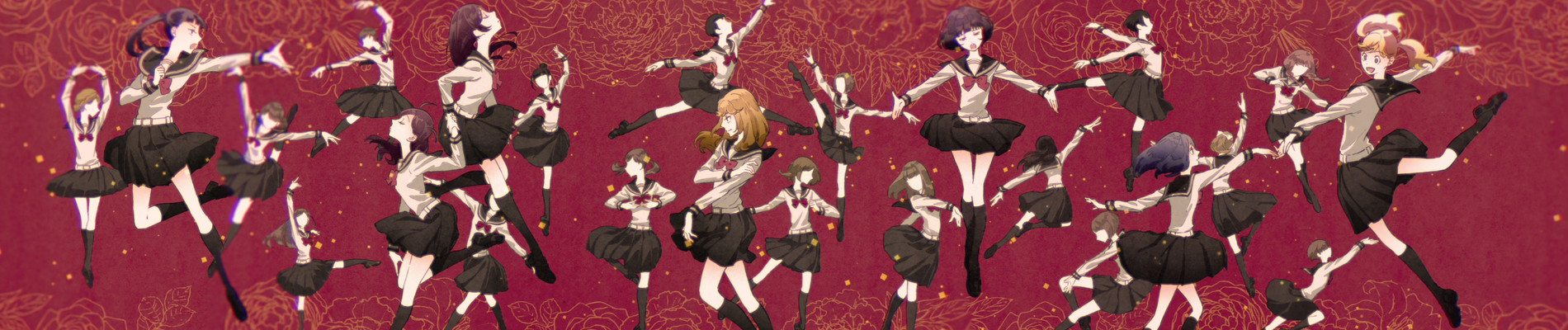
That moment isn’t about spectacle. It’s about presence: the kind that lives in the gap between who you are and who you’re allowed to become. Kageki Shojo!! doesn’t trade in grand battles or cosmic stakes—it builds its world in the hush before a cue, the sting of a missed note during vocal warm-ups, the way two girls sit cross-legged on a dorm floor at midnight, dissecting a script not for plot, but for permission. It makes you feel the physicality of aspiration—the sore throat, the blisters, the way your spine straightens instinctively when you step into character—not as suffering, but as honest labor. You think about how identity isn’t worn like costume, but forged in repetition: saying the lines until they stop sounding borrowed, until the mask becomes muscle memory, until Oscar stops being a role and starts feeling like a compass.
That emotional DNA pulses strongest in games where narrative breathes alongside routine—where the drama isn’t just in the climax, but in the daily accumulation of choices that quietly reshape who you are. Persona 5 Royal mirrors this with startling fidelity: its “seamless transition between daily life” isn’t just a gameplay loop—it’s the rhythm of becoming. Like Sarasa rehearsing Oscar while juggling cafeteria duty and roommate tensions, Joker builds bonds and refines his sense of justice not through cutscenes alone, but through school days, part-time jobs, and late-night confessions under Tokyo streetlights. The “stunning soundtrack” doesn’t just underscore emotion—it anchors it, much like the Kouka Troupe’s rehearsals use melody and meter to turn vulnerability into discipline. Both ask: What do you practice until it becomes second nature? What version of yourself do you rehearse until it feels true?
Then there’s Jade Empire™: Special Edition, whose description invites you to “step into the role of an aspiring martial-arts master” and choose “the path of the open palm or the closed fist.” That framing—aspiring, path, role—is pure Kageki Shojo!!: not about innate power, but about embodied philosophy, about learning to move, speak, and hold space differently until your body believes the truth of the stance. Even the player’s oddly technical review—mentioning Steam DLLs and Reddit workarounds—echoes the anime’s texture: the backstage grit, the unglamorous labor behind the curtain, the quiet pride in mastering a system no one else sees. It’s not about flawless execution. It’s about showing up, again and again, to refine your posture in the world.
And Dragon Age: Origins, with its question—“What will be said about the hero who turned the tide?”—lands with the same quiet gravity as Sarasa wondering, mid-rehearsal, whether her height, her voice, her very silhouette disqualifies her from embodying Oscar’s nobility. Its pause-and-plan combat isn’t just tactical—it’s contemplative, mirroring how the Kouka students dissect scenes beat by beat, weighing intention against delivery. The player review’s offhand praise—“the story is great and its pause attack mechanic is amazing… help a lot to strategist your tactic”—feels like watching Sarasa and her roommate break down a blocking chart: deliberate, collaborative, deeply attentive to cause and effect. Heroism here, like artistry, is built in pauses—moments of stillness where choice crystallizes.
This pairing sings for the viewer who cries not at victories, but at the sound of a voice finally finding its resonance; for the player who saves before a dialogue choice not out of fear, but reverence—for what that sentence might make real. It’s for anyone who’s ever stood in an empty room, heart pounding, and whispered a line not to be heard—but to become.
🎮6 Games That Match the Vibe




Match Dimensions Explained
❓Frequently Asked Questions
Why does Persona 5 Royal keep coming up in 'Games Like Kageki Shojo!!' lists?
Because both lean hard into the 'performing arts as emotional transformation' vibe — think Ren's quiet intensity before a big audition mirroring Joker's theatrical heist prep, or Ann's vocal growth paralleling Futaba's confidence arc. The daily life rhythm, relationship-building with castmates (like Ryuji's loyalty mission echoing Kouka's ensemble dynamics), and that stunning, character-driven soundtrack all hit the same heartfelt, stylish narrative sweet spot.
Is there a Kageki Shojo!! visual novel or dating sim adaptation?
Not yet — but Dragon Age: Origins is the closest *functional* match if you're craving that layered romance + ensemble-cast storytelling. You’ll get deep party bonds (Alistair’s dry wit feels like Taiga’s guarded charm), meaningful dialogue choices during cutscenes, and even pause-and-plan combat that mirrors how Kageki builds tension before a performance — just swap stage lights for Fade rifts.
How does Jade Empire compare to Persona 5 Royal for Kageki Shojo!! fans?
Jade Empire leans more into physical artistry — your martial arts stance shifts mid-fight like a dancer adjusting posture, and the 'open palm/closed fist' moral path echoes how Kageki explores sincerity vs. performance. But Persona 5 Royal nails the modern, intimate character writing: Ann’s idol arc has the same emotional vulnerability as Sarina’s early struggles, and its Tokyo exploration loop feels like walking backstage at the Takarazuka Revue.
What’s the best game like Kageki Shojo!! if I want something melancholic but uplifting, with strong female friendships?
Persona 5 Royal — hands down. The rainy-day confessions in Shibuya Station, Futaba’s rooftop talks with Ann, even the way Ryuji’s loyalty mission ends with shared silence and steamed buns… it captures that exact bittersweet warmth. And the Phantom Thieves’ group dynamic — messy, supportive, fiercely loyal — hits the same notes as the Stage Girls’ late-night rehearsals and tearful post-audition hugs.