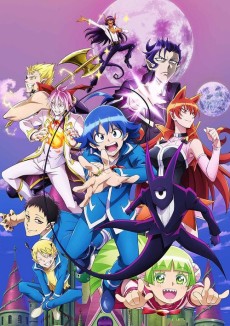
Welcome to Demon School! Iruma-kun Season 2
The second season of Mairimashita! Iruma-kun.
Suzuki Iruma, human and deeply non-aggressive, one day becomes the grandson of the great demon Sullivan. Doted on beyond belief, Iruma starts school where "Grandpa" serves as the chair... and finds, to his surprise, that he enjoys life there with Asmodeus, Clara, and the rest of his demon classmates. But just when Iruma thought he'd fitted in, there's more trouble ahead! A ring begins to talk, and Iruma... goes bad?! Iruma's chaotic, demonic life at school continues!
(Source: NHK)
📺Anime Details
📝Editorial Analysis
The cafeteria hums—steam rising from demon-styled bento boxes, Asmodeus loudly debating the structural integrity of a floating pudding cup while Clara quietly slides Iruma an extra onigiri wrapped in shimmering cursed foil. Iruma’s fingers tremble just slightly as he unwraps it—not from fear, but relief: this small, warm, absurdly normal act is his anchor. He’s human in a world of horns and hellfire, yet no one questions his place at the table. Not even when the ring on his finger pulses with something ancient and untrustworthy. That moment—quiet belonging pierced by gentle unease—is where Welcome to Demon School! Iruma-kun Season 2 lives.

It doesn’t feel like fantasy escapism. It feels like rehearsing tenderness. The show’s magic isn’t in spell effects or demonic hierarchies—it’s in how Sullivan’s booming laughter cracks open bureaucratic silence in the faculty lounge, how Clara’s stoicism softens not in grand declarations but in the precise angle she tilts her umbrella to shield Iruma from rain and gossip, how Asmodeus’ bluster hides a boy who measures his worth in how many classmates he can carry on his back during field day. There’s no trauma porn, no grim moral calculus—just the slow, stubborn work of building trust across species, status, and centuries of prejudice. You don’t watch it; you breathe alongside it—safe, seen, softly held.
That emotional architecture echoes powerfully in Jade Empire™: Special Edition, where myth isn’t backdrop but breathing tradition—spirits argue in market stalls, ancestors whisper through cracked porcelain, and your martial path (open palm or closed fist) isn’t about power, but how you choose to receive the world. Like Iruma navigating demon etiquette without erasing his humanity, Jade Empire asks you to move within folklore, not above it. A player review notes the need to “copy and paste ‘steam.dll’” just to launch—a tiny, real-world friction mirroring Iruma’s own quiet labor: fitting in requires constant, invisible adjustments. Both ask you to hold reverence and absurdity in the same hand.
Then there’s Persona 5 Royal, where Tokyo pulses with jazz and injustice, and every school day is threaded with fragile, hard-won intimacy. Its description promises “building relations”—not stats, not quests, but shared silences on park benches, late-night confessions under neon, the weight of a friend’s hand on your shoulder after failure. Just like Iruma learning that Clara’s “coldness” is armor forged in isolation, or that Asmodeus’ loudness is a language of care he’s never been taught to translate softly—Persona 5 Royal makes emotional labor visible, tactile, rhythmic. A player raves about “the seamless transition between daily life…”—that exact rhythm lives in Iruma’s school year: exams, club meetings, demon bake-offs, all humming with the same heartbeat of ordinary magic.
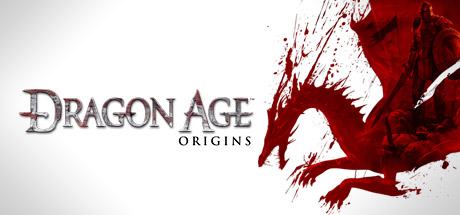
And Dragon Age: Origins—where legacy isn’t inherited, but forged in pause. Its description asks: “What will be said about the hero who turned the tide?” But the player review cuts deeper: “pause attack mechanic… help a lot to strategist your tactic.” That pause—the breath before choice, the stillness where loyalty crystallizes—is Iruma’s entire season. When the ring whispers, he doesn’t roar. He stops. Looks at Sullivan’s worried eyes, Clara’s tightened grip on her pen, Asmodeus pretending not to watch him—then chooses again, not as a weapon, but as a promise. Dragon Age’s tactical pauses aren’t about combat efficiency; they’re about honoring the weight of consequence, just as Iruma’s quietest moments carry the loudest love.
This pairing sings for the viewer who cries at grocery lists written in shared handwriting, who replays a character’s offhand “I brought extra” like a mantra, who needs stories where power isn’t domination but continual, gentle showing up. Not the hero who saves the world—but the one who remembers your favorite tea, translates your stammer into courage, and lets you sit beside them in silence while the whole underworld watches, waiting to see if kindness is contagious. Yes. It is. And it starts right here—in the steam, the pudding, the onigiri, the pause.
🎮17 Games That Match the Vibe







Match Dimensions Explained
❓Frequently Asked Questions
Why does Persona 5 Royal keep coming up in 'Games Like Welcome to Demon School! Iruma-kun Season 2' lists?
Because both lean hard into charismatic, morally gray teens navigating absurdly bureaucratic supernatural systems—think Iruma’s forced demon nobility vs. Joker’s Phantom Thieves operating under Tokyo’s rigid social hierarchy. The daily life rhythm (attending school, building Confidants/relationships, then diving into surreal dungeons like Mementos or the Demon King’s castle) mirrors Iruma’s dual life at Babyls perfectly.
Is there a video game adaptation of Welcome to Demon School! Iruma-kun Season 2?
No official game adaptation exists—neither for Season 1 nor Season 2. The closest you’ll get is how Persona 5 Royal and Jade Empire™: Special Edition channel its vibe: P5R nails the stylish rebellion and found-family energy (like Iruma, Clara, and Asmodeus), while Jade Empire mirrors the mythic school-as-kingdom structure and moral-choice weight (e.g., choosing Open Palm diplomacy over Closed Fist aggression feels like picking between Iruma’s kindness and Sullivan’s pragmatism).
Persona 5 Royal vs. Dragon Age: Origins—which one captures Iruma-kun’s tone better?
Persona 5 Royal wins on tone hands-down: its witty banter, visual flair (like Iruma’s sparkly ‘Demon King’ transformation scenes), and blend of classroom comedy with high-stakes heists (Phantom Thieves = Iruma’s chaotic class projects) match the anime’s energy. Dragon Age: Origins has emotional depth and party bonds (think Iruma & friends facing down bullies or demons), but its gritty, pause-heavy tactical combat and darker lore leans more toward *Demon King*’s serious stakes than its playful heart.
What’s the best game like Iruma-kun Season 2 if I just want that warm, chaotic friend-group + light fantasy school vibe?
Go straight to Persona 5 Royal—it’s got the tight-knit, sarcastic-but-devoted squad (Morgana as your snarky mascot = Naberius vibes), the school-day structure with meaningful hangouts (Confidants = bonding with classmates like Alice or Suzuki), and even dungeon aesthetics that echo Babyls’ magical classrooms. Jade Empire’s martial arts school setting hits some notes too, but P5R’s charm, humor, and relentless positivity—even during intense moments—best mirror Iruma’s 'kindness as power' ethos.