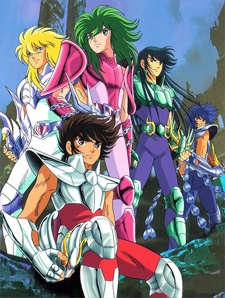
Saint Seiya: Knights of the Zodiac
📺Anime Details
📝Editorial Analysis
The first time Seiya’s Pegasus Comet Fist ignites—blue fire tearing through the pre-dawn mist of Galaxian Wars, his knuckles bleeding, breath ragged, eyes locked on a rival who’s already won—the air doesn’t just crackle. It shivers. Not with spectacle alone, but with the raw, trembling weight of a boy who has nothing—no family, no home, no god to answer his prayers—yet throws his body into the sky like a prayer anyway. That moment isn’t about winning. It’s about refusing to vanish.
What makes Saint Seiya: Knights of the Zodiac vibrate at this frequency isn’t its mythological scaffolding or its cosmic stakes—it’s the ache beneath the armor. This is urban fantasy forged in orphanages and alleyways, where constellations aren’t distant lights but inherited wounds; where “super power” means your blood boils because you’ve run out of reasons not to burn. It’s tragedy dressed in gold, astronomy measured in heartbeats, and every battle feels like a reckoning—not with gods, but with the silence left behind when love is taken too soon. You don’t watch it to escape. You watch it because it hurts right, and that hurt is strangely sacred.
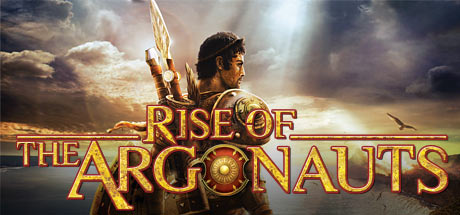
That same ache lives in Rise of the Argonauts, where Jason—King of Iolcus, groom on his wedding day—watches his fiancé die in front of him, then swears an oath so absolute it unravels kingdoms. The description names his loss, his vow, his descent into myth as a desperate act of restoration—not conquest. Like Seiya sprinting barefoot across Greece to find Saori Kido, Jason doesn’t seek glory; he seeks undoing. And the player review confirms it: “If you love games based on ancient history this one does it right…”, echoing how Saint Seiya treats Greek myth not as lore, but as emotional archaeology—digging up grief, loyalty, and sacrifice buried under centuries of marble and verse.
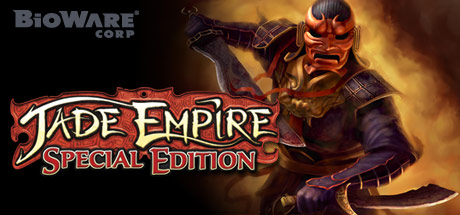
Then there’s Jade Empire™: Special Edition, where you step into the shoes of a martial-arts apprentice walking a path defined by choice—open palm or closed fist—not just in combat, but in morality, memory, and identity. Its description frames mastery as internal navigation, not external domination. The player review’s technical frustration (“I had to follow these instructions…”) almost mirrors Seiya’s early fights: brilliant intent hampered by flawed systems—bodies breaking, cloths tearing, cosmos misaligned—but the core remains intact: a young person learning, through pain and loyalty, what kind of soul they’ll become. Both root power in discipline and devotion, not just stats or stunts.
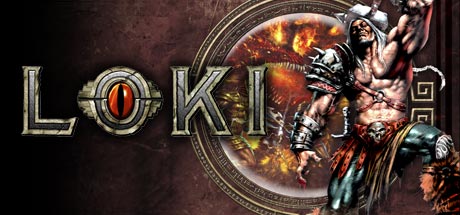
Even Loki, flawed as it is—glitch-ridden, anticlimactic, dismissed by its own reviewer as “nothing happens”—carries that same mythic yearning. Its description positions players as heroes “drawn from a different mythology”, each carrying ancestral weight into battle. Like Seiya wearing Pegasus Cloth not as costume but as covenant, Loki’s structure invites embodiment over escapism. The reviewer’s disappointment isn’t with the premise—it’s with execution failing the feeling: the hunger to stand before gods and say I am still here, even if the engine stutters mid-leap.
These aren’t pairings for fans of “cool fights” or “epic lore dumps”. They’re for the quiet ones who rewatch Seiya’s final stand against Saga—not for the explosion, but for how his voice cracks when he says “I’m not fighting for victory. I’m fighting so I can keep believing in you.” They’re for players who replay Rise of the Argonauts’ shipboard lullabies, or sit through Jade Empire’s rain-soaked monasteries just to feel the weight of a master’s silence. They’re the ones who understand that tragedy isn’t the end of the story—it’s the ground where faith gets planted, deep and stubborn, beneath cracked pavement and star-choked skies.
🎮9 Games That Match the Vibe

Match Dimensions Explained
❓Frequently Asked Questions
Why is Rise of the Argonauts listed as similar to Saint Seiya despite having no anime art style?
Because both lean hard into mythic heroism and over-the-top action spectacle—Rise lets you channel Jason’s rage-fueled quest with cinematic combat that mirrors Saint Seiya’s dramatic Cosmo-powered clashes, like when you unleash the ‘Golden Fleece’ ability mid-battle to stagger enemies just like Seiya’s Pegasus Ryu Sei Ken. Players who loved the emotional weight of Athena’s resurrection arc will feel that same drive in Jason’s desperate bid to revive Medea.
Is there a Saint Seiya mobile game or official adaptation I can play right now?
No official Saint Seiya mobile game exists—but if you’re craving that mythic, emotionally charged JRPG vibe with martial arts flair, Jade Empire™: Special Edition delivers it best: you train under masters like Master Li, choose between the Open Palm (compassion) or Closed Fist (power) paths, and face betrayals and revelations that echo Shaka’s trials or Ikki’s redemption arc. Just be ready to follow those Reddit-published Steam DLL workarounds—it’s worth it for the storytelling.
How does Loki compare to Rise of the Argonauts for Saint Seiya fans?
Rise wins on narrative cohesion and mythic gravitas—its Jason feels like a true Saint Seiya protagonist: wronged, driven, and visually exploding with divine power during boss fights like the Hydra encounter. Loki tries similar ground (Norse, Egyptian, Greek heroes), but its glitches, crash-prone engine, and anticlimactic ending—where your final battle resolves with zero payoff—undercut the emotional stakes Saint Seiya fans rely on.
What’s the best game like Saint Seiya if I want intense martial arts action *and* deep emotional storytelling?
Jade Empire™: Special Edition is your top pick—it blends kinetic kung fu combat (with real stance-switching and chi-based special moves) with layered character arcs that hit like Hyoga’s ice tragedy or Shun’s moral conflicts. The ‘Emotional Narrative’ and ‘JRPG Narrative’ dimensions are baked into every faction choice and companion relationship, especially in the late-game twist involving your master’s fate—no filler, just raw, resonant stakes.