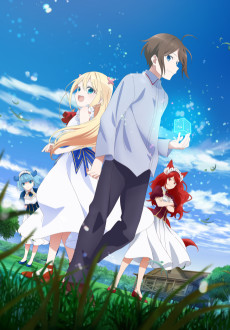
Am I Actually the Strongest?
📺Anime Details
📝Editorial Analysis
The first time Alma stumbles into the royal library’s forbidden wing—barefoot, hair tangled, clutching a half-eaten pastry—and accidentally vaporizes three enchanted grimoires with a sneeze, the screen doesn’t cut away. It holds. Her eyes widen—not in terror, but in dawning, flustered disbelief. No fanfare. No dramatic music swell. Just dust motes swirling in sunbeams, the faint smell of burnt parchment, and the quiet, absurd weight of power she didn’t ask for, didn’t train for, and still can’t quite believe is hers. That moment isn’t about strength—it’s about disorientation, the kind that settles deep in your ribs when reality rearranges itself without warning.
What makes Am I Actually the Strongest? vibrate at this particular frequency isn’t its hikikomori protagonist or kemonomimi cast—it’s how it treats rehabilitation not as a plot device, but as a lived, tender, often hilariously awkward rhythm. There’s no grand quest log ticking down. No “level up” fanfare when Alma finally ties her own shoes without help. Instead, there’s the slow, unglamorous recalibration of self-worth: learning to accept kindness without suspicion, trusting touch without flinching, speaking without rehearsing every syllable in her head. It’s quietly defiant—a fantasy where magic doesn’t erase trauma, but coexists with it, sometimes even amplifying the vulnerability of healing. You don’t feel triumphant watching Alma; you feel recognized, like someone finally noticed how exhausting it is to rebuild yourself while everyone else assumes you’re already whole.
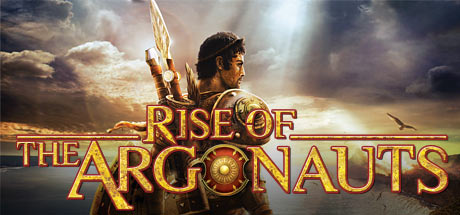
That same emotional texture echoes in Rise of the Argonauts, where Jason’s entire arc begins not with ambition, but with devastation—his fiancée murdered on their wedding day, his kingdom suddenly hollow. The player review calls it “right” for lovers of ancient history, but what resonates deeper is the emotional narrative buried in its mythic scaffolding: grief that reshapes identity, leadership forged not in confidence but in desperate, stumbling necessity. Like Alma, Jason isn’t chosen—he’s left standing, forced to navigate power he never sought, surrounded by people who expect him to be steady while he’s still learning how to breathe again.
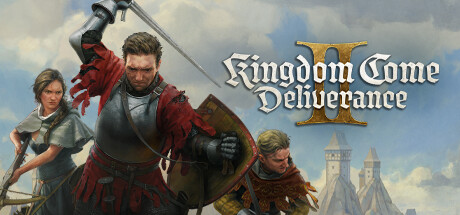
Then there’s Kingdom Come: Deliverance II, tagged explicitly as a Political Thriller and Emotional Narrative. Its realism—no mana bars, no quest markers—mirrors Alma’s world in how it refuses to simplify consequence. Every decision carries weight not because it changes the world map, but because it alters how others see you, how you see yourself. When Alma hesitates before accepting a formal title, or when she fumbles an apology to a servant she’s unintentionally offended, it lands with the same grounded gravity as Henry’s choices in Kingdom Come: small, human, irrevocable. Both treat dignity as something earned daily—not through spectacle, but through showing up, imperfectly, again and again.
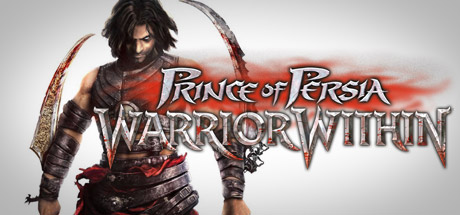
Even Prince of Persia: Warrior Within—with its relentless Dahaka chase—shares this DNA. The player review calls the pursuit “goated,” yes, but what lingers is the time & memory dimension: the Prince running from himself, haunted by past failures, his strength constantly undermined by guilt and exhaustion. Alma doesn’t flee a monster—but she does run from expectations, from her own potential, from the sheer dissonance of being seen as capable while feeling fundamentally unmoored. Both stories weaponize tension not through boss fights, but through the relentless pressure of becoming.
This pairing isn’t for fans of power fantasies who want catharsis in explosions. It’s for the person who replays Prince of Persia: Warrior Within after ten years because they remember how it felt to be hunted—not by demons, but by their own history. It’s for the viewer who watches Alma take her first unassisted step across the palace courtyard and feels their throat tighten—not because she’s strong, but because she’s trying, and trying is the bravest thing anyone ever does. It’s for those who know that real magic isn’t in spellcasting—it’s in the quiet, stubborn act of choosing to stay present, even when your own mind feels like unfamiliar territory.
🎮10 Games That Match the Vibe
Match Dimensions Explained
❓Frequently Asked Questions
Why does Am I Actually the Strongest? feel so different from Prince of Persia: Warrior Within despite both having time-manipulation and revenge themes?
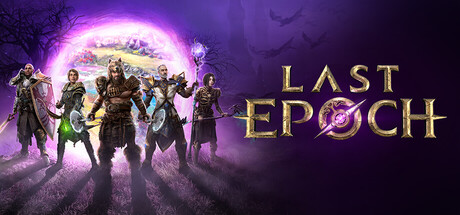
Great question — it’s all about *how* time functions. In Warrior Within, time is visceral and punishing: Dahaka’s relentless chase across crumbling timelines forces split-second platforming and brutal parry timing, especially in the Hourglass Chamber sequences. Am I Actually the Strongest? leans into comedic irony and narrative subversion instead — like when Muun defeats an entire army with a single ‘accidental’ sneeze — no time rewinds, just escalating absurd power fantasy. Last Epoch also plays with time (via Chronomancer class skill trees), but it’s systemic and build-driven, not story-critical like Warrior Within’s Dahaka mechanic.
Is there an anime adaptation of Am I Actually the Strongest? or something close to it?
No official anime adaptation yet — but Rise of the Argonauts nails that mythic, tragic-hero energy fans love. Jason’s vow to resurrect his murdered fiancée mirrors the protagonist’s obsessive drive for validation, and the game’s mythological tapestry (Norse, Greek, Egyptian gods) gives it that same over-the-top, lore-dense vibe you’d expect from a studio like MAPPA adapting Am I Actually the Strongest?. Plus, player reviews call it 'ancient history done right' — exactly the grounded-yet-epic tone that fits the source material’s blend of sincerity and satire.
What games like Am I Actually the Strongest? are best for when you want that smug, overpowered-but-self-aware vibe?
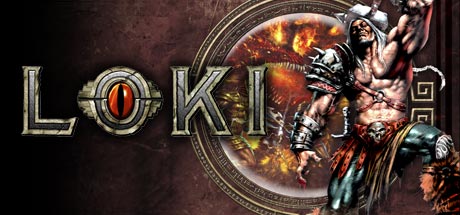
Loki is your go-to — especially playing as the Norse fighter who casually shatters divine artifacts while quipping about 'mid-tier gods'. It’s got that same tongue-in-cheek power fantasy: think Muun’s first dungeon clear vs. Loki’s boss fight where you literally punch a thunder god into submission — then get roasted by your own party for 'showboating'. The 77 Metacritic score reflects its charm, even if glitches drag it down (one reviewer called the ending 'anticlimactic', which honestly fits Am I Actually the Strongest?’s own tonal whiplash).
How accurate is the comparison between Am I Actually the Strongest? and Kingdom Come: Deliverance II?
Not very — they’re practically opposites in execution. Am I Actually the Strongest? is all about exaggerated, fourth-wall-breaking power escalation (like Muun accidentally becoming emperor after tripping into a throne room), while Kingdom Come: Deliverance II anchors itself in political realism and emotional nuance — think tense, dialogue-driven court intrigue where one misstep can unravel months of diplomacy. Its 71 score comes from that rich, grounded storytelling, not spectacle or wish-fulfillment. If you love the *satire* in Am I Actually the Strongest?, skip this — but if you crave depth behind the tropes, it’s worth the pivot.