
The Ones Within
Iride Akatsuki is a popular game footage uploader. He wakes up one day to find that he's been kidnapped and taken to a strange place, along with a number of other uploaders who specialize in different genres of games.
A mysterious alpaca-headed host gathers them after the initial stage, to explain how the game will proceed. Will the group of gamers clear the game and make it back to their real lives?
(Source: Kirei Cake)
📺Anime Details
📝Editorial Analysis
The fluorescent hum of a livestream studio—cold blue light on a keyboard, the faint echo of a laugh cut off mid-sentence—is gone. Instead: the silence after waking up strapped to a chair, blinking at an alpaca-headed figure whose smile doesn’t reach its hollow eyes. That’s the first breath of The Ones Within: not dread as spectacle, but dread as disorientation—the gut-lurch of realizing your identity as a creator, as a voice, as Iride Akatsuki, has been stripped and repackaged into a game mechanic.
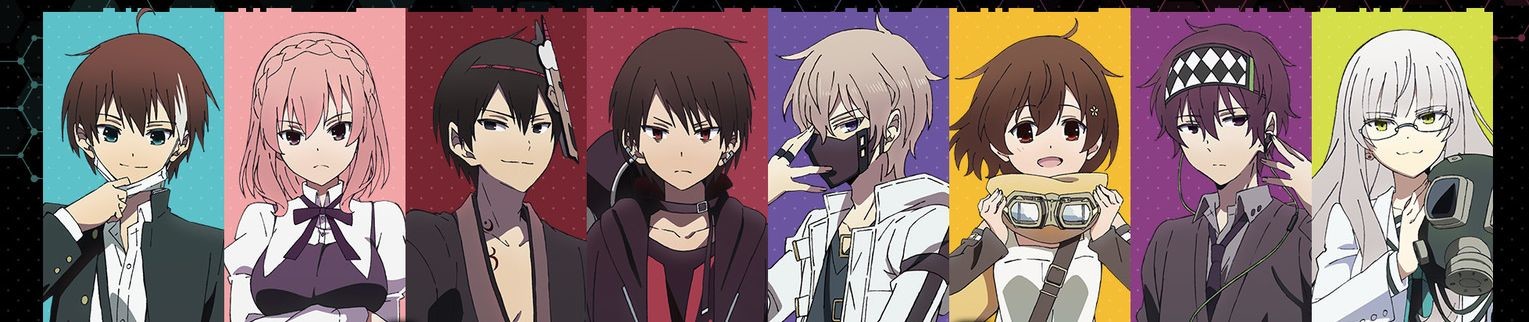
What makes The Ones Within vibrate with such uneasy intimacy isn’t its death-game premise—it’s how it treats performance as both armor and wound. These aren’t warriors or chosen ones; they’re uploaders—people who built selves through commentary, reaction, curated authenticity. Their virtual fluency is real, but their emotional literacy? Unrehearsed. The anime doesn’t ask can they survive? It asks what happens when the lens flips—and you’re no longer narrating the game, but being narrated by it? That creates a quiet, persistent ache: the fear that your most genuine self is also your most editable one. It’s vulnerable. It’s exposed. And beneath the comedy and tsundere banter, it pulses with something tenderly political—how identity, especially queer identity, gets flattened, gamified, or weaponized inside systems that reward legibility over truth.
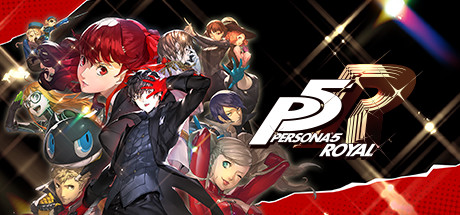
That emotional DNA thrums in Persona 5 Royal, where every social link is a slow, deliberate act of trust-building under surveillance—literally, with Confidants tracked like stats, and figuratively, with the Phantom Thieves broadcasting heists as performance art. The player review nails it: “The seamless transition between daily life…” — that’s the core tension. Just like Iride toggles between streaming persona and kidnapped reality, Joker toggles between schoolboy and rebel icon, each role demanding different emotional labor. Both works treat relationships as systems to navigate, not just backdrops—and romance isn’t escapism, but resistance practiced in small, coded ways.
Then there’s Disco Elysium - The Final Cut, where the city itself feels like a corrupted server—glitching ideologies, fragmented memories, dialogue trees that double as psychological triage. The player review’s line—“Capital has the ability to subsume all critiques into itself…”—lands like a punch. That’s the conspiracy in The Ones Within: not just “who kidnapped us?” but “why does this game need our specific kind of visibility?” Why uploaders? Why now? Like Disco Elysium’s detective, these characters aren’t solving a crime—they’re diagnosing a condition: how attention economies turn empathy into data, and people into avatars. The yandere’s fixation, the tsundere’s deflection—they’re not tropes here. They’re coping protocols. Survival syntax.
Even Dragon Age: Origins, with its pause-and-strategize combat and legacy-driven choices, echoes this. The review calls out the “pause attack mechanic… help a lot to strategist your tactic”—and that’s precisely how The Ones Within frames emotional stakes: as real-time tactical decisions. When a character deflects with humor or withdraws with silence, it’s not avoidance—it’s recalibration. Like pausing mid-battle to reassign party roles, these moments are deliberate, weighted, deeply human. The JRPG narrative dimension isn’t about epic lore—it’s about how choice accrues meaning across time, how a glance, a withheld confession, a gamble made in panic, becomes part of your character’s irreversible save file.
This pairing sings for the viewer who’s ever muted their mic mid-stream because their voice cracked—and then kept talking anyway. For the player who’s spent hours in a rainy alley in Dispo Elysium just to hear a side character sigh, or who’s replayed a Persona 5 Confidant route not for max stats, but to hear that one line again—the one that felt like being seen. Not as a trope. Not as content. But as someone who’s tired, clever, scared, and still showing up—controller in hand, headset on, heart quietly, fiercely online.
🎮8 Games That Match the Vibe


Match Dimensions Explained
❓Frequently Asked Questions
Why is Persona 5 Royal always recommended for fans of The Ones Within?
Because both lean hard into stylish, emotionally charged JRPG storytelling where your relationships literally reshape the narrative—like how Persona 5’s Confidants unlock new combat abilities and story branches, mirroring The Ones Within’s intimacy-driven progression. Plus, that killer jazz-funk soundtrack and Tokyo exploration vibe? Pure tonal kinship with The Ones Within’s moody, character-first pacing.
Is there a Disco Elysium anime or movie adaptation in the works?
No official anime or film adaptation exists—just like The Ones Within, Disco Elysium remains firmly rooted in its interactive, text-driven medium. Its dense political philosophy (like that haunting ‘capital subsumes critique’ line from the review) and branching dialogue rely entirely on player choice, making it notoriously hard to adapt faithfully outside of games.
How does Dragon Age: Origins compare to Jade Empire in terms of romance and narrative depth?
Both nail the Romance & Shoujo + JRPG Narrative combo, but Dragon Age: Origins leans darker and more consequential—your romances with Morrigan or Alistair directly impact major plot beats and endings, while Jade Empire’s love interests (like Dawn Star or Silk Fox) unfold through martial-arts-driven choices (Open Palm vs. Closed Fist). And yeah, DA:O’s pause-and-attack combat gives you way more tactical breathing room than Jade Empire’s real-time brawling.
What’s the best game like The Ones Within if I want something melancholic but beautiful, with strong emotional bonds?
Go straight to Persona 5 Royal—it’s got that same ache-of-growing-up vibe, especially in scenes like Ann’s Confidant arc where vulnerability and trust literally fuse new Personas. The soundtrack swells at just the right moments, and building bonds with Ryuji or Makoto feels as tender and weighty as any relationship in The Ones Within—no filler, all heart.