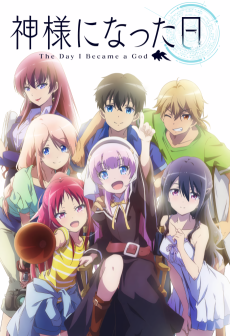
The Day I Became a God
Youta Narukami is a student focused only on his college entrance exams. During his last summer break of high school, he is approached by a girl named Hina who says she is the god of omniscience. She tells him that in thirty days, the world will end. At first Youta doesn't believe her, but after she demonstrates supernatural predictive abilities, he becomes convinced her power is genuine. Hina, meanwhile, decides for some reason to stay at his house, and they begin a tumultuous vacation facing the end of the world together.
(Source: Anime News Network)
Note: The first episode received an early screening on October 3rd, 2020. The regular TV broadcast started on October 11th, 2020.
📺Anime Details
📝Editorial Analysis
The smell of burnt toast lingers in the air—Youta’s third attempt that morning—while Hina sits cross-legged on the floor, calmly reciting the exact time the smoke alarm will blare before the timer goes off. Not with fanfare, not with thunder, but like checking the weather: quiet, inevitable, and utterly disarming. That split second—where absurdity and dread fold into each other like origami—is where The Day I Became a God lives.
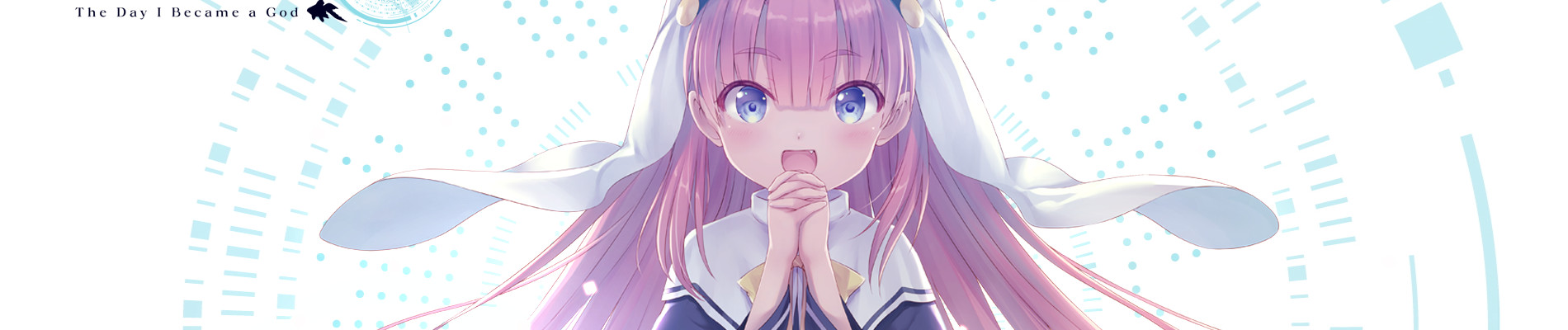
It doesn’t feel like a sci-fi apocalypse story. It feels like waiting. Waiting for a test you haven’t studied for. Waiting for a diagnosis no one will name. Waiting while someone you barely know hums off-key in your kitchen, rearranging your life like it’s already hers—not out of arrogance, but because she’s forgotten how else to hold space in a world that’s already slipping. There’s no grand villain, no cosmic battle—just thirty days measured in shared meals, awkward silences, and the slow, unglamorous work of rehabilitation: not just physical, but emotional, relational, existential. The weight isn’t in the end of the world—it’s in the unbearable lightness of being seen, truly seen, by someone who claims to know everything… yet chooses to stay, to stumble, to misplace her sandals, to laugh too loud at Youta’s terrible jokes. It makes you ache—not for spectacle, but for tenderness, for the fragile, daily courage of showing up when nothing is guaranteed.
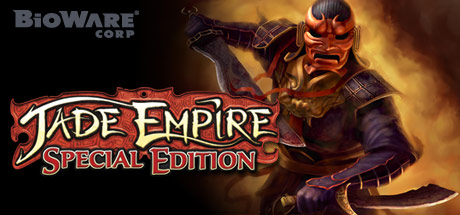
That emotional DNA pulses in Jade Empire™: Special Edition, where myth isn’t carved in stone temples but breathed into choices: open palm or closed fist, mercy or mastery, belief as practice rather than dogma. Like Hina’s godhood—unproven, unceremonious, worn like a slightly-too-big coat—the game’s divinity is intimate, embodied, human-scaled. Its “Emotional Narrative” dimension mirrors the anime’s refusal to separate the sacred from the mundane: a healing ritual feels as consequential as a duel; a quiet conversation in a bamboo grove carries more gravity than any celestial decree. And just as Hina’s omniscience never absolves her of loneliness—or Youta of his fear—the game’s mythology lands not through exposition, but through consequence: every choice reshapes not just fate, but how you carry yourself in the world afterward. It’s not about power—it’s about presence, and the quiet cost of staying present.
Then there’s Strong Bad's Cool Game for Attractive People: Season 1, a title that shouldn’t belong here—until you remember Hina’s slapstick pratfalls down Youta’s narrow staircase, or the way she weaponizes bad puns to deflect real questions about her past. Its “Comedy & Parody” dimension isn’t just jokes—it’s armor. Like Hina’s god-act, Strong Bad’s entire persona is a performance calibrated to keep vulnerability at arm’s length. The player review’s wistful hope for a remake—“I hope Skunkape considers bringing this game back next…”—echoes the anime’s central ache: the longing to revisit, to reframe, to reclaim time before it runs out. Both works treat absurdity not as escape, but as translation—a way to say, I’m terrified, so let me make you snort-laugh instead. The comedy isn’t decoration; it’s the tremor in the voice before the confession.
Neither game matches on plot or setting. They match on texture: the way grief wears sweatpants. The way hope shows up wearing mismatched socks. The way belief isn’t declared—it’s practiced, day after day, in small, stubborn acts: filming a short film about ordinary people, choosing open palm over closed fist, letting a stranger sleep on your couch for thirty nights.
This pairing sings for the person who watches Hina fold laundry and feels their throat tighten—not because she’s divine, but because she folds so carefully, like each sock is a vow. For the player who replays Jade Empire’s final dialogue not for lore, but to hear that one line again: “You are enough.” For the one who still has Strong Bad’s email archive saved, not for the jokes, but because his chaotic energy made loneliness feel less like isolation and more like shared, ridiculous, alive company. These aren’t stories about saving the world. They’re about learning, slowly, how to hold your own heart—gently, honestly, without flinching—while the clock ticks down to something unnamed.
🎮6 Games That Match the Vibe


Match Dimensions Explained
❓Frequently Asked Questions
Why is Jade Empire listed as similar to The Day I Became a God?
Because both lean hard into emotional, character-driven storytelling rooted in rich mythology—Jade Empire’s ‘open palm vs. closed fist’ moral path mirrors how The Day I Became a God explores destiny and responsibility through Youta’s bond with Hina. You’ll feel that same weighty, intimate vibe during quiet temple scenes or pivotal choices that reshape relationships.
Is there an anime or visual novel adaptation of The Day I Became a God?
No official anime or visual novel adaptation exists—but fans often reach for Strong Bad’s Cool Game for Attractive People when craving that same blend of heartfelt moments and offbeat, fourth-wall-bending comedy. It’s not a direct match, but the way Strong Bad breaks character mid-episode (like when he pauses to critique his own dialogue) echoes Hina’s playful yet profound interruptions of reality.
How does Jade Empire compare to Strong Bad’s Cool Game for Attractive People for someone who loves The Day I Became a God?
Jade Empire delivers the mythic gravitas and emotional stakes you love—think Hina’s divine presence meets the Spirit Monk’s quiet resolve—while Strong Bad’s game swaps solemnity for absurdist charm, like if Hina hosted a chaotic, self-aware variety show instead of a godly intervention. One satisfies your need for depth, the other for whimsical relief.
What’s the best game like The Day I Became a God if I’m in the mood for something heartfelt but grounded in folklore?
Jade Empire™: Special Edition is your top pick—it’s built on Chinese-inspired mythology, with choices that ripple through relationships just like Youta’s decisions shape Hina’s influence on his world. That moment where you choose to spare or confront a fallen mentor? It hits with the same quiet intensity as Hina’s final test in the shrine.