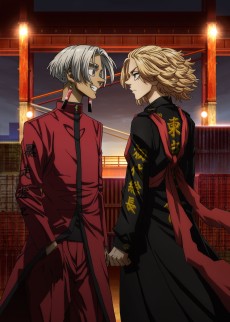
Tokyo Revengers Season 2 Part 2
Adaptation of the Tenjiku Arc.
With a future where Toman has been destroyed by Mikey's twisted ideas and Takemichi returning to the past, he decides to become stronger in order to stop Kisaki's plans. On one side, a mysterious gang from Yokohama known as Tenjiku begins to overthrow all the Toman divisions, deciding to destroy all the gangs in Japan, becoming the most powerful and unique.
Kisaki has been planning something for his purposes against Toman, now that he is banned.
📺Anime Details
📝Editorial Analysis
Rain lashes the cracked asphalt of Shibuya Crossing—not gently, not atmospherically, but violently, like the city itself is holding its breath before shattering. Takemichi stands alone under a flickering neon sign, knuckles split and bleeding, breath ragged, staring at the silhouette of Mikey stepping into the shadows of an alley—not as the sunlit leader he once knew, but as something hollowed out by grief and Kisaki’s poison. That moment isn’t about fists or fury. It’s the quiet horror of watching someone you love become unrecognizable—not through malice, but through slow, suffocating erosion. That’s the core ache of Tokyo Revengers Season 2 Part 2: the unbearable weight of almost knowing how to save someone—and still failing.
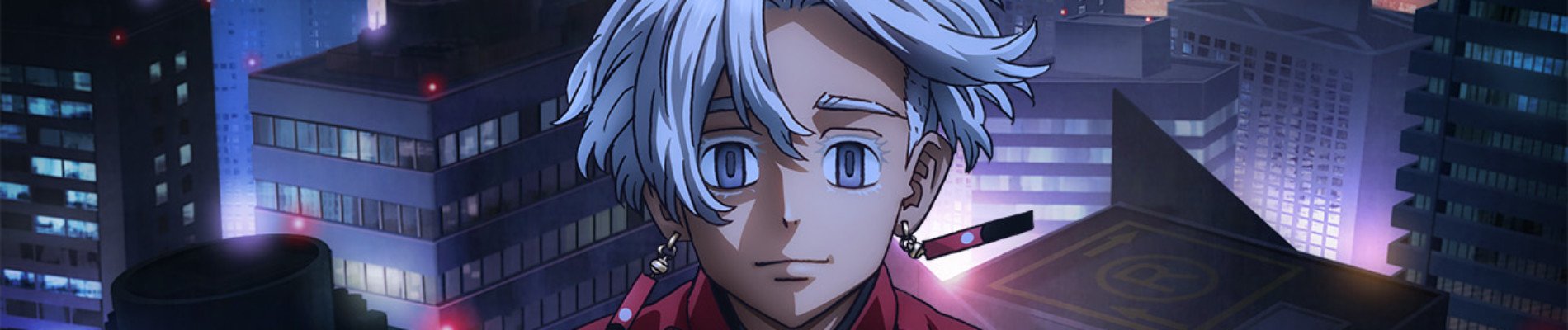
What makes this arc vibrate with such raw tension isn’t just time travel or gang warfare—it’s the claustrophobia of care. Every decision Takemichi makes is filtered through devotion so fierce it borders on self-annihilation. He trains until his body gives out not for glory, but because failing feels like betrayal. The Tenjiku Arc doesn’t glorify strength—it dissects what happens when loyalty curdles into obsession, when brotherhood becomes a cage, and when love is weaponized by silence. You don’t watch it for catharsis. You watch it for the thrumming dread that comes from recognizing how easily kindness can be misread, how quickly trust can calcify into control. It’s teenage tragedy stripped of melodrama—just sweat, blood, and the terrible clarity of hindsight.
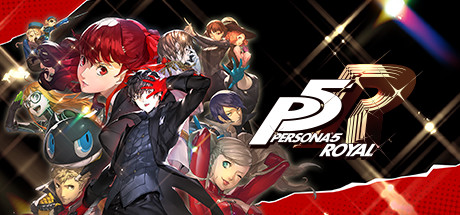
That same emotional DNA pulses in Persona 5 Royal. Its description names “building relations” and “exploring Tokyo”—but the player review nails it: “The seamless transition between daily life…” That’s the resonance. Like Takemichi juggling school, training, and fractured friendships while the future collapses around him, Joker lives in that same liminal space—attending class, cooking dinner, studying for exams—all while carrying the psychic weight of saving souls. The stunning soundtrack doesn’t just accompany action; it underscores the loneliness beneath routine, the way a saxophone solo can feel like a confession no one hears. Both works treat ordinary moments—walking home, sharing bento, lying on a rooftop—as sacred ground where character unravels.
Then there’s Jade Empire™: Special Edition, whose description casts you as “an aspiring martial-arts master” walking “the path of the open palm or the closed fist.” Not good vs. evil—but intention vs. outcome. That mirrors the Tenjiku Arc’s moral vertigo: Kisaki isn’t cartoonishly villainous; he’s a strategist who believes destruction is purification. Mikey isn’t corrupted—he’s grieving so deeply he stops feeling anything but duty. The player review’s odd technical footnote—“copy and paste steam.dll”—ironically echoes the anime’s own fragmented reality: both demand you patch together meaning from broken systems, trusting intuition over instruction. In both, mastery isn’t about landing the perfect strike—it’s about choosing how to hold your hand when the world insists on violence.
And Dragon Age: Origins? Its description asks: “What will be said about the hero who turned the tide?”—a question that haunts Takemichi every time he resets. The player review calls out the pause attack mechanic, praising how it “help[s] a lot to strategize your tactic.” That’s not just gameplay—it’s emotional calculus. Every paused moment in Dragon Age mirrors Takemichi’s internal freeze-frame: weighing who to save, who to sacrifice, whether mercy is courage or cowardice. The Fifth Blight isn’t fought with brute force alone—it’s navigated through conversations that fracture alliances, romances that deepen wounds, and choices where “right” bleeds into gray. Just like Toman’s collapse isn’t caused by one betrayal, but by dozens of unspoken fears stacking up like bricks in a wall no one notices being built.
This pairing isn’t for fans of slick power-ups or clean victories. It’s for the ones who replay a conversation in their head for weeks, who remember how a friend’s voice changed just before everything fell apart, who understand that the most devastating fights happen in silence—in the space between a held breath and a dropped gaze. It’s for people who’ve ever loved someone so hard they forgot how to ask for help—and who recognize that kind of love, raw and reckless and real, in the rain-slicked alleys of Shibuya and the candlelit halls of Ferelden.
🎮19 Games That Match the Vibe







Match Dimensions Explained
❓Frequently Asked Questions
Why does Persona 5 Royal keep coming up in Tokyo Revengers Season 2 Part 2 game recommendations?
Because both lean hard into teenage rebellion, emotional betrayal arcs, and high-stakes time-based consequences—like Takemichi’s desperate rewinds mirroring Joker’s 'Change Your Heart' heists. Persona 5 Royal nails that same blend of stylish Tokyo exploration, intense friendship-building (think Ann/Takemichi loyalty parallels), and morally gray choices with real narrative weight—plus its 76 Metacritic score reflects how well it delivers that urgent, emotionally charged JRPG narrative vibe.
Is there a Tokyo Revengers game adaptation for Season 2 Part 2?
No official Tokyo Revengers game exists—especially not one covering Season 2 Part 2. That’s why fans turn to narrative-driven JRPGs like Dragon Age: Origins (72 Metacritic) instead: its pause-and-plan combat mirrors the tactical tension of gang standoffs, and its legacy-defining choices echo Takemichi’s constant 'what if I’d acted differently?' moments—just without anime license baggage.
Persona 5 Royal vs. Jade Empire: which feels more like Tokyo Revengers’ emotional intensity?
Persona 5 Royal wins on raw emotional intensity—it’s got the school-life pressure, fraught confidant relationships (like Ryuji’s loyalty arc echoing Draken’s bond), and that pulsing, urgent soundtrack matching Season 2 Part 2’s climax energy. Jade Empire (72 Metacritic) is deeply atmospheric and story-rich, but its martial-arts mysticism and slower pacing lack the modern Tokyo teen angst and time-pressure stakes that define Tokyo Revengers’ core vibe.
What’s the best game like Tokyo Revengers Season 2 Part 2 if I want that ‘desperate last-chance’ mood?
Dragon Age: Origins is your best bet—the pause-attack mechanic lets you freeze chaos mid-battle (like Takemichi freezing time before a fatal punch), and its Fifth Blight storyline drips with 'last stand' urgency, moral sacrifice, and found-family loyalty—exactly like Takemichi rallying the Toman crew against Kisaki’s empire. Its 72 Metacritic score and player praise for 'strategist your tactic' under pressure confirm it nails that desperate, high-stakes vibe.