
Happy Sugar Life
Satou Matsuzaka is a beautiful high schooler who has a reputation for being permissive with men. However, a chance encounter with a young girl named Shio Koube makes Satou realize that this is her first and only true feeling of love. Telling others that she lives with her aunt, Satou secretly shares an apartment with Shio. Despite her innocent appearance, Satou is willing to do anything to protect her beloved, resorting to desperate measures to ensure that their "happy sugar life" remains intact.
(Source: MAL Rewrite)
📺Anime Details
📝Editorial Analysis
The fluorescent hum of a Tokyo apartment hallway—thin walls, muffled bass from a neighbor’s speaker, the faint metallic tang of old plumbing—then the click of a door closing. Inside, Satou Matsuzaka kneels on the floor, back straight, hands folded in her lap, smiling softly at Shio as she pours tea into two tiny cups. Her expression is serene. Her knuckles are raw and scabbed from last night’s struggle in the stairwell. That dissonance—the quiet domesticity layered over unspoken violence—is where Happy Sugar Life lives. Not in gore, not in screams, but in the unbearable weight of a smile held too long.
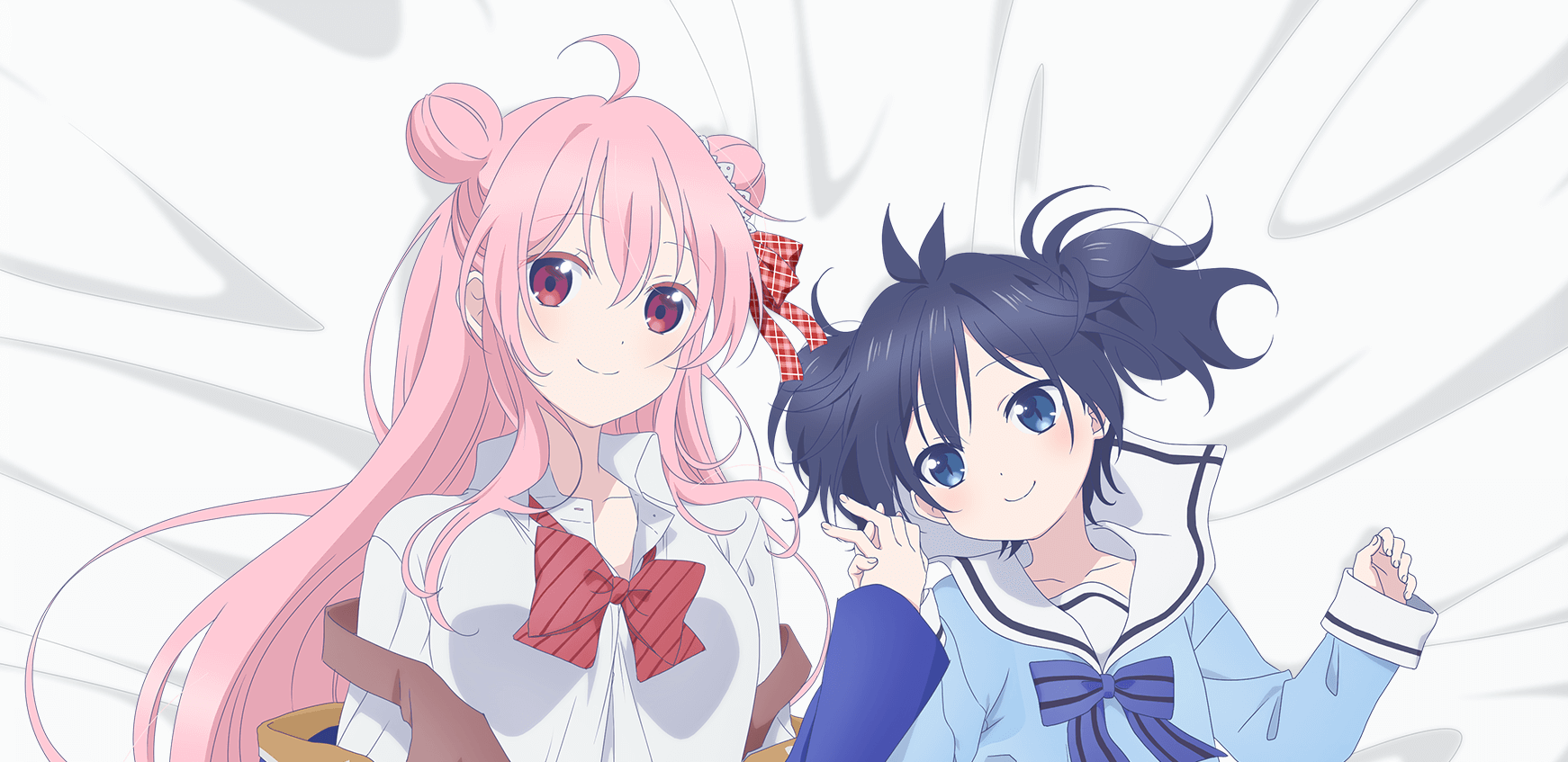
What makes it ache isn’t its yandere label or crime tag—it’s the intimacy of collapse. This is horror that breathes through shared toothbrushes and mismatched socks left on the bathroom floor. It’s psychological not because of mind games, but because every tender gesture—Satou braiding Shio’s hair, humming off-key while folding laundry—carries the quiet dread of fracture. You don’t fear what might happen to them. You fear what Satou might do for them. The urban setting isn’t backdrop; it’s complicit—the city’s indifference amplifies the suffocation of their sealed world. You think about love as architecture: how much distortion it tolerates before the foundation cracks, how easily devotion curdles into possession when there’s no mirror to reflect back your own unraveling.
That same emotional DNA pulses in Dragon Age: Origins, where player reviews praise its “great” story and “pause attack mechanic” that lets you strategize your tactic—a chilling parallel. Satou doesn’t lunge blindly; she calculates, isolates, waits. Like a Warden assessing threat vectors before a darkspawn ambush, she maps exits, alibis, emotional vulnerabilities. Her love isn’t impulsive—it’s tactical, coldly optimized for survival. And just as Dragon Age’s legacy hinges on choices that haunt long after the fade, Happy Sugar Life’s tragedy lives in the irreversible weight of each decision made behind closed doors—no save file, no reload.
Then there’s Disco Elysium - The Final Cut, whose description names it a “groundbreaking role playing game” where you “carve your path across” a city with “unforgettable” characters—and whose review drops a line like “Capital has the ability to subsume all critiques into itself.” That’s the show’s quiet horror: Satou doesn’t rebel against systems; she internalizes them so completely that her love becomes its own oppressive economy—Shio is currency, home is ledger, affection is transaction. There’s no grand ideology, only the neon-noir logic of self-made rules in a world that stopped watching. Both refuse catharsis. Both let you sit with the rot—not as spectacle, but as atmosphere.
And Persona 5 Royal, with its “stunning soundtrack” and “seamless transition between daily life” and heists, mirrors the anime’s rhythm of duality. Satou’s school life—flirting, laughing, adjusting her skirt—isn’t a mask. It’s part of the operation. Like Joker balancing exams and Palace invasions, she toggles between roles with eerie fluency. The “romance & shoujo” dimension here isn’t about sweetness—it’s about the performance of connection, the way intimacy becomes choreography when stakes are existential. Even the “party customization” echoes Satou’s obsessive curation of their private world: every object, every routine, every lie is selected, polished, placed.
This isn’t for fans of tidy moral binaries. It’s for the person who watches Happy Sugar Life and feels their chest tighten not at the blood, but at the way Satou’s voice softens when she says “We’re happy, right?”—knowing the question isn’t rhetorical. It’s for the player who pauses Dragon Age: Origins mid-battle not to optimize damage, but to stare at Alistair’s tired eyes and wonder what kindness costs in this world. For the one who replays Disco Elysium’s dialogue trees not for better outcomes, but to hear again how broken a soul sounds when it tries to name its own grief. For the one who walks Shinjuku Station in Persona 5 Royal, headphones on, heart pounding—not from combat music, but from the terrifying, beautiful fragility of choosing to care in a system built to grind care into dust. These aren’t stories about saving the world. They’re about what happens when someone tries, desperately, to save one thing—and finds the cost written in the silence between heartbeats.
🎮24 Games That Match the Vibe














Match Dimensions Explained
❓Frequently Asked Questions
Why is Dragon Age: Origins listed as similar to Happy Sugar Life when it's about darkspawn, not psychological romance?
Great question—it’s the 'Adult & Dark Seinen' and 'Emotional Narrative' dimensions that line up. Like Happy Sugar Life, Origins forces you into morally gray choices with lasting emotional weight—think Morrigan’s ritual or the Dalish elf origin’s gut-wrenching betrayal scene. Plus, its pause-and-plan combat mirrors how Happy Sugar Life lingers on tense, intimate moments before they snap.
Is there a Happy Sugar Life visual novel adaptation or game remake?
No—there’s no official Happy Sugar Life game or VN adaptation. The closest *actual games* that match its vibe are titles like Persona 5 Royal (with its obsessive romantic tension, Ann Takamaki’s conflicted arc, and surreal Palace dungeons reflecting warped psychology) and Disco Elysium (where your detective’s deteriorating mind echoes Satō’s unraveling in tone and neon-noir dread).
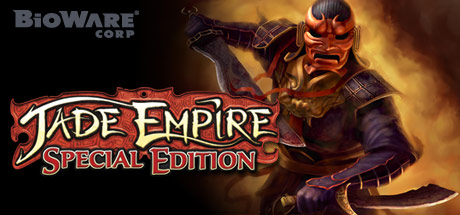
How does Jade Empire compare to Persona 5 Royal for fans of Happy Sugar Life’s emotional intensity?
Jade Empire leans harder into tragic romance and moral duality—like choosing between the Open Palm (compassion) or Closed Fist (control), echoing Satō’s twisted devotion vs. reality. Persona 5 Royal delivers sharper modern teen angst and stylish, time-pressured relationship building (e.g., Futaba’s trust arc), but Jade Empire’s martial-arts worldbuilding and melancholic love triangle with Master Li hit that same emotionally raw, ‘beautifully broken’ note.
What’s the best game like Happy Sugar Life if I want that slow-burn, unsettling intimacy vibe?
Disco Elysium — hands down. Its entire structure is built around obsessive internal monologue, unreliable perception, and relationships that blur care and control (like your fraught bond with Kim Kitsuragi or the haunting, fragmented memories of your past self). The neon-noir aesthetic and constant sense of psychological erosion—plus lines like 'Capital has the ability to subsume all critiques...'—mirror Happy Sugar Life’s suffocating, poetic unease far more than any combat-heavy RPG.