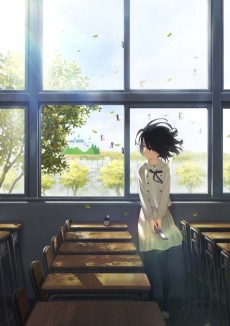
The Anthem of the Heart
Jun is a girl whose words have been sealed away. She was once a very happy girl, but because of a certain thing she said when she was very young, her family was torn apart. One day, the egg fairy appeared in front of her and sealed away her ability to talk in order to stop her from hurting anybody else. Since this traumatic experience, Jun lives in the shadows away from the limelight. But, one day, she is nominated to become an executive member of the "community outreach council." On top of that, Jun is also appointed to play the main lead in their musical...
(Source: Official website)
📺Anime Details
📝Editorial Analysis
The silence isn’t empty. It’s thick—like breath held too long in a sunlit classroom, dust motes suspended mid-air as Jun sits frozen at her desk, fingers curled tight around a pencil she won’t use to write the line the teacher just asked for. Her mouth stays closed. Not from shyness, not from defiance—but from obedience to a fairy who sealed her voice after one sentence shattered her family. That silence isn’t absence. It’s weight. It’s the hum of a stage light warming up before anyone steps into its glare.
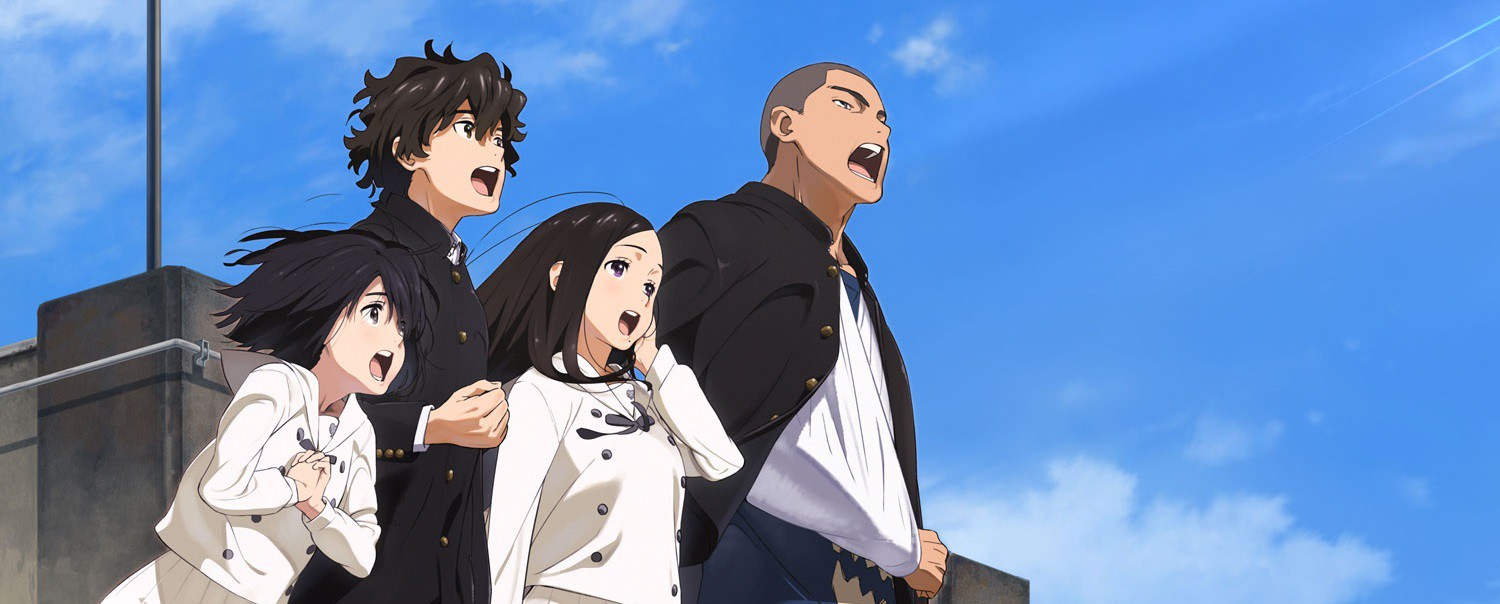
What makes The Anthem of the Heart ache so precisely is how it treats silence not as emptiness but as architecture—a structure Jun lives inside, brick by fragile brick. This isn’t trauma as spectacle; it’s trauma as daily weather: the way she flinches when someone leans in too close, how her eyes dart away during group rehearsal, how music becomes the only language that doesn’t betray her. The atmosphere isn’t melancholy—it’s tender vigilance. Every glance exchanged, every hand hesitantly extended, every note sung off-key in the school auditorium feels like a tiny act of rebellion against the story she’s been forced to live. You don’t watch it hoping for catharsis—you watch it holding your breath, wondering if she’ll exhale with someone else, not just for them.
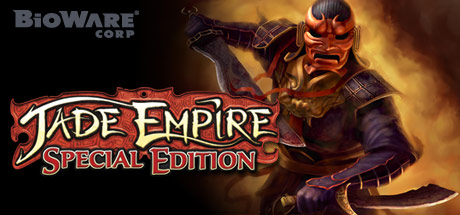
That same emotional architecture echoes in Jade Empire™: Special Edition, where identity is forged through choice—not just between open palm and closed fist, but between who you were told to be and who you risk becoming. The description calls it a martial-arts journey, but the player review hints at something deeper: the need to follow instructions just to launch—the very act of booting the game mirrors Jun’s own ritualized caution. Both ask: what do you sacrifice to speak your truth in a world that punished you for speaking at all? And Persona 5 Royal, with its “seamless transition between daily life” and “stunning soundtrack,” mirrors the anime’s rhythm—where school days pulse with quiet tension and music swells not as background, but as embodied release. Its player review praises the soundtrack first, just as Jun’s voice returns not through speech, but through song—melody as reclamation.
Even Dragon Age: Origins, buried under tactical jargon in its description (“pause attack mechanic… strategist your tactic”), carries that same buried urgency. The player review’s fragmented phrasing—“done finish play this on my deck. have fun with it.”—feels like Jun’s own halting self-expression: meaning there, just barely contained, waiting for the right context to land. Like Jun, the Warden doesn’t begin as a legend—they begin as someone trying to hold themselves together while the world demands they save it. Their silence isn’t literal, but it’s functional: moments of withheld confession, deferred intimacy, unspoken grief—all held in reserve until trust earns the right to break them open.
None of these games are about grand battles alone. They’re about the interior logistics of healing: how love forms in the cracks of duty (Dragon Age), how power gets redefined through vulnerability (Jade Empire), how rhythm and routine become scaffolding for return (Persona 5 Royal). They share The Anthem of the Heart’s refusal to treat recovery as linear—or loud. Healing here is a whispered lyric, a delayed pause in combat, a choice deferred then honored, a fairy’s curse slowly rewritten by presence, not pronouncement.
This pairing speaks directly to the viewer who’s ever sat in a crowded room feeling alone in their sincerity, or the player who saves before every dialogue choice—not out of fear of failure, but reverence for consequence. It’s for the ones who recognize courage not in shouting, but in showing up quietly, again and again, with a notebook instead of a sword, a microphone instead of a spellbook, a half-sung note instead of a full confession. They don’t want heroes who conquer—they want hearts that remember how to beat in time with another’s.
🎮23 Games That Match the Vibe
















Match Dimensions Explained
❓Frequently Asked Questions
Why is Jade Empire listed as similar to The Anthem of the Heart when it’s a martial arts RPG and not a romance visual novel?
Great question—it’s all about that shared emotional core and shoujo-tinged romance under adult, sometimes dark storytelling. Like in The Anthem of the Heart, Jade Empire lets you build deep, nuanced bonds (think Li Xiao or Dawn Star) where dialogue choices shape intimacy and consequences—not just flirty banter, but real vulnerability amid weighty themes like identity and sacrifice. Plus, its 'open palm vs. closed fist' moral path mirrors the film’s tension between speaking your truth and staying silent for others’ sake.
Is there a visual novel adaptation of The Anthem of the Heart, or are games like Dragon Age: Origins the closest we’ll get?
No official visual novel adaptation exists—but Dragon Age: Origins comes surprisingly close in spirit. Its pause-and-play tactical combat isn’t flashy, but it *forces* reflection—like pausing mid-battle to choose how Alistair reacts to a betrayal, echoing the film’s quiet, loaded silences. And characters like Morrigan or Leliana offer layered, emotionally resonant arcs where love feels earned, fragile, and deeply human—just like Jun’s journey to find her voice.
How does Persona 5 Royal compare to The Anthem of the Heart in terms of emotional pacing and character growth?
Both use time-limited daily rhythms to make growth feel earned—Persona 5’s calendar system means you literally *wait* to deepen bonds with Ann or Ryuji, mirroring how Jun’s friendships unfold slowly across school years. That ‘seamless transition between daily life and emotional stakes’ (per the player review) hits the same tender, bittersweet note as the film: quiet confessions in empty classrooms, late-night confessions in Shibuya alleyways, and the way music swells during those small, seismic moments of courage.
What’s the best game like The Anthem of the Heart if I want that melancholy-but-hopeful Tokyo high-school vibe with strong emotional payoff?
Persona 5 Royal is your top pick—no contest. It nails the Tokyo setting (Shibuya Crossing, Leblanc café, rainy train platforms), layers in that exact melancholy-but-hopeful tone through its jazz-funk soundtrack and soft-spoken confessions, and gives you real agency in building relationships that evolve meaningfully over time—like helping Ann confront her trauma or watching Ryuji’s bravado soften into quiet loyalty. It’s not anime-fluffy; it’s warm, wounded, and ultimately uplifting—just like Jun’s story.