
Ghost Hound
In an isolated region of Kyushu lies the town of Suiten. Though seeming small and modest, Suiten is not a picturesque place for a vacation, unless it is from the "Unseen World". Taro, Makoto and Masayuki, three boys with traumatic pasts, learn to let their souls cross between the two parallel worlds. However, the Unseen World is no mere copy of the real Apparent World. The Unseen World is the home of ghosts, but changes are now allowing the souls of the dead to pass over into the Apparent World, with unpredictable effects. Follow the journey of Taro, Makoto and Masayuki, as they cross between the two worlds, trying to unravel a great mystery.
(Source: Sentai Filmworks)
📺Anime Details
📝Editorial Analysis
The air in Suiten doesn’t just feel still—it holds its breath. Not in suspense, but in quiet, exhausted suspension: the low hum of cicadas thick as wool, the damp chill clinging to concrete school corridors long after class ends, the way Taro’s fingers tremble—not from fear, but from the sheer weight of remembering something his body refuses to name. That trembling isn’t dramatic; it’s internal, almost silent—like watching a teacup vibrate on a table seconds before the tremor reaches the floor.
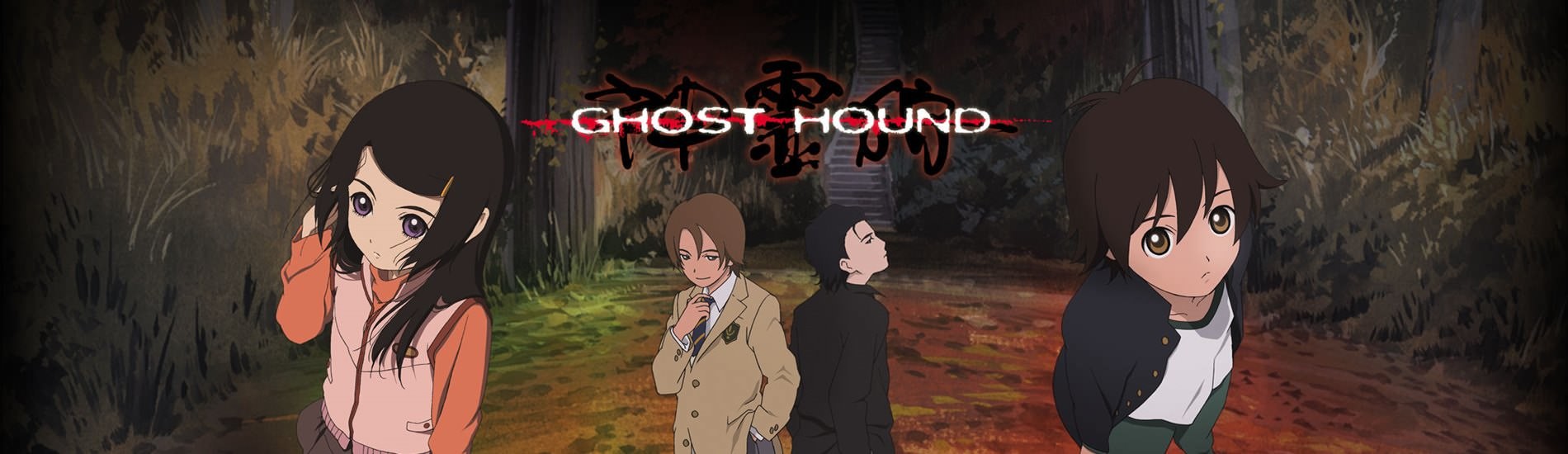
What makes Ghost Hound unlike anything else isn’t its ghosts or its parallel worlds—it’s how deeply it treats trauma not as plot fuel, but as atmosphere. The Unseen World isn’t a place you enter for answers; it’s a mirror that reflects what the Apparent World has buried: dissociation as weather, memory as topography, grief as geography. You don’t solve the mystery—you learn to walk beside it, slowly, without looking away. It makes you feel tired, yes—but also tender, like holding something fragile that’s been broken and reassembled with glue and silence. There’s no catharsis promised, only the slow, unglamorous work of rehabilitation—not of the mind alone, but of attention itself. Watching it feels like sitting with someone who’s just whispered something unbearable—and instead of rushing to fix it, you simply turn down the lights and stay.
That same hushed, deliberate emotional rhythm echoes in Chains, not because it’s horror or supernatural, but because of how it asks you to breathe into slowness. Its description calls it “relaxing” and “arcade match 3”—yet the player review captures the real resonance: “link adjacent bubbles… clear enough till you can proceed.” No urgency, no timer, no penalty—just patient, tactile repetition, color meeting color, chain forming not through speed but intention. Like Taro tracing the cracks in his bedroom wall while his soul drifts elsewhere, Chains offers healing not through triumph, but through rhythm, through the quiet satisfaction of alignment—small, repeated acts of order in a world that refuses to hold still. It’s the same kind of calm that settles over Suiten after rain: not peace, but respite.
Then there’s Prince of Persia, whose description frames it as an “epic journey” built by Ubisoft Montreal—but the player review quietly reveals its emotional core: “a new prince, new lands and a brand new story completely separate from the sands…” That word—separate—lands like a stone in water. Ghost Hound’s boys don’t return to who they were before the trauma; they become separate, layered, carrying parallel selves like folded maps. The prince, too, walks terrain reshaped by loss, navigating not just ruins but rupture—a world where time isn’t linear, where past and present bleed at the edges. Both ask you to move through consequence, not past it. Neither offers clean resolution—just the weight of choice, the ache of memory made physical in architecture, in gesture, in the way light falls across a ruined courtyard or a fog-draped riverbank.
And then—unexpectedly—Tank Universal. Its description screams sci-fi spectacle: “Tron and Battlezone”, “large-scale tank combat”. But the player review cracks it open: “Play cool tank game with dad when you were 6… Love the cool sound effects… time goes on; loose access to game. Grew up dad passes away…” That pivot—from sensory joy to irreversible absence—is pure Ghost Hound DNA. Not in setting, but in emotional sequencing: how a bright, vivid memory (the colors, the sounds) becomes inseparable from the hollow that follows. The game isn’t about war—it’s about the echo of presence in absence. Just as Masayuki hears his sister’s voice in static, or Makoto sees her reflection in a puddle that isn’t there, Tank Universal lives in that liminal space where play and grief aren’t opposites—they’re frequencies vibrating at the same pitch.
This pairing isn’t for fans of jump scares or lore dumps. It’s for the person who watches Taro stare at his own hands for twelve seconds and feels seen. For the one who replays a quiet dialogue scene in The Witcher 3 not for plot, but for the way Geralt’s voice drops half a tone when he says “I remember her laugh”. For the one who keeps Chains open on their phone not to win, but to feel the soft pop of a bubble burst—tiny, certain, and enough. These are works that trust slowness, honor silence, and treat healing not as arrival—but as the quiet, daily act of showing up, again and again, in a world that insists on being both broken and breathtakingly, tenderly whole.
🎮27 Games That Match the Vibe


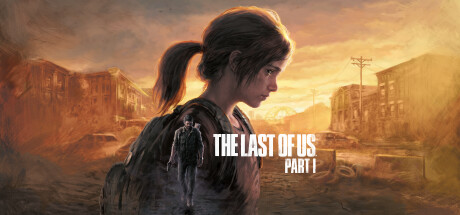

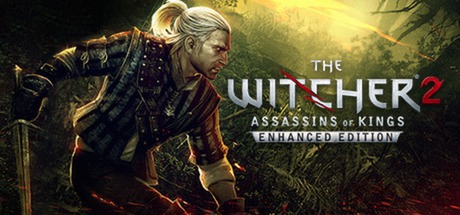
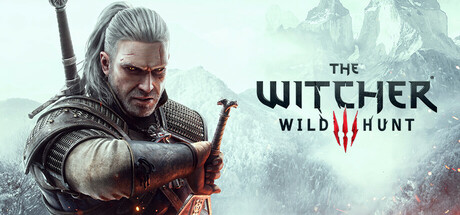
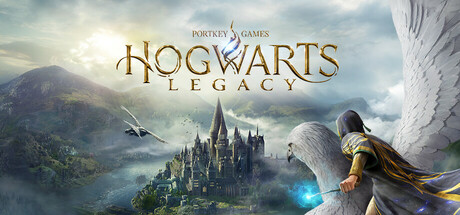
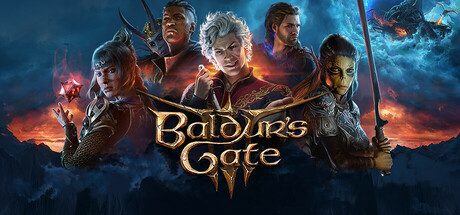
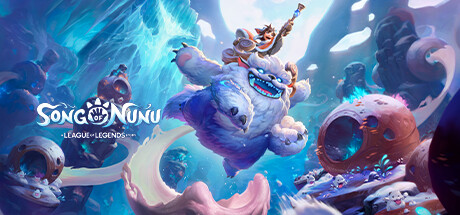
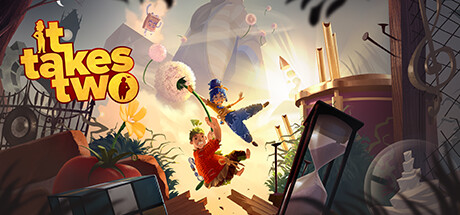
Match Dimensions Explained
❓Frequently Asked Questions
Why does Chains keep coming up when I search for games like Ghost Hound?
Because Chains nails the same quiet, healing emotional rhythm as Ghost Hound — think of how Ghost Hound lingers on quiet train rides and hushed hospital hallways; Chains mirrors that with its slow, meditative bubble-linking and gentle physics, letting you breathe between moves. It’s not about action or stakes — it’s about presence, just like when Takao sits alone sketching in his notebook or listens to the rain on the roof.
Is there a Ghost Hound video game adaptation?
No — there’s never been an official Ghost Hound game. But fans often reach for titles like Prince of Persia (2008 reboot) because its grounded, melancholic tone — especially scenes where the Prince walks alone through misty ruins or reflects on loss — echoes Ghost Hound’s atmosphere of unresolved grief and fragile hope. That ‘adult & dark seinen’ dimension is rare, and Prince of Persia delivers it without anime tropes.
How is The Witcher 3 different from Tank Universal if both are listed as similar to Ghost Hound?
Great question — they tap into Ghost Hound’s emotional weight in totally opposite ways: The Witcher 3 does it through intimate, consequence-heavy storytelling (like Geralt choosing whether to tell Ciri the truth about her past — echoing Takao’s struggle with memory and identity), while Tank Universal leans into surreal, almost dissociative immersion — think of its neon-drenched virtual world and that bittersweet player review about playing with dad before he passed. One pulls you in with words and choices; the other wraps you in sound, light, and memory-laced gameplay.
What’s the best Ghost Hound-like game if I want something soothing but emotionally heavy?
Chains is your best bet — it’s the only match scoring 81 and explicitly tagged with *both* ‘Healing & Slow Life’ and ‘Emotional Narrative’. Unlike the darker, more violent options (The Witcher 3, Tank Universal), Chains gives you that same gentle, reflective space: no timers, no enemies, just soft colors, deliberate linking, and the quiet satisfaction of clearing a level — kind of like watching the sun rise over the riverbank in episode 17, where everything feels still and meaningful.