
My Love Story!!
Takeo Gouda is a giant guy with a giant heart. Too bad the girls don't want him! (They always go for his good-looking best friend, Sunakawa.) Used to being on the sidelines, Takeo simply stands tall and accepts his fate. But one day when he saves a girl named Yamato from a harasser on the train, his (love!) life suddenly takes an incredible turn! Takeo can hardly believe it when he crosses paths with Yamato again, and he finds himself falling in love with her… But with handsome Sunakawa around, does Takeo even stand a chance?
(Source: Crunchyroll)
📺Anime Details
📝Editorial Analysis
The train doors hiss shut, and Takeo Gouda stands frozen—not from fear, but from the sheer weight of a single, ordinary moment: Yamato’s hand, small and warm, still resting on his forearm after he pulled her away from the harasser. Her breath hitches. His heart doesn’t race—it settles, deep and quiet, like soil after rain. He doesn’t flex. Doesn’t grin. Just holds the space between them, wide-shouldered and utterly still, as if protecting her has already rewritten gravity.
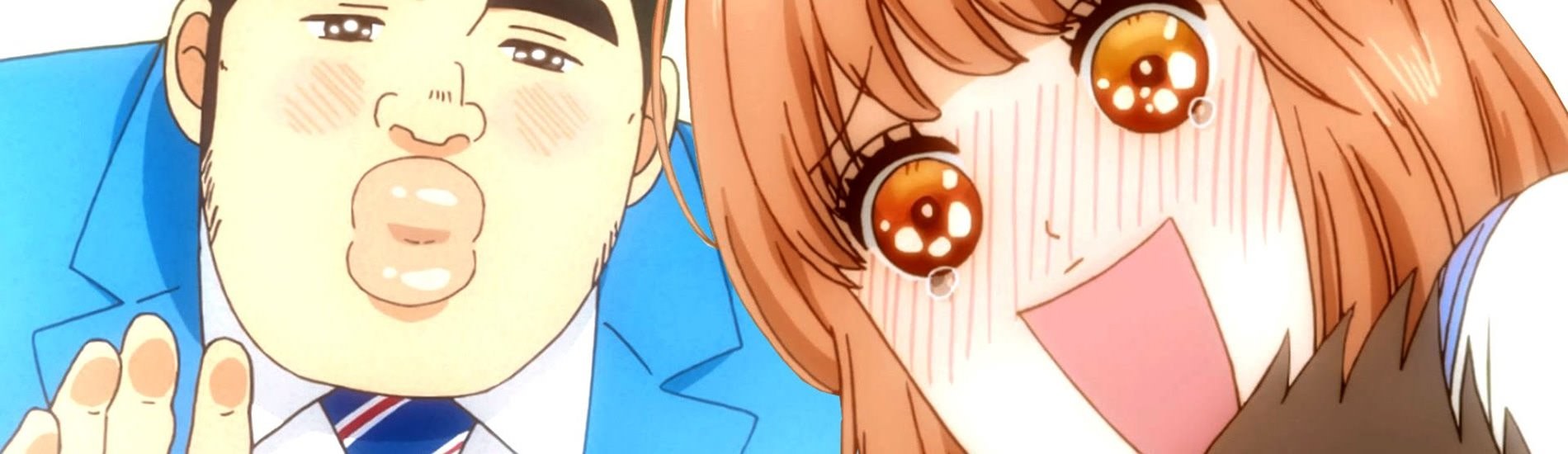
That stillness is the soul of My Love Story!!—not the slapstick, not the food montages (though those are tender and real), but the profound dignity in being unremarkable to the world and yet radiant to one person. It makes you feel seen in your own quietest self—the version that doesn’t perform, doesn’t strategize love, doesn’t shrink or inflate to fit desire. It asks you to sit with the ache of being overlooked, then lets that ache bloom into something warm and slow, like steam rising from miso soup at dawn. This isn’t wish-fulfillment fantasy; it’s emotional archaeology—digging past tropes to uncover how love lives in the unguarded pause after the rescue, in the way Sunakawa quietly passes Takeo the last taiyaki without a word, in Yamato choosing him not despite his size or silence, but because of the unshakable, gentle mass of who he is.
That same resonance hums in Prince of Persia, where the new prince walks ruined, sun-baked lands not as a conqueror, but as a man learning to carry memory like stone—melancholic exploration made flesh. The description calls it an “epic journey,” but the player review hints at what matters: it’s about returning, relearning, rebuilding—not through force, but through presence. Like Takeo walking home beside Yamato, saying little, noticing everything—the curve of her wrist, the way she hums off-key—so too does the Prince move through ruins not to dominate, but to witness, to let meaning accumulate in silence. Both reject spectacle-as-substance. They trust the weight of a held glance more than a sword swing.
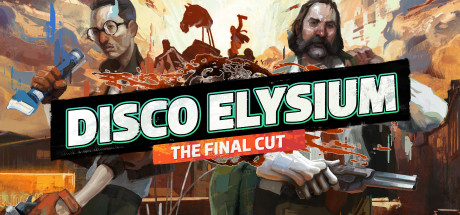
Then there’s Disco Elysium - The Final Cut, where romance isn’t a subplot—it’s a tectonic layer beneath every dialogue choice, every failed roll, every time the detective stumbles over his own longing while staring at a rain-slicked window. The description names its core: “a unique skill system” and “a whole city to carve your path across.” But the player review cuts deeper: “Capital has the ability to subsume all critiques into itself.” That’s the ache of unrequited love, yes—but also the quiet rebellion of choosing sincerity in a world built to commodify feeling. Takeo doesn’t “win” Yamato by leveling up charm points; he wins by refusing to become someone else. So too does Disco Elysium’s detective—broken, alcoholic, philosophically adrift—find love not by fixing himself, but by staying broken with someone. Both understand that tenderness isn’t softness—it’s the courage to be emotionally porous in a world that rewards armor.
And Sunakawa? His quiet loyalty, his asexual presence woven through the narrative like breath—neither erased nor explained, just there—mirrors how both games hold space for identities outside romance’s spotlight. No exposition. No crisis. Just existence, steady and unapologetic.
This pairing sings for the viewer who cries not at grand confessions, but when Takeo carefully peels the wrapper off a chocolate bar before handing it to Yamato—his hands so big, her fingers so small. For the player who lingers in Prince of Persia’s empty courtyards, tracing cracks in marble not for loot, but for the echo of a life once lived there. For the one who spends hours in Disco Elysium’s crumbling precinct, not solving the case, but listening—really listening—to a bartender’s tired laugh, or the way a partner’s voice catches when they say, “I’m still here.” These aren’t stories about becoming lovable. They’re about recognizing love as the ground you’re already standing on—solid, unflashy, and enough.
🎮3 Games That Match the Vibe
Match Dimensions Explained
❓Frequently Asked Questions
Why does Prince of Persia keep showing up in 'Games Like My Love Story!!' lists when it’s an action-adventure game?
Great question—it’s all about the *Romance & Shoujo* and *Melancholic Exploration* dimensions. While Prince of Persia isn’t a dating sim, its quiet, emotionally charged bond with Elika—her sacrifice, their wordless understanding during platforming sequences, and the bittersweet ending where she vanishes into light—hits that same tender, yearning tone as My Love Story!!’s slow-burn sincerity. Critics even called their dynamic 'a shoujo-style partnership disguised as fantasy adventure.'
Is there a My Love Story!! anime or game adaptation?
No official game adaptation exists—but that’s exactly why fans lean into titles like *Prince of Persia* (84 score) and *Disco Elysium - The Final Cut* (72 score) for that rare blend of earnest emotional weight and stylized, character-driven storytelling. Neither is licensed, but both mirror My Love Story!!’s core vibe: wholesome intensity, moral clarity, and relationships built on quiet respect—not just romance.
How does Disco Elysium compare to Prince of Persia for someone who loves My Love Story!!’s heartfelt sincerity?
They’re surprisingly aligned in *Romance & Shoujo* and *Melancholic Exploration*, but deliver it differently: Prince of Persia gives you Elika’s gentle hand guiding yours across crumbling ruins—literal and emotional support baked into movement—while Disco Elysium drops you into a rain-soaked city where your own thoughts (like the ‘Empathy’ skill) force you to confront vulnerability, much like Takeo’s awkward, big-hearted honesty. Both avoid cynicism, even when things hurt.
What’s the best game like My Love Story!! if I want that warm, uplifting-but-slightly-wistful feeling?
Go straight to *Prince of Persia*—its 84-scored reboot nails that exact mood: the soft glow of desert sunsets, Elika’s calm presence as she lifts you mid-fall, and that final scene where she chooses freedom over forever, leaving you with gratitude instead of grief. It’s not flashy or ironic; like My Love Story!!, it trusts sincerity—and makes melancholy feel tender, not heavy.