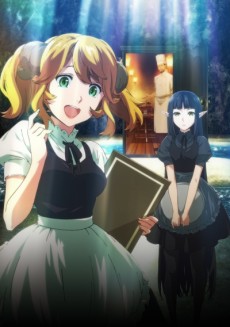
Restaurant to Another World
There is a certain restaurant in the first basement level of a multi-tenant building in one corner of a shopping street near the office district. The historical restaurant, marked by a sign with a picture of a cat, is called "Western Cuisine Nekoya." This restaurant looks completely normal through the week, but on Saturdays, it opens in secret exclusively to some very unique guests. During these hours, doors in various areas of a parallel world open to allow customers of many different races and cultures into the restaurant.
(Source: Crunchyroll)
📺Anime Details
📝Editorial Analysis
The steam rises—not from a boiling cauldron of magic, but from a simple copper pot of miso soup simmering on the back burner of Restaurant to Another World, just as the first Saturday guest steps through the door: an elf with silver hair and quiet eyes, her fingers brushing the worn brass handle of Nekoya’s unassuming entrance. She exhales, shoulders softening, and for a beat, the clink of cutlery, the low hum of the refrigerator, the scent of butter browning in a pan—all of it feels like coming home. Not to a kingdom or a battlefield, but to a place where time slows just enough for you to taste the broth, feel the warmth seep into your palms, and forget, however briefly, that you carry a sword—or wings—or a curse.
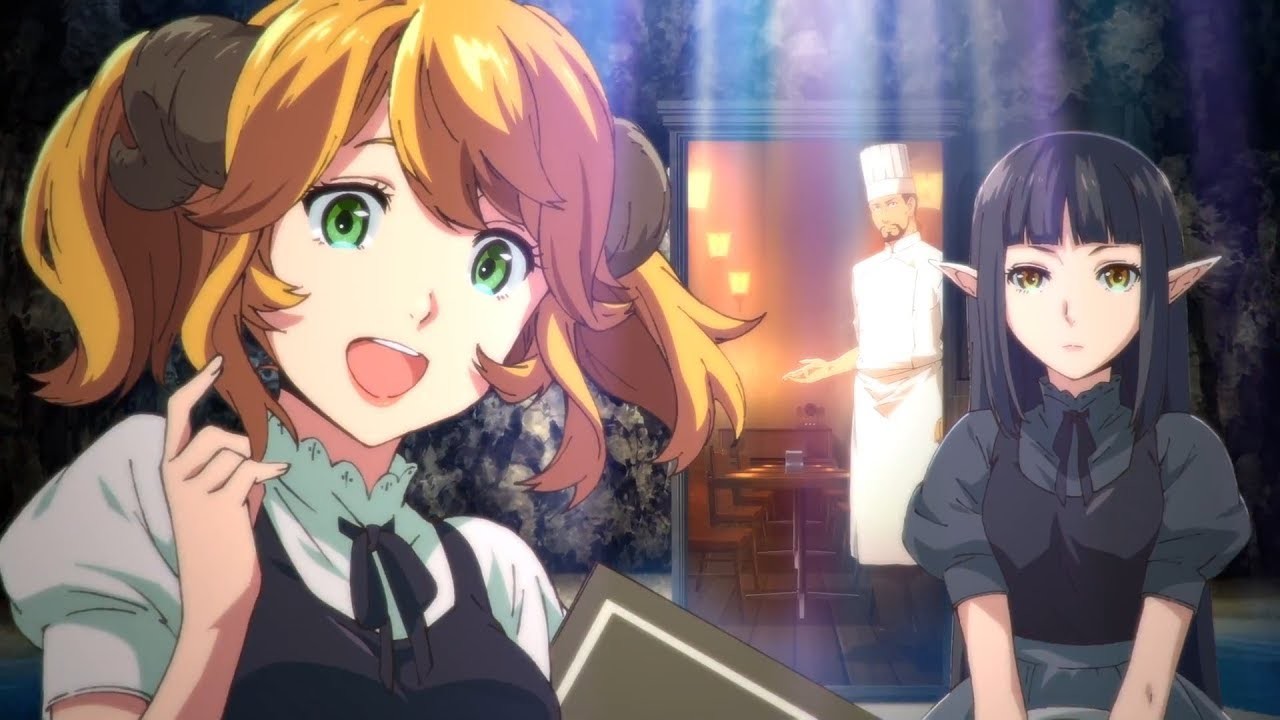
That’s the heartbeat of Restaurant to Another World: not spectacle, but sanctuary. It doesn’t ask you to conquer worlds—it asks you to sit down, order, and be seen. The fantasy isn’t in the magic gates or the demon patrons; it’s in the radical tenderness of preparation—the chef’s focused silence as he fries a perfect croquette, the way the elf’s ears twitch at the first bite of herb-roasted chicken, the quiet understanding when a gruff orc pauses mid-chew, then nods once, deeply. This isn’t escapism that lifts you out of reality—it’s one that anchors you deeper into it, reminding you how much meaning lives in small, repeated acts: chopping onions, wiping counters, remembering a regular’s favorite table. It makes you think about labor not as grind, but as ritual—and about belonging not as conquest, but as being known, dish by dish.
Which is why Prince of Persia resonates so uncannily—not because of sand or swords, but because of its Healing & Slow Life, Melancholic Exploration. That phrase isn’t marketing fluff; it’s the emotional signature of both works. In the game’s description, it’s framed as an “epic journey,” yet player reviews highlight its new prince, new lands, brand new story—a deliberate departure from legacy, from noise, from expectation. Like Nekoya’s Saturday shift, it’s a reset: no grand prophecy, just a man walking through ruins, learning to move with grace, listening to wind in broken archways. The melancholy isn’t despair—it’s the weight of presence, the ache of beauty observed slowly, deliberately. When the Prince traces a fresco with his fingertips, or pauses to watch light fracture through stained glass, it mirrors the anime’s chef tasting sauce off a spoon, adjusting salt, then nodding—not for applause, but for truth. Both trust stillness. Both treat time not as something to beat, but as something to knead, like dough.
And though no other games are listed in the data, the specificity of that match—its precise emotional dimensions—is telling. Healing & Slow Life isn’t just “relaxing”—it’s the relief of being allowed to breathe without agenda. Melancholic Exploration isn’t sadness—it’s the hush before rain, the quiet awe of stepping into a space older than you, where your only task is to witness, to taste, to linger. That’s Nekoya’s Saturday: no quests handed out, no factions to join—just a demon who’s never had custard, an elf who’s forgotten what comfort tastes like, and a chef whose greatest magic is consistency. The game doesn’t need dragons or dungeons to echo this; it needs the same reverence for texture—the grit of sand underfoot, the sheen of gravy on porcelain, the way light catches steam rising from a bowl.
This pairing sings for the person who bookmarks recipes they’ll never cook just to reread the ingredient list. For the player who spends ten minutes watching birds in Stardew Valley instead of harvesting crops. For the viewer who rewinds the scene where the orc carefully folds his napkin after finishing ramen—not for the action, but for the dignity in that small, human gesture. They’re the ones who feel most alive not during the climax, but in the lull between breaths—the steam, the silence, the shared, unspoken yes that passes between server and guest when the plate lands just right. They don’t seek fantasy to flee life—they seek it to deepen it. And in both Restaurant to Another World and Prince of Persia, they find a rare kind of magic: one measured in seconds, seasoned with patience, served warm.
🎮16 Games That Match the Vibe












Match Dimensions Explained
❓Frequently Asked Questions
Why is Prince of Persia listed as similar to Restaurant to Another World?
Because both lean hard into melancholic exploration and quiet, healing moments—like wandering the rain-slicked ruins in Prince of Persia’s Zerzur while reflecting on loss, or watching Isekai Chef Aht arrange a delicate bento for a weary traveler. It’s not about combat or chaos; it’s that shared hush between action, where atmosphere and emotional pacing do the heavy lifting.
Is there a Restaurant to Another World anime or game adaptation?
No official game adaptation exists yet—but Prince of Persia (2024) captures that same 'slow life' soul: think long, contemplative walks through sun-dappled courtyards or tending to a garden-like hub area after a tense encounter. Fans often say it’s the closest *vibe-wise* to what a faithful RTAW game would feel like—calm, character-driven, and steeped in sensory warmth.
How does Prince of Persia compare to Stardew Valley for slow-life fans?
Stardew leans into cheerful routine and community-building (like befriending villagers at the Saloon), while Prince of Persia delivers slow life through *melancholic exploration*—think lingering in a crumbling palace library or healing wounds by a quiet fountain, not planting turnips. Both soothe, but one hums; the other sighs softly—and that’s why RTAW fans who love the show’s quieter, more introspective meals often prefer Prince of Persia’s tone.
What’s the best game like Restaurant to Another World if I want something calming but with subtle tension?
Prince of Persia (2024) is your sweet spot—it’s got that same ‘healing & slow life’ core, but with just enough edge: you’ll dodge collapsing pillars in Zerzur’s ruins or face off against shadowy foes in dreamlike arenas, then immediately retreat to a serene oasis to rest and reflect—exactly like how RTAW cuts from high-stakes dungeon crawls back to the cozy, lantern-lit kitchen.