
Slow Start
The story centers around 17-year-old Hana Ichinose, who unbeknownst to her classmates, was a year late in enrolling into high school. Although it may not seem like a big deal, it is a big deal to her. She wants to catch up with everyone else someday.
(Source: Anime News Network)
📺Anime Details
📝Editorial Analysis
The quiet thump of Hana Ichinose’s slipper hitting the floor as she trips over her own feet in the hallway—just before class starts, just after everyone else has settled—feels like a held breath. Not embarrassment, not panic, but something softer: the weight of time slipping sideways, of being one year behind, while the world moves forward in neat, synchronized steps. She catches herself, smiles faintly, adjusts her sleeve—and no one notices the pause. That’s the heart of Slow Start: not a stumble to be laughed at, but a quiet recalibration of self against an invisible clock.
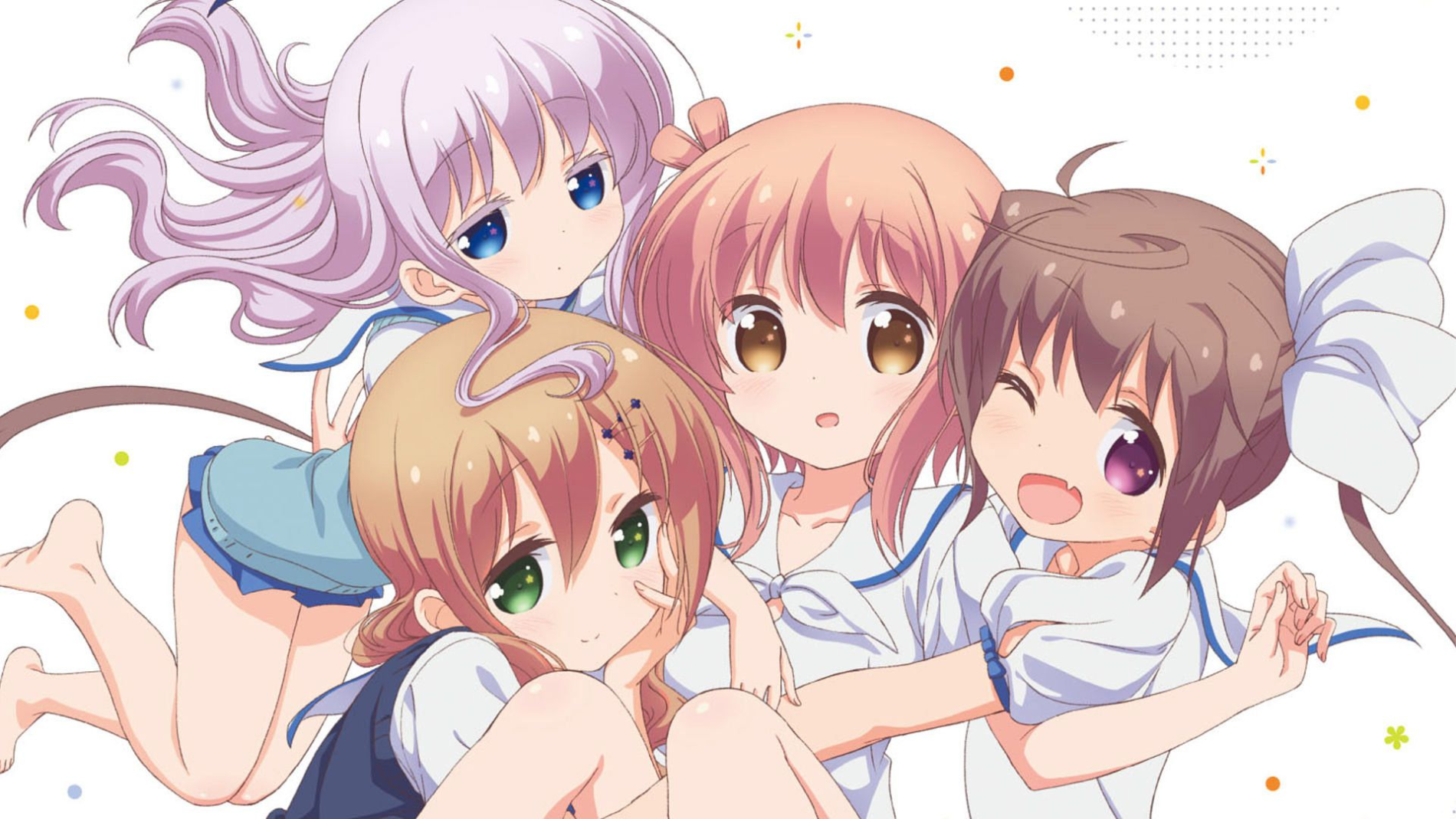
What makes Slow Start’s atmosphere singular isn’t its pastel palette or gentle pacing—it’s how it treats time itself as tender terrain. This isn’t nostalgia; it’s present-tense vulnerability. Hana isn’t haunted by failure—she’s gently disoriented by duration: the stretch between expectation and reality, the soft friction of growing up after your peers have already begun. The show doesn’t rush her healing, nor does it pathologize her hikikomori past—it holds space for her to relearn rhythm, one shared lunch, one hesitant confession, one unspoken glance at a friend who also carries quiet weight. It asks you to sit with the ache of almost, the warmth of still here, the relief of not yet lost. You don’t watch it to escape—you watch it to breathe deeper.
That same emotional resonance echoes in Prince of Persia, not in its sand-swept action or mythic scale, but in its Healing & Slow Life dimension—listed explicitly in its top match tags. Here, too, time is neither linear nor punitive, but malleable, tactile, restorative. The Prince doesn’t conquer time—he negotiates it: rewinding missteps, pausing mid-fall, learning grace through repetition. Like Hana relearning how to walk into a classroom without counting the years behind her, the Prince relearns agency—not through power, but through patience with consequence. A player review notes it’s “a new prince, new lands and a brand new story completely separate from the sands…”—and that separation matters. It’s not about legacy or catching up to canon; it’s about beginning anew, on your own terms, in a world that doesn’t demand speed, only presence. The adult & dark seinen tag aligns not with grit, but with maturity—the understanding that healing isn’t bright or loud, but often occurs in low light, in silence between jumps, in the space after a fall where you choose whether to rise slowly or not at all.
This isn’t accidental kinship—it’s structural empathy. Both Slow Start and Prince of Persia treat growth as embodied, not abstract. Hana’s delayed enrollment isn’t a plot device—it’s physiological: the slight lag in her reflexes, the way she watches others before speaking, the careful way she folds her hands when nervous. Similarly, the Prince’s acrobatics aren’t just spectacle—they’re kinesthetic language: every ledge grab, every wall-run, every rewind is a physical negotiation with momentum, memory, and margin for error. Neither work glorifies speed; both honor the dignity of re-entry—into school, into motion, into selfhood.
Who loves this pairing? Not just fans of “cute girls” or “platformers.” It’s the person who’s ever sat on the edge of their bed at 3 p.m., wondering why the day feels thicker than it should—someone who finds solace not in triumph, but in continuity. It’s the reader who underlines sentences about quiet resilience in novels, the player who replays a level not to win faster, but to feel the air shift as they land just right. It’s the adult who remembers what it felt like to be slightly out of sync—not broken, not behind, but tuning. They don’t need fireworks. They need the thump of a slipper on linoleum. They need the grind of sand against stone as time bends, just once, to let them catch their breath. They love stories where healing isn’t a destination—but the soft, persistent act of showing up, again and again, exactly as you are: tender, unhurried, here.
🎮4 Games That Match the Vibe
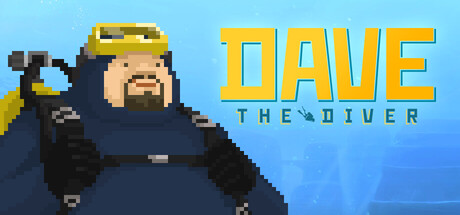
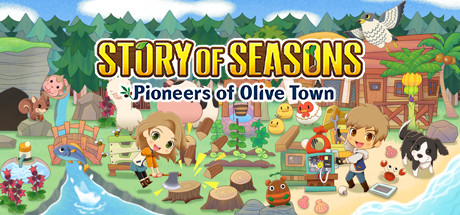

Match Dimensions Explained
❓Frequently Asked Questions
Why does Prince of Persia keep coming up in 'Games Like Slow Start' lists?
Because both lean hard into 'Healing & Slow Life' vibes — think quiet mornings, gentle character growth, and emotionally resonant downtime (like the Prince tending to his injured companion in the oasis camp, or Slow Start’s Rika quietly sharing tea with Hikari). It’s not about action pacing; it’s how both use stillness, intimacy, and soft emotional stakes to build connection — even though Prince of Persia wraps it in 'Adult & Dark Seinen' aesthetics.
Is there an anime or manga adaptation of Prince of Persia that captures the Slow Start vibe?
No — Prince of Persia has no official anime or manga adaptation at all, let alone one focused on healing or slice-of-life. The franchise stays rooted in its Ubisoft-made game world: desert ruins, time-bending combat, and morally complex relationships (like the Prince’s fraught bond with Elika). If you’re craving Slow Start’s warmth and domestic rhythm, stick to games like this one that *share its emotional DNA*, not adaptations.
How does Prince of Persia compare to Slow Start in terms of romantic pacing and emotional realism?
Both avoid rushed romance — Slow Start takes 12+ episodes to land its first real kiss between Rika and Hikari, while Prince of Persia builds its central relationship through shared vulnerability (Elika healing the Prince after near-fatal falls, their quiet conversations atop crumbling towers). Neither uses tropes like love triangles or miscommunication drama; instead, they prioritize earned trust, physical tenderness (hand-holding, shared silence), and slow-burn emotional reciprocity.
What’s the best 'Slow Start'-style game if I want healing + slow life but with mature, grounded stakes?
Prince of Persia is your top pick — it scores 83 and explicitly matches 'Healing & Slow Life' *and* 'Adult & Dark Seinen'. You’ll get the same deliberate pacing (e.g., lingering in safe zones to restore health, watching sunsets over ancient cities) but with weightier themes: grief, responsibility, and moral ambiguity — like when the Prince must choose whether to sacrifice Elika’s freedom to save the world. It’s slow life, yes — but life with consequences.