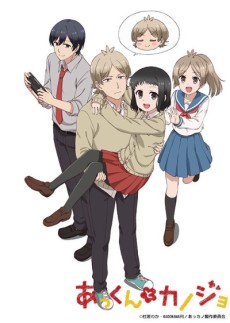
My Sweet Tyrant
The romantic comedy follows the everyday life of an extremely tsundere boy named Atsuhiro "Akkun" Kagari and his girlfriend Non "Nontan" Katagiri. Akkun's behavior is harsh towards Nontan with verbal abuse and neglect, but he actually is head-over-heels for her and habitually acts like a stalker by tailing her or eavesdropping. Nontan is oblivious to Akkun's stalker ways, and thinks his actions are cute.
(Source: Anime News Network)
📺Anime Details
📝Editorial Analysis
The fluorescent hum of the school hallway. Nontan humming off-key while adjusting her backpack strap. Behind her, just out of frame—always just out of frame—Akkun pressed against a locker, eyes locked on her hair ribbon, breath shallow, knuckles white where he’s gripping his own bookbag. He doesn’t move. Doesn’t speak. Doesn’t even blink. Just watches, heart hammering like it’s trying to break free—not from fear, but from the sheer, unbearable pressure of wanting someone so much it feels like standing too close to heat.
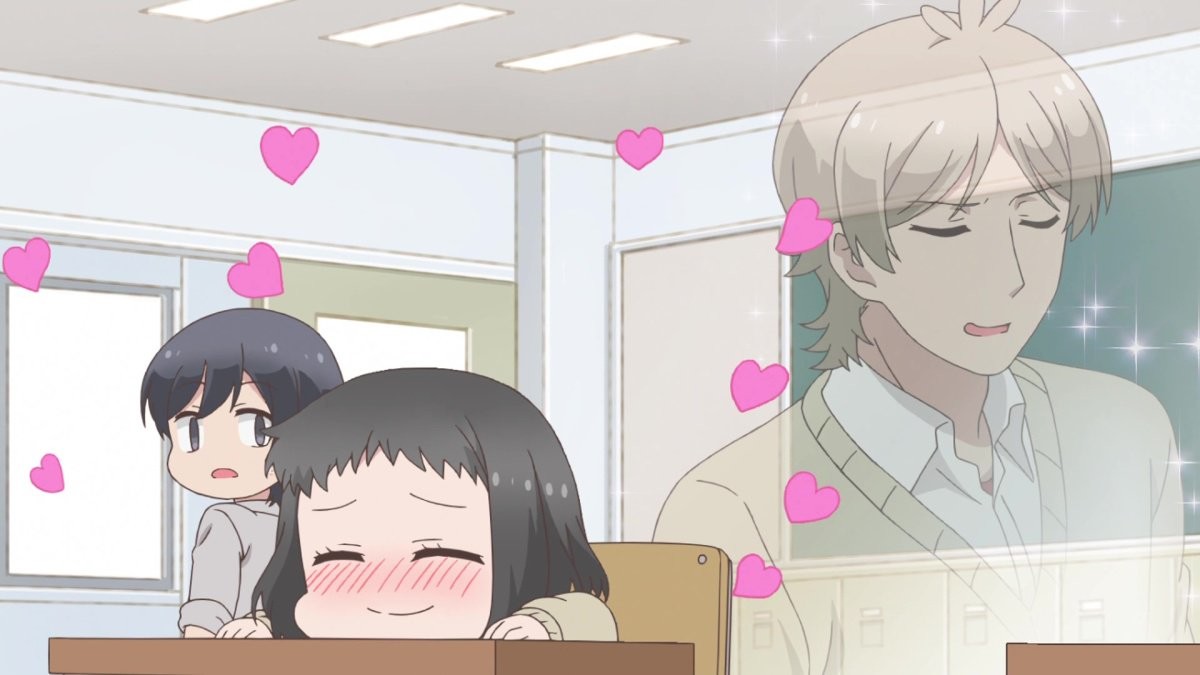
That’s the core pulse of My Sweet Tyrant: not romance as grand confession or slow-burn tenderness, but romance as proximity anxiety. It’s the electric dread of being seen while seeing, the way love folds in on itself until affection and surveillance blur into the same trembling gesture. You don’t feel warm watching Akkun trail Nontan home—you feel vertiginous, like leaning over a balcony rail, exhilarated and nauseous at once. The comedy isn’t in the slapstick; it’s in how desperately, absurdly human the imbalance feels—the boy who calls her “annoying” while memorizing the exact time she buys melon soda from the vending machine. This isn’t shoujo fantasy—it’s melancholic exploration disguised as fluff: the quiet ache of loving someone who doesn’t know you’re there, even as you stand three feet behind them, breathing the same air.
Which is why Prince of Persia lands with such uncanny resonance. Its description promises “an all-new epic journey” built on “melancholic exploration”—and that phrase fits like a key. Not because the Prince stalks princesses (he doesn’t), but because the game’s soul lives in those silent, suspended moments: the Prince leaping across crumbling archways, camera lingering just a beat too long on his shadow stretching across sun-baked stone, the weight of legacy pressing down as he moves through space he doesn’t fully understand. Like Akkun moving through hallways he knows by scent and step count, the Prince navigates ruins not just as terrain, but as emotional topography—every ledge a hesitation, every fall a surrender to gravity he can’t name. A player review calls it “the 3rd reboot… completely separate from the sands,” echoing how My Sweet Tyrant reboots tsundere logic: not as trope, but as embodied dissonance, where love isn’t declared—it’s performed in the tremor of a held breath, the delay before a glance breaks away.
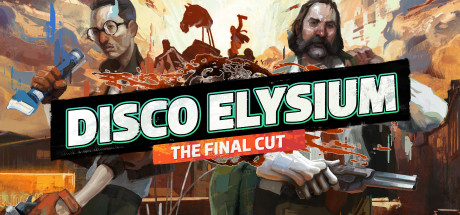
Then there’s Disco Elysium - The Final Cut, tagged with the same “Romance & Shoujo, Melancholic Exploration” dimensions—and yes, it sounds impossible next to a school rom-com. But read the player review: “Capital has the ability to subsume all critiques into itself. Even those who would critique capital end up reinforcing it instead.” That’s Akkun’s entire internal monologue, translated into political ontology. His “stalking” isn’t pathology—it’s the desperate, self-consuming labor of maintaining an emotional economy where affection must be hidden to survive, where caring too openly would collapse the fragile currency of his pride. Like the detective in Martina, Akkun interrogates himself constantly—his skill checks are silent, frantic: Do I look jealous? Did she notice me looking? Is this love or just habit? Both characters navigate worlds where intimacy is structurally compromised—not by villains, but by systems: school hierarchy, adult authority (that teacher tag isn’t decorative), the unspoken rules that say “boy who loves girl must never seem to love her.” The melancholy isn’t sadness—it’s the exhaustion of performing safety while your heart screams in code no one’s meant to decode.
This pairing isn’t for fans of “cute couples” or “gritty realism.” It’s for the person who watches Akkun hide behind a potted plant and thinks, I’ve done that. Who plays Prince of Persia not for the swordplay, but for the way the wind lifts the Prince’s scarf as he pauses on a ledge—that pause holding more tension than any boss fight. Who reads that Disco Elysium review and nods, recognizing the trap: love, like critique, can become another form of complicity if you don’t name its architecture. These are works for people who feel emotion in negative space—in what’s withheld, tracked, unsaid, or buried beneath layers of performance. They’re for anyone who’s ever loved so hard it felt like trespassing—and found, strangely, beautifully, that the trespass was the devotion.
🎮3 Games That Match the Vibe
Match Dimensions Explained
❓Frequently Asked Questions
Why does Prince of Persia keep showing up in 'Games Like My Sweet Tyrant' lists when it's an action-adventure game?
Great question—it’s all about the *Romance & Shoujo* and *Melancholic Exploration* dimensions. Like My Sweet Tyrant’s slow-burn emotional tension between Aki and Yume, Prince of Persia leans into quiet, yearning moments—think the Prince silently watching Zola from a sun-drenched balcony or their hushed, loaded conversations amid crumbling ruins. That bittersweet intimacy and atmospheric storytelling is why reviewers and players (like the one who called it 'a new prince, new lands, and a brand new story' rooted in emotional weight) keep drawing the parallel.
Is there an anime or manga adaptation of My Sweet Tyrant?
No—there’s no official anime or manga adaptation of *My Sweet Tyrant*. It remains a standalone visual novel. That said, fans often reach for *Disco Elysium - The Final Cut* when craving that same layered, dialogue-driven emotional realism: like when you’re deep in a late-night conversation with Kim Kitsuragi, unpacking guilt and longing just as Aki and Yume do—but with the melancholic, rain-soaked texture of Revachol instead of a high school hallway.
How does Disco Elysium compare to My Sweet Tyrant in terms of romantic pacing and tone?
They’re surprisingly aligned—both reject rushed confessions in favor of *melancholic exploration*: in *My Sweet Tyrant*, it’s Aki’s hesitant glances and Yume’s sharp-but-softening barbs; in *Disco Elysium*, it’s your detective slowly earning Kim’s trust over shared cigarettes and quiet walks past the wharf. Player reviews even call out how *Disco Elysium* ‘subsumes critiques into itself’—just like Yume’s tough exterior gradually reveals vulnerability, layer by careful layer.
What’s the best game like My Sweet Tyrant if I want that slow-burn, emotionally heavy but tender vibe?
Go straight to *Prince of Persia*—especially if you loved how *My Sweet Tyrant* builds romance through silence, setting, and restrained gestures. The way the Prince and Zola navigate grief, duty, and quiet affection across sun-bleached ruins mirrors Aki and Yume’s push-pull dynamic. With its 84 Metacritic score and emphasis on *Romance & Shoujo* + *Melancholic Exploration*, it’s not just thematically resonant—it’s *designed* for that aching, beautiful slowness.