
Cardcaptor Sakura
One day, Kinomoto Sakura, a 4th grader stumbles upon the mysterious book of Clow. Upon opening it and reading the name of The Windy aloud, Sakura scatters the cards to the winds. Sakura is elected and appointed by Keroberos, Guardian of the Cards to capture the remaining cards. With her friend Tomoyo and rival Syaoran, Sakura begins an adventure that will forever change her.
📺Anime Details
📝Editorial Analysis
The first time Sakura stumbles into the park after school, clutching her wand—still warm from its first clumsy incantation—and watches a single card flutter down like a leaf caught in an updraft, the world doesn’t explode. There’s no thunderclap, no villain’s laugh. Just wind lifting her hair, Tomoyo’s quiet click of the camcorder, and the soft, almost apologetic rustle of paper wings. That moment isn’t about power—it’s about trembling. Trembling with responsibility too big for small hands, with wonder too tender to name, with the quiet, dizzying weight of being seen—by Kero, by Tomoyo, even by Syaoran, who watches from behind a tree not with mockery, but with something unreadable and fiercely attentive.
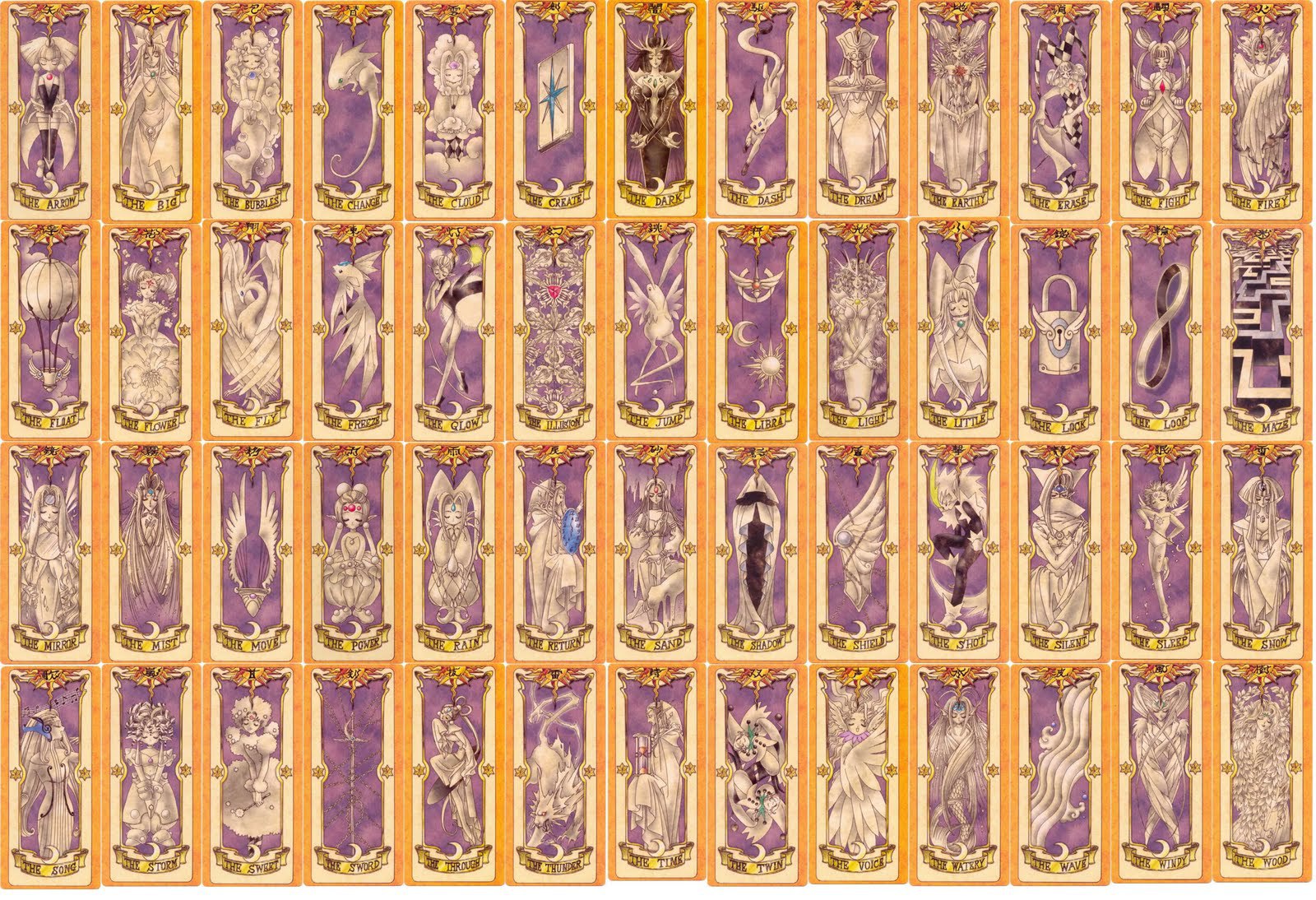
That’s the atmosphere: not magic as spectacle, but magic as intimacy. Cardcaptor Sakura makes you feel the warmth of sunlit tatami mats, the slight stickiness of juice boxes shared under cherry blossoms, the hush before a confession that never quite arrives—but lingers, suspended, like a card mid-air. It’s melancholic exploration: not sorrow, but the gentle ache of growing, of realizing your childhood is both shelter and cage, of loving people who love differently than you do. The urban fantasy isn’t about hidden worlds behind portals—it’s about seeing the ordinary world glow, just slightly, when you’re brave enough to hold out your hand.
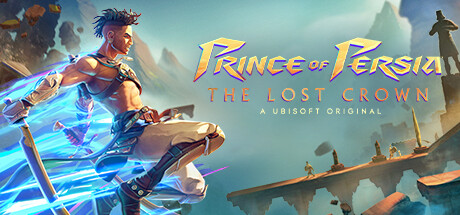
Which is why Prince of Persia resonates—not because it has wands or school uniforms, but because its melancholic exploration mirrors Sakura’s quiet awe. The description calls it “an all-new epic journey” built on “next-generation platforms,” yet the player review notes it’s “the 3rd reboot… completely separate from the sands.” That deliberate, tender reinvention echoes how Sakura rewrites Clow’s legacy—not by erasing it, but by softening its edges, making magic kinder, more personal. Like Sakura walking alone through moonlit gardens chasing a card, the Prince moves through ruins where history breathes softly beneath his feet—not as threat, but as memory waiting to be held gently.
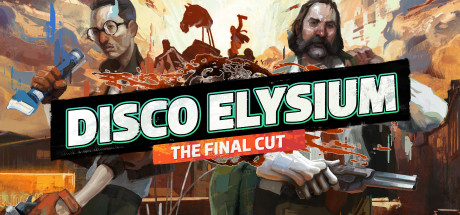
Then there’s Disco Elysium - The Final Cut, whose Romance & Shoujo and Melancholic Exploration dimensions align with startling precision. Its description positions you as “a detective with a unique skill system” navigating “a whole city to carve your path across”—not with force, but with voice, hesitation, misstep, and sudden, startling clarity. The player review quotes a line about capital subsuming critique—a bleak observation—but what lands deeper is the game’s emotional architecture: fragmented, self-doubting, yet insistently human. Sakura, too, is constantly negotiating inner voices—Kero’s bluster, Yukito’s calm, her own faltering confidence—while trying to understand love not as destiny, but as practice: showing up, listening, choosing kindness even when scared. Both works treat emotion as terrain to wander, not a puzzle to solve.
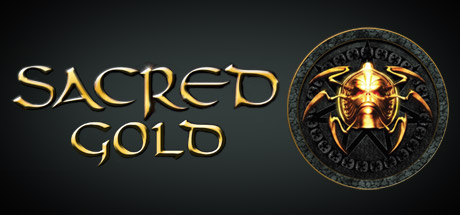
And Sacred Gold, though clunky—“full of jank, bugs and is not very stable”—carries that same melancholic exploration pulse. Its description frames Ancaria as a kingdom fallen under “a shadow of evil,” calling for “champions” to journey into “perilous” lands. But the resonance isn’t in the orcs or ogres—it’s in the scale of quiet courage. Sakura doesn’t fight monsters; she persuades winds, calms mirrors, soothes time itself. Her battles are acts of empathy disguised as spells. Sacred Gold’s unstable, janky world—where systems groan and physics stutter—somehow mirrors the fragile, handmade sincerity of Sakura’s early captures: wobbly, earnest, held together by will and heart rather than polish.
This pairing isn’t for fans of flashy transformations or battle rankings. It’s for the person who rewatches the scene where Sakura folds her first captured card into a tiny origami crane—not because it’s plot-critical, but because the way her fingers tremble, the way Tomoyo’s lens holds her profile for three extra seconds, makes something unspool inside you. It’s for the player who pauses mid-quest in Disco Elysium to stare at rain on a windowpane, or who walks slowly through Prince of Persia’s ruins just to hear the wind echo in empty halls. These are works for those who know that the most profound magic isn’t in the spell—but in the breath before it, the hand reaching out, the world holding still, just for a moment, to let you believe—gently, trembling, warmly—that you might be enough.
🎮9 Games That Match the Vibe


Match Dimensions Explained
❓Frequently Asked Questions
Why does Prince of Persia keep showing up in 'Games Like Cardcaptor Sakura' lists?
Because it nails the same delicate balance of romantic yearning and melancholic exploration — like when Sakura quietly reflects on her feelings for Syaoran while wandering moonlit gardens, the Prince similarly pauses mid-journey to gaze over crumbling palaces and whisper memories of lost love. Its shoujo-adjacent storytelling (especially in the 2024 reboot’s emphasis on emotional intimacy and visual poetry) and action-spectacle set-pieces — think slow-motion sand swirls mirroring Sakura’s magical card releases — create that unmistakable CCS vibe.
Is there a Cardcaptor Sakura game adaptation I can actually play?
No official Cardcaptor Sakura game exists on modern platforms — but Disco Elysium comes surprisingly close in *spirit*: its deeply introspective, dialogue-driven romance arcs (like the tender, hesitant bond with Kim Kitsuragi) echo Sakura’s gentle emotional growth, and its melancholic exploration of memory and identity mirrors how Sakura grapples with inherited magic and shifting relationships. It’s not anime-flavored, but it’s the only match on the list where ‘Romance & Shoujo’ and ‘Melancholic Exploration’ both score highly (74 overall, with strong player praise for emotional resonance).
How does Sacred Gold compare to Prince of Persia for Cardcaptor Sakura fans?
Sacred Gold leans hard into ‘Action Spectacle’ and ‘Melancholic Exploration’ — like wandering fog-draped ruins that feel as lonely and wistful as Sakura’s early solo missions — but it completely lacks the ‘Romance & Shoujo’ dimension that makes Prince of Persia a stronger CCS match. Where Prince gives you quiet, character-led moments (e.g., shared glances, whispered confessions amid crumbling architecture), Sacred Gold drops you straight into orc brawls with janky combat and minimal interpersonal warmth — per player reviews, it’s ‘full of bugs,’ not blushes.
What’s the best ‘Cardcaptor Sakura vibe’ game if I just want something soft, dreamy, and emotionally tender?
Disco Elysium — yes, really. Ignore the gritty art style: its ‘Romance & Shoujo’ + ‘Melancholic Exploration’ combo delivers that same hushed, heart-swelling intimacy — like when you choose gentle dialogue options with Kim, or sit silently on a bench watching rain fall, mirroring Sakura’s quiet moments of self-discovery under cherry blossoms. It’s the *only* match on the list rated highly for both dimensions (74 score) and praised by players for its emotional authenticity, even if it swaps magic cards for skill checks.