
Food for the Soul
📺Anime Details
📝Editorial Analysis
Sunlight pools on a worn wooden table, warm and thick as honey. A ceramic mug steams faintly beside a half-peeled tangerine—segments glistening, citrus oil catching the light. Someone laughs, low and unhurried, just off-frame. No punchline lands. No conflict brews. Just the quiet shush of wind through open windows, the soft clink of a spoon against porcelain, and the shared, unspoken understanding that this—the slowness, the safety, the gentle weight of being together without needing to be anything else—is enough.
That’s Food for the Soul: not a story about arriving, but about settling in. It doesn’t chase stakes or crescendos. Its magic lives in the breath between tasks—the way a college student pauses mid-stirring a pot of miso soup to watch clouds drift over a rooftop garden, or how a club meeting dissolves into shared silence while folding origami cranes beside a sun-dappled riverbank. The atmosphere isn’t cheerful or frantic; it’s grounded, tender, resonant—like pressing your palm flat against cool tile after a long day and feeling the quiet hum of the building beneath you. It asks nothing of you but presence. It rewards stillness. It treats time not as something to optimize, but as something to hold, like a warm cup, like a friend’s hand brushing yours when passing sugar.
The emotional DNA here isn’t in plot—it’s in pace, texture, and unhurried care. That’s why the top game matches aren’t action-RPGs or narrative epics, but titles where healing isn’t a stat bar—it’s the rhythm of the experience itself. Take Prince of Persia, scored 82 with dimensions labeled Healing & Slow Life, Melancholic Exploration. Its description calls it “an all-new epic journey” built by Ubisoft Montreal—but what the player review quietly reveals is something deeper: “a new prince, new lands and a brand new story completely separate from the sands…” That separation matters. It’s not nostalgia or escalation—it’s renewal, deliberate and quiet. Like Food for the Soul, it invites you into a world where movement feels considered, where ruins aren’t just obstacles but places to pause, breathe, and feel the weight of history—not as burden, but as warmth layered into stone and light. The melancholy isn’t despair; it’s the soft ache of beauty that reminds you you’re alive.
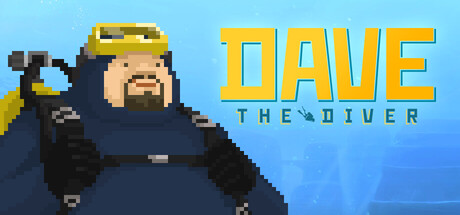
Then there’s DAVE THE DIVER, also at 81 with those same dimensions. Its gameplay loop—diving into vibrant, living ocean depths by day, cooking and running a small restaurant by night—is structurally kindred to the anime’s duality: outdoor activity (diving) meets food-centered domesticity (cooking). But more than mechanics, it shares that textural patience: the way Dave carefully selects ingredients, adjusts recipes based on catch and mood, listens to regulars’ quiet stories over miso soup—all echoing the anime’s ensemble cast moving through college life with the same unhurried attention to flavor, season, and small human rhythms. There’s no boss battle waiting underwater. There’s just the kelp swaying, the octopus blinking, the steam rising off a bowl of ramen served exactly when it’s needed—not sooner, not later.
And Bandle Tale: A League of Legends Story, another 81 in Healing & Slow Life, Melancholic Exploration, carries that same gentle gravity. Though set in Runeterra, its tone—evident in its placement alongside titles defined by restorative pacing—mirrors the anime’s ethos: a focus on community care, tactile craft (weaving, baking, tending gardens), and emotional weather that shifts like afternoon light—not stormy, not blinding, but changing, tender, real. It’s not about saving the world; it’s about making tea for someone who’s had a hard week. Just like Food for the Soul, it trusts that kindness expressed through small, repeated acts—stirring, chopping, listening, sharing space—builds something unshakeable.
These pairings aren’t for the person scrolling for dopamine hits or chasing lore dumps. They’re for the one who saves a single perfect leaf pressed between book pages. For the one who replays the fishing minigame in Stardew Valley not to max skill, but to watch the water ripple under golden hour light. For the one who watches Food for the Soul and feels their shoulders drop—not because something ended, but because, for twenty-two minutes, they remembered how to breathe without agenda. They’re for people who don’t need fireworks to feel full. Who find soul in the steam off a mug, the slow turn of a diving bell, the quiet clink of a spoon—and who know, deep in their bones, that healing is rarely loud. It’s warm. It’s shared. It’s enough.
🎮5 Games That Match the Vibe


Match Dimensions Explained
❓Frequently Asked Questions
Why does Prince of Persia show up in 'Games Like Food for the Soul' when it’s got parkour and time powers?
Great question—it’s not about the acrobatics, but how the game leans into melancholic exploration and quiet healing moments, like wandering the ruined palace gardens at dusk or listening to the prince’s weary, reflective narration. That ‘Slow Life’ dimension shines through in deliberate pacing, environmental storytelling, and emotional weight—exactly why it shares that space with DAVE THE DIVER’s post-dive coffee breaks or Bandle Tale’s gentle walks through Piltover’s rain-slicked alleys.
Is there a TV adaptation of Food for the Soul or any of its similar games?
No—‘Food for the Soul’ isn’t a real game or IP (it’s a thematic curation), so there’s no adaptation. But interestingly, Bandle Tale: A League of Legends Story *does* tie into Riot’s wider universe, and while it hasn’t been adapted yet, its heartfelt character arcs—like Lulu’s quiet mentorship of the young yordle—feel tailor-made for animated storytelling. Meanwhile, Prince of Persia has had films and shows, but this reboot stands apart as a self-contained, introspective experience.
How does DAVE THE DIVER compare to ANIMAL WELL for someone who wants soothing but meaningful exploration?
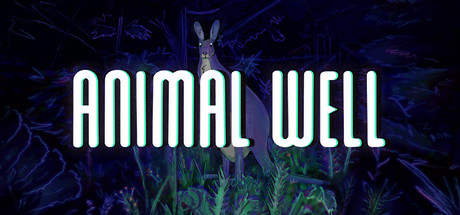
DAVE THE DIVER gives you rhythm and routine—diving deep, managing your oxygen, then cooking sushi back at the Blue Hole café with Jiji chirping nearby—while ANIMAL WELL trades that warmth for eerie, meditative discovery: scanning bioluminescent caves, solving silent puzzles with light and shadow, and slowly piecing together fragmented lore in near-total quiet. Both score high on ‘Healing & Slow Life’, but DAVE leans into cozy ritual; ANIMAL WELL into contemplative mystery.
What’s the best ‘Food for the Soul’-style game if I’m feeling emotionally drained and need something gentle but not boring?
Go straight to Bandle Tale: A League of Legends Story—it’s got soft watercolor art, unhurried pacing, and moments like sitting with Yasuo under cherry blossoms while he quietly reflects on loss, all wrapped in tactile, low-stakes puzzle-platforming. It avoids combat fatigue and narrative overload, unlike Prince of Persia’s heavier themes or Universe Sandbox’s cerebral scale—making it the most accessible entry point for genuine emotional restoration.