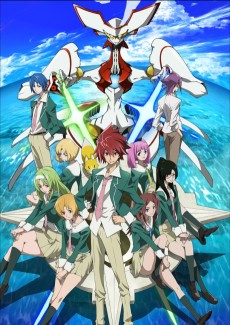
Star Driver
To the south of Japan, there lies a lush green island called Southern Cross Isle. One night, a boy by the name of Takuto Tsunashi washes up on the shore of the island. Having swum from the mainland alone and without any possessions, he enrolls in the senior high level in the school on the island - Southern Cross High School.
With his bright and positive personality, he starts to mix with various students in the school and builds relationships with many of them, including Wako Agemaki and Sugata Shindou. But this school hides a deep secret. There are sleeping giants hidden under the ground called "Cybodies".
There are about 20 of these giants, and they are just some of the various secrets kept by everyone on the island: The secret movements of the mysterious organization known as Glittering Crux. The songs of the shrine maidens. And even Takuto himself will soon come to embrace a great secret...
This island in the southern territories surrounded by the blue sea and the blue skies is the stage where the "Eulogy of Youth" filled with love, dreams and friendships, will begin.
📺Anime Details
📝Editorial Analysis
The salt-sting of Southern Cross Isle’s wind hits first—not as weather, but as longing. Takuto Tsunashi stands barefoot on wet black sand at dawn, shirt clinging, hair still damp from the swim that brought him here—no luggage, no past, just breath and horizon. He smiles, wide and unguarded, as if the island itself had whispered a secret only he could hear. That smile isn’t optimism. It’s recognition: the quiet certainty that something real is waiting beneath the surface of routine—the school bell, the clubroom door left ajar, the twin sisters who watch him from opposite sides of the hallway.
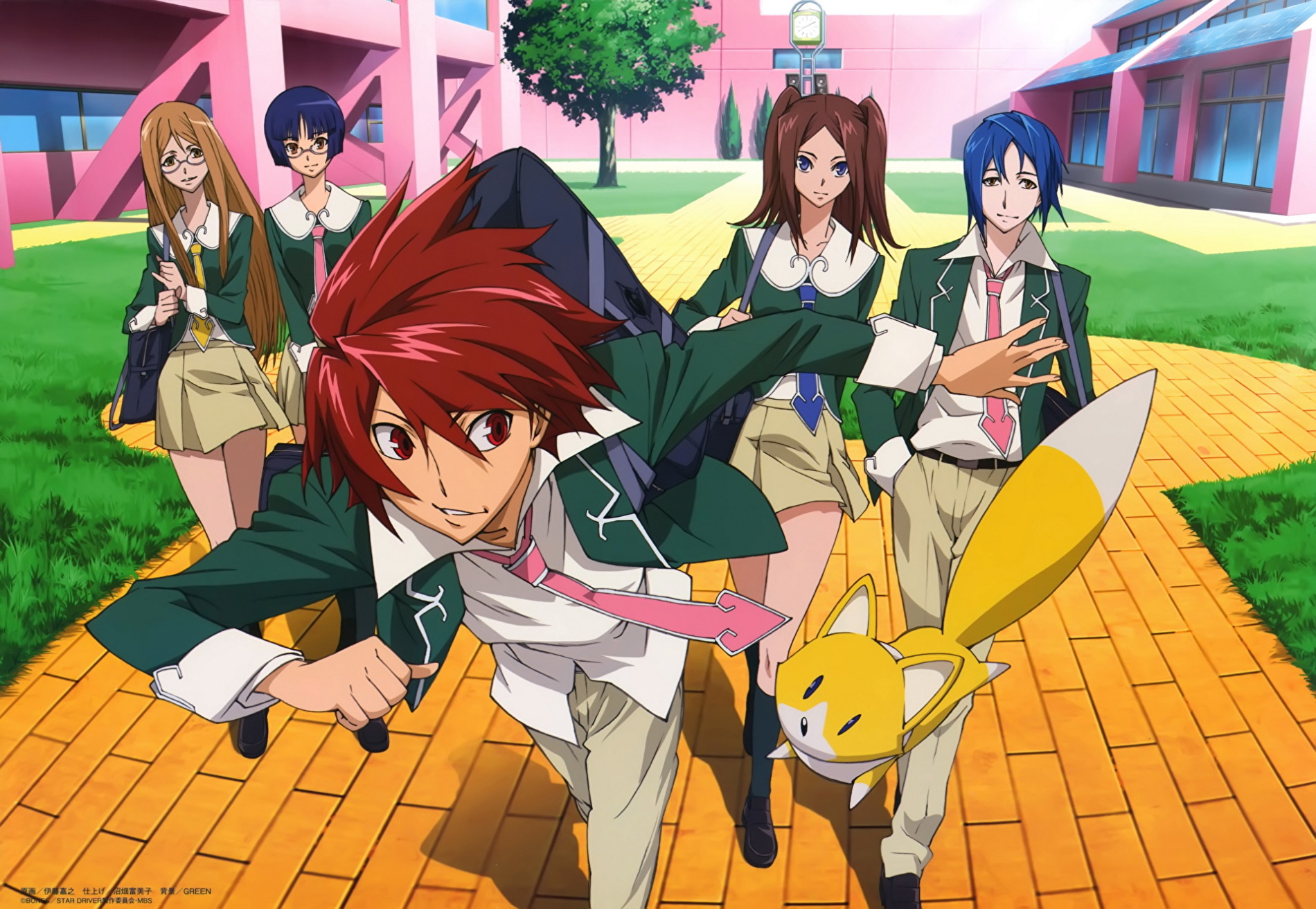
What makes Star Driver vibrate isn’t its mecha battles or henshin sequences—it’s how deeply it trusts ordinary time. The weight of a shared lunchbox. The hesitation before asking someone to walk home together. The way sunlight slants across the gym floor during club practice, turning sweat and effort into something sacred. This isn’t escapism; it’s re-enchantment. It asks you to believe—really believe—that identity isn’t fixed, that transformation begins not with a cockpit hatch slamming shut, but with choosing to show up, again and again, for people whose names you’re still learning to say right. There’s no irony here, no winking fourth wall—just the raw, tender friction of becoming known, while holding your own mystery close.
That emotional pulse echoes unmistakably in NieR:Automata™, where androids 2B, 9S, and A2 fight not just machines, but the crushing weight of purpose stripped of meaning. The player review nails it: “We’re trapped in a never-ending spiral of life and death”—yet within that spiral, moments of tenderness bloom like bioluminescence in deep water. Like Takuto choosing Wako not out of destiny, but because he sees her quiet strength when she fixes the club’s broken projector, 2B chooses connection not as protocol, but as defiance against erasure. Both ask the same question: What does it mean to care, when your very existence is provisional?
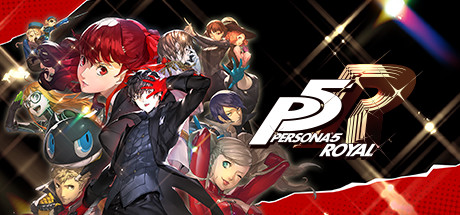
Then there’s Persona 5 Royal, where Tokyo pulses with rhythm—train announcements, café chatter, the soft chime of a friendship level-up—and every day is a negotiation between duty and desire. The player review celebrates “the seamless transition between daily life and extraordinary stakes,” exactly how Star Driver moves from classroom banter to star-shaped sigils blazing across the sky. Takuto’s bond with the Student Council President isn’t just plot—it’s built in stolen minutes: passing notes during homeroom, sharing umbrella space in sudden rain, debating club budgets while watching the sunset over the harbor. Like Joker’s confidants, these relationships breathe, thick with unspoken history and future possibility.
Even Prince of Persia, though set in mythic deserts rather than island schools, shares that same ache for intimacy as action. The player review calls it “a new prince, new lands and a brand new story completely separate from the sands…”—and yet, the core remains: movement as devotion. When Takuto runs—not away, but toward—across rooftops at night to meet Wako, or when the Prince leaps across crumbling arches to save Elika, both are performing love as physics: momentum, timing, risk. Their bodies speak what words haven’t caught up to yet. No grand monologue needed—just the shared breath before the jump.
This isn’t about mecha specs or romance tropes. It’s about people who choose presence, even when the ground shakes. Who treat ordinary moments like relics—because they are. Who understand that the most radical act in a world full of spectacle is to hold someone’s gaze a second longer than necessary, and mean it.
You’d love this pairing if you’ve ever cried over a cafeteria conversation, or replayed a single cutscene just to feel that one line land again—not because it’s clever, but because it hurts true. If you believe the best fights aren’t won with swords or beam sabers, but with honesty spoken too softly, then too loudly, then finally, just right. If your heart still flips when someone says your name like they’ve been practicing it in their head all day. That’s the frequency Star Driver broadcasts on—and these games don’t just tune in. They answer back, clear and warm, in the same language: I’m here. I remember you.
🎮16 Games That Match the Vibe




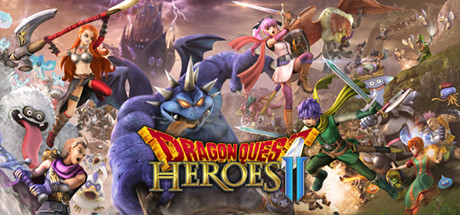
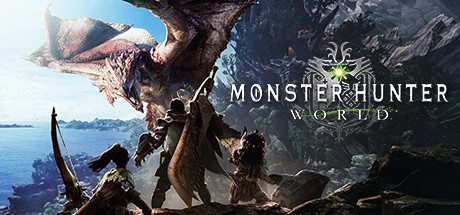

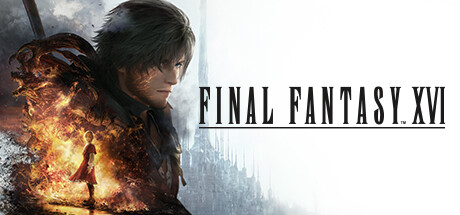

Match Dimensions Explained
❓Frequently Asked Questions
Why does Tribes: Ascend keep coming up in Star Driver game recommendations?
Because both lean hard into that exhilarating, high-speed mecha-and-military sci-fi action spectacle — think Star Driver’s orbital dogfights and gravity-defying chases mirrored in Tribes: Ascend’s jetpack-enabled ski-and-shoot chaos across massive maps. Players love how Tribes’ weapon DLC expansions (like the ‘Heavy Weapons Pack’) let you blast through enemy lines just like Takuto’s Giga-Drive-powered maneuvers in the show’s climax.
Is there a Star Driver anime adaptation of NieR:Automata?
Nope — but the *reverse* connection is what makes them feel spiritually linked: NieR:Automata’s android trio (2B, 9S, A2) wrestling with identity and war in a ruined world echoes Star Driver’s themes of pilots bound to ancient mecha and hidden destinies. That haunting line from the player review — 'We’re trapped in a never-ending spiral of life and death' — hits the same existential weight as Takuto’s bond with the Silhouette.
How does Prince of Persia compare to Star Driver for romance and action?
Both deliver swoon-worthy romance-and-shoujo vibes *and* jaw-dropping action spectacle — but Prince of Persia swaps mecha for acrobatic swordplay and desert kingdoms, channeling Star Driver’s emotional intimacy (like Takuto and Wako’s slow-burn trust) amid gravity-defying parkour sequences. The Ubisoft Montreal team even built its new prince’s story around personal growth and loyalty, much like how Star Driver’s plot unfolds through quiet moments between battles.
What’s the best Star Driver-like game if I want that bittersweet, character-driven JRPG vibe?
Persona 5 Royal — hands down. Its Phantom Thieves crew mirrors Star Driver’s found-family dynamic (Takuto, Wako, Sugata, and Tsugumi all growing through shared secrets and sacrifice), and the daily-life rhythm — balancing school, bonds, and late-night dungeon raids — nails the same tender, melancholic-yet-hopeful tone. Plus, that stunning soundtrack? It hits like Star Driver’s OP: urgent, beautiful, and full of unspoken feeling.