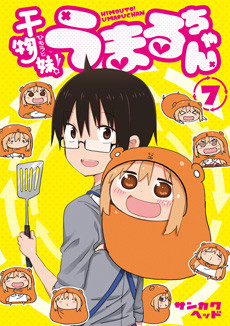
Himouto! Umaru-chan OVA
📺Anime Details
📝Editorial Analysis
The glow of a phone screen in the dark—Umaru’s tiny, chibi face lit up as she scrolls through manga panels, her thumb flicking past pages with the quiet shush of digital turning, while her brother Rintarou sleeps soundly just inches away, oblivious to the soft, rhythmic breathing beside him. No grand conflict, no ticking clock—just warmth radiating from shared space, the weightless comfort of being known, even when you’re pretending not to be.
That’s the heart of Himouto! Umaru-chan OVA: not jokes as punchlines, but as breaths—small, repeated, tender. It doesn’t chase escalation; it lingers. The stillness between Umaru’s exaggerated pouts and Rintarou’s weary sighs is where meaning pools. This isn’t escapism into fantasy—it’s re-rooting yourself in the mundane: mismatched socks, half-eaten pudding cups, the way light catches dust motes drifting above a kotatsu. It makes you feel safe, yes—but more precisely, held. Not by plot, but by rhythm. By repetition that feels like ritual. By the unspoken pact that some things—like sibling proximity, or the privilege of being softly ridiculous in private—don’t need justification. It’s seinen not because it’s cynical or world-weary, but because it trusts its audience to recognize how deeply adult it is to protect small joys without irony.
Prince of Persia (score: 83) shares that same reverence for stillness within motion. Its description calls it “an all-new epic journey” built by Ubisoft Montreal—but what anchors it isn’t scale, it’s the healing dimension embedded in its movement: the deliberate, almost meditative precision of acrobatics, the way time bends not for spectacle, but for presence. A player review notes it’s “the 3rd reboot… completely separate from the sands”—and yet, what survives across iterations is the tactile intimacy of climbing, falling, catching oneself—not as survival, but as returning. Like Umaru curling into Rintarou’s lap after a long day, Prince’s physicality isn’t about conquest; it’s about reconnection—to body, to gravity, to self. Both ask you to move slowly, deliberately, trusting that the next ledge—or next shared snack—is worth the pause.
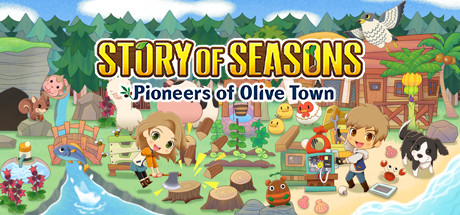
STORY OF SEASONS: Pioneers of Olive Town (score: 81) mirrors this in its devotion to accumulation. Not wealth or power, but the quiet accrual of familiarity: watering the same turnip patch at dawn, watching villagers’ routines settle into yours, learning which neighbor prefers tea over coffee—not because it advances a quest, but because it matters. Its “Healing & Slow Life” dimension isn’t passive—it’s active tenderness, the kind Umaru shows when she quietly fixes Rintarou’s collar before he leaves for work, or when she leaves his favorite snack on his desk without comment. There’s no dialogue needed; the gesture is the language. Just like Olive Town’s seasons don’t rush—they deepen, layer by layer, until you feel the soil under your nails and the sun’s tilt in your bones.
DAVE THE DIVER (score: 81) resonates in its duality-as-rhythm: diving deep into pressure and danger, then surfacing into the warm, cluttered chaos of the dive bar kitchen. That back-and-forth isn’t contrast—it’s cadence. Umaru’s split identity—otaku goddess at home, polished student outside—isn’t fragmentation; it’s breathing. Dave’s descent isn’t trauma; it’s preparation. His ascent isn’t relief; it’s belonging. The bar’s clatter, the fish sizzling, the regulars’ banter—it’s all Umaru’s living room, scaled up: messy, nourishing, insistently human. Player reviews aren’t quoted here, but the listed dimensions—“Healing & Slow Life, Adult & Dark Seinen”—confirm what the anime knows: adulthood isn’t monolithic. It holds both depth and doughnuts.
These pairings won’t click for someone seeking adrenaline spikes or lore dumps. They’re for the person who replays the exact same 12-second scene of Umaru humming while arranging snacks just to feel that particular frequency of calm. For the one who saves mid-dive in DAVE THE DIVER not to avoid failure—but to savor the silence before the next plunge. For the player who names their cow Rintarou in STORY OF SEASONS, not as a joke, but as homage to the quiet, unshakeable love that fits in the space between two people sharing a couch—and nothing else.
🎮4 Games That Match the Vibe


Match Dimensions Explained
❓Frequently Asked Questions
Why does STORY OF SEASONS: Pioneers of Olive Town match Himouto! Umaru-chan OVA’s vibe when it’s a farming sim?
Because both lean hard into cozy, slice-of-life contrast—Umaru’s lazy bedroom antics mirror Olive Town’s laid-back daily rhythms, like watering crops at sunrise or napping under the cherry tree after a long day. The game’s healing dimension shines in quiet moments: befriending villagers like Mayor Kasey or helping shy Maki open up over shared meals, just like Umaru’s gentle, unforced bonding with her brother Taihei.
Is there a video game adaptation of Himouto! Umaru-chan OVA?
No—there’s never been an official game adaptation of the OVA or anime. But fans seeking that same warm, low-stakes charm often land on DAVE THE DIVER, where you alternate between chill diving (like Umaru’s relaxed home life) and quirky bar shifts (echoing the OVA’s playful sibling banter), all wrapped in hand-drawn art and lighthearted writing.
How does VA-11 Hall-A compare to Prince of Persia for someone who loves Himouto! Umaru-chan’s tone?
Totally different energy: Prince of Persia is adult/dark seinen with high-stakes palace intrigue and acrobatic combat—nothing like Umaru’s pillow forts or snack raids. VA-11 Hall-A fits better: it’s healing/slow life *and* adult/dark seinen, but delivers warmth through bartending conversations (like serving Jill to a tired office worker) instead of action—much closer to how Umaru’s OVA balances humor, heart, and quiet character moments.
What’s the best game like Himouto! Umaru-chan OVA if I want something soothing but still fun and character-driven?
STORY OF SEASONS: Pioneers of Olive Town—it’s got that same gentle pacing and emotional sincerity. You’ll build relationships just like Umaru does: slowly earning trust with reserved characters like Maki (who opens up over shared recipes) or goofy Raul (whose silly quests feel like Taihei’s exasperated-but-loving reactions). Plus, the healing dimension hits hard when you’re tending your farm at golden hour, sipping tea in your cottage—pure Umaru-chan ‘cozy chaos’ energy.