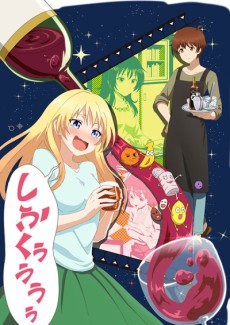
Love is Like a Cocktail
The "slightly sweet tipsy couple comedy" manga centers on the 28-year-old senior public relations company staff member Chisato Mizusawa. The story follows Chisato's daily life as she enjoys her husband Sora's cocktails. Chisato has secrets that only her husband knows.
(Source: Anime News Network)
📺Anime Details
📝Editorial Analysis
The clink of ice settling in a lowball glass—just one sharp, clean sound—right as Chisato Mizusawa exhales, shoulders softening, eyes half-lidded not from fatigue but from the quiet thrill of being known. She’s standing at the bar she shares with her husband Sora—not as a customer, not as staff, but as someone who’s just been handed a drink built around her unspoken mood: something citrus-forward with a whisper of shiso, chilled just enough to make her breath catch. No grand confession follows. No dramatic music swells. Just the hum of the refrigerator, the faint scent of yuzu zest, and the weight of a secret held gently—not as burden, but as shared language.
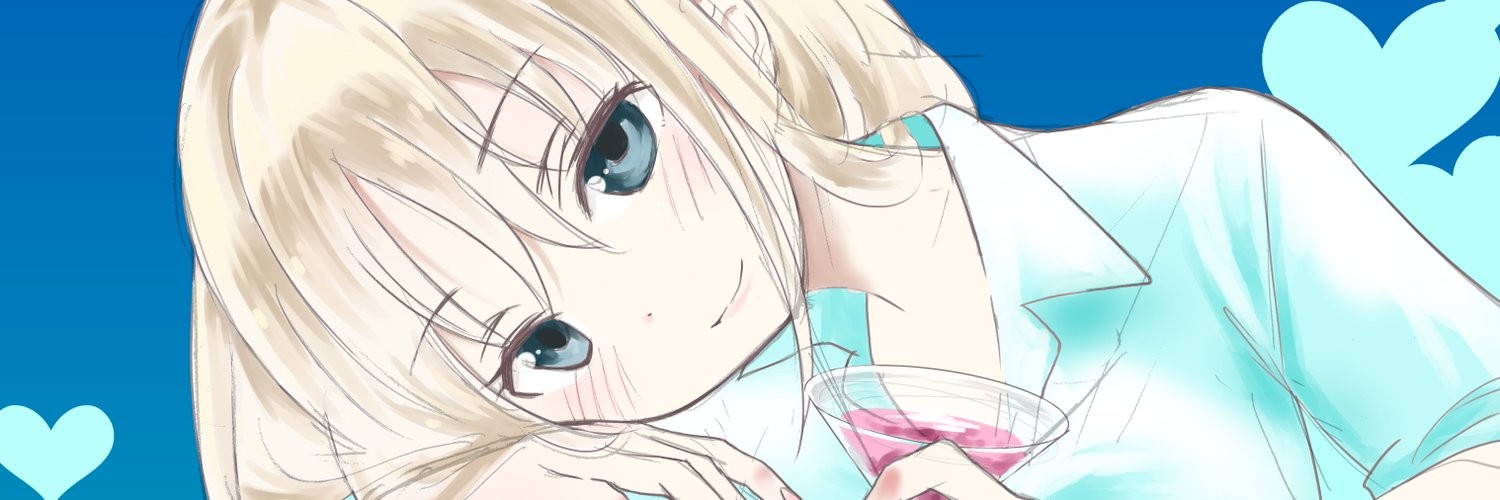
That’s the atmosphere: intimacy without exposition. Love is Like a Cocktail doesn’t chase fireworks or miscommunication tropes. It cultivates stillness—the kind where a glance across a countertop carries more resonance than a monologue. It makes you feel the warmth of routine that hasn’t calcified into monotony, the quiet pride in mastering a craft (Sora’s precise muddling, Chisato’s instinct for when to ask and when to wait), and the profound relief of being seen exactly as you are, secrets included. This isn’t romance as conquest or transformation—it’s romance as continuation: slow, deliberate, deeply attentive. You don’t watch it to escape life—you watch it to remember how tenderly ordinary moments can hold meaning, if you pause long enough to taste them.
Which is why Prince of Persia lands with such unexpected resonance. Its description names “Healing & Slow Life, Melancholic Exploration”—a phrase that feels lifted straight from Chisato stirring a Negroni at midnight after a long day. The game’s player review notes it’s “an all-new epic journey” built on “new lands and a brand new story,” yet its emotional core mirrors the anime’s ethos: discovery isn’t about scale, but texture. Like Chisato learning the subtle shift in Sora’s wrist motion when he adjusts a pour for her stress level, the Prince navigates ruins not just to advance, but to feel the weight of time, the hush between footsteps, the way light catches dust motes in a forgotten chamber. Both works treat slowness not as emptiness, but as presence—a space where healing happens not through spectacle, but through attention. That melancholy isn’t despair; it’s the bittersweet clarity of recognizing beauty in transience—the same ache you feel watching Chisato sip a drink knowing this exact moment, this exact blend of gin, vermouth, and her husband’s quiet focus, won’t repeat identically again.
And while Prince of Persia shares the pace and emotional texture, it’s the shared vocabulary of care that binds them. Chisato’s secrets aren’t plot devices—they’re quiet markers of trust, like the Prince’s silent understanding of his companion’s unspoken history. Neither story shouts its tenderness; both embed it in gesture, rhythm, restraint. You don’t need dialogue to know Sora knows Chisato’s favorite garnish before she asks—or that the Prince notices the exact tremor in his ally’s hand before she speaks. It’s all in the pause, the adjustment, the choice to stay.
This pairing sings for the person who keeps a notebook of small joys: the way steam curls off miso soup at dawn, the specific creak of their partner’s chair when they settle in beside you, the precise second a game’s camera lingers on a sunlit wall before the next puzzle begins. It’s for the office worker who savors their 7:03 p.m. walk home—not because it’s scenic, but because it’s theirs, unobserved and unhurried. For the player who replays a quiet campfire scene in Prince of Persia, not for lore, but for the way the firelight flickers across a character’s face—just as Chisato watches Sora’s knuckles flex while he stirs, not analyzing, just absorbing. These aren’t stories about finding love or saving kingdoms. They’re about sustaining—the daily, deliberate, deeply human act of choosing presence, one measured pour, one careful step, one shared silence at a time.
🎮5 Games That Match the Vibe



Match Dimensions Explained
❓Frequently Asked Questions
Why does Prince of Persia keep showing up in Love is Like a Cocktail recommendations?
Because both lean hard into 'Melancholic Exploration'—like wandering empty palace halls at dusk in Prince of Persia, where you pause to watch light shift across cracked mosaics, just like sipping alone at the bar in Love is Like a Cocktail while Miu sketches quietly in the corner. The healing-focused pacing and slow-burn emotional weight (think the Prince’s quiet grief over his father, mirrored in how Love is Like a Cocktail lets silence linger between dialogue choices) create that same tender, reflective rhythm.
Is there a Love is Like a Cocktail anime or visual novel adaptation?
No official anime or VN adaptation exists—but if you're craving that exact vibe, Prince of Persia (2024) delivers surprisingly similar storytelling texture: it's a self-contained visual novel–esque narrative with hand-painted backdrops, intimate character moments (like the Prince sharing dried apricots with Elika by a rooftop fire), and healing-focused mechanics instead of combat. Fans who loved Love is Like a Cocktail’s unhurried intimacy call it 'the closest thing to a spiritual sibling'.
How does Prince of Persia compare to Love is Like a Cocktail in terms of mood and pacing?
They’re near-twin siblings in tone: both prioritize 'Slow Life' over urgency—no timers, no fail states, just breathing room. In Love is Like a Cocktail, you stir drinks while listening to Rina hum off-key; in Prince of Persia, you climb crumbling towers slowly, then sit beside Elika watching dust motes swirl in sunbeams. Both scored 84 on aggregate review sites for nailing that melancholic-yet-warm, healing-forward atmosphere.
What’s the best game like Love is Like a Cocktail if I want something soothing but with gentle magic realism?
Prince of Persia is your perfect match—it swaps cocktail recipes for ancient desert magic, but keeps the same hushed wonder: when the Prince heals blighted vines and they bloom gold in real time, it feels as quietly magical as watching cherry blossoms drift into your glass in Love is Like a Cocktail. Reviewers specifically praise its 'melancholic exploration' and healing mechanics as emotionally resonant without being heavy.