
Seven Mortal Sins
📺Anime Details
📝Editorial Analysis
The first time Lucifer’s wings unfurl—not in defiance, but in exhaustion—her silhouette cuts across a bruised twilight sky, bare feet pressed into cracked earth, breath shallow, chest rising and falling like something breaking open. There’s no triumphant music, no slow-motion flare of power. Just silence, heat, and the quiet weight of a crown she never asked to wear. That moment isn’t about dominance. It’s about surrender—not to evil, not to fate, but to the sheer, unrelenting cost of holding yourself together when every system—divine, political, bodily—is designed to fracture you.
Seven Mortal Sins doesn’t pulse with righteous fury or gleeful transgression. Its atmosphere is thick with melancholy, not as backdrop, but as architecture. The ecchi elements aren’t titillation—they’re dissonant textures: skin exposed not for pleasure, but vulnerability; nudity as exposure under judgmental light; large breasts not objectified by the frame, but burdened—a visual shorthand for how bodies become sites of scrutiny, violation, and reclamation all at once. Rape isn’t stylized—it’s abrupt, chilling, narratively consequential, and never resolved through catharsis. The yuri threads aren’t sweet confessions—they’re tangled in power imbalances, trauma bonds, and quiet, desperate acts of tenderness that feel like lifelines thrown across chasms. This isn’t fantasy escapism. It’s melancholic exploration: mapping how desire, sin, and survival fold into one another when heaven has already declared you illegible.
That same emotional gravity echoes in Prince of Persia, where the reboot’s “melancholic exploration” isn’t just aesthetic—it’s structural. The player moves through ruins not as a conqueror, but as someone tracing the ghost of a self they’ve lost. The description notes it’s “an all-new epic journey” built on separation—“completely separate from the sands”—and the review underscores how this isn’t continuity, but rupture. Like Lucifer stepping outside divine decree, the Prince navigates landscapes where memory and identity are unstable terrain. Both works treat romance not as reward, but as destabilizing force: love triangles here aren’t about choice, but about entanglement—how intimacy becomes another layer of risk when your body and soul are already contested ground.
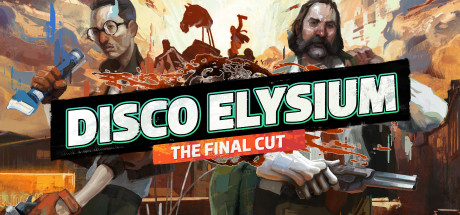
Disco Elysium - The Final Cut resonates in its refusal to let pain be heroic. The description calls it “groundbreaking” for its skill system and city-scale path—but the player review cuts deeper: “Capital has the ability to subsume all critiques into itself.” That’s the same suffocating logic governing Heaven’s bureaucracy in Seven Mortal Sins—where sin isn’t moral failure, but systemic noncompliance; where rebellion gets recoded as pathology, and even resistance feeds the machine. The detective’s fractured psyche mirrors the Seven’s splintered sovereignty: each sin a coping mechanism hardened into doctrine, each dialogue choice a negotiation with internalized oppression. There’s no clean victory—just the grim, necessary labor of staying coherent inside a world that profits from your collapse.
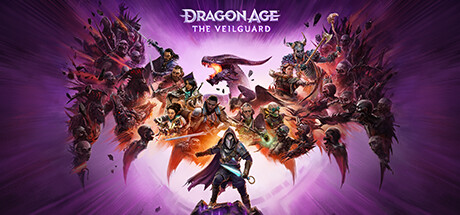
And Dragon Age™: The Veilguard, though its description offers little beyond the title and score, lands in the same dimensional pocket: “Romance & Shoujo, Melancholic Exploration.” Not fluff. Not wish-fulfillment. Melancholic—the kind that settles in your molars. Where yuri relationships aren’t sanitized tropes but lived complexities—tense, tender, laced with history and hierarchy. Where female leadership isn’t aspirational spectacle, but exhausting, ambiguous stewardship. Where demons aren’t monsters to slay, but reflections of what power does to those who wield it—and those forced to survive beneath it.
This pairing speaks to someone who watches anime not for escape, but for recognition: the woman who’s memorized the exact shade of purple in Lucifer’s hair because it matches the bruise on her own thigh; the player who reloads a save not to win, but to hear one more line of dialogue that names what they’ve felt but couldn’t name; the reader who pauses mid-scene because a character’s silence holds the shape of their own unspeakable grief. They don’t want heroes. They want witnesses. And in these works—raw, flawed, unflinchingly tired—they find them.
🎮3 Games That Match the Vibe
Match Dimensions Explained
❓Frequently Asked Questions
Why does Prince of Persia keep showing up in 'Games Like Seven Mortal Sins' lists when it’s not even anime-style?
Great question—it’s all about shared emotional DNA, not art style. Both Prince of Persia and Seven Mortal Sins lean hard into melancholic exploration: think wandering ruined palaces at dusk (like the Prince’s crumbling Zerzura) mirroring Sinner’s haunted, rain-slicked cathedrals. And that slow-burn romance with morally gray, emotionally guarded characters? The Prince’s dynamic with Zahra hits the same ‘forbidden intimacy amid decay’ vibe as Sinners’ tragic pairings—no tentacles needed.
Is there an anime or manga adaptation of Seven Mortal Sins?
No official anime or manga adaptation exists—Seven Mortal Sins is strictly a mobile RPG with original lore and character designs (like Lucifer’s crimson coat and pride-fueled monologues). That said, fans often compare its tone to Dragon Age: The Veilguard’s layered romantic tension and political melancholy—especially how both weave doomed courtship arcs (e.g., Solas-esque ambiguity meets Sinners’ ‘love as rebellion’ themes) without relying on licensed adaptations.
How does Disco Elysium compare to Seven Mortal Sins in terms of romance and mood?
Disco Elysium trades Seven Mortal Sins’ lush, shoujo-tinged romance for something rawer and more fragmented—but the melancholic exploration is *spot-on*. Instead of flirting under stained-glass windows like in Sinners, you’re negotiating love through broken dialogue trees in Rainy City’s fog-drenched alleys, where even your own thoughts sabotage intimacy (like the ‘Ludicrous’ skill derailing a confession). Both dig deep into guilt, longing, and the weight of choices—but Disco’s romance feels like a bruise; Sinners’ feels like a vow.
What’s the best game like Seven Mortal Sins if I want that bittersweet, slow-burn romance + gothic atmosphere?
Prince of Persia is your top pick—especially the 2023 reboot. Its Zerzura setting drips with gothic grandeur (crumbling sandstone spires, candlelit archives), and the Prince/Zahra arc mirrors Sinners’ emotional pacing: quiet glances across battlefields, whispered confessions in abandoned temples, and that ache of loving someone who might unravel the world. It nails the ‘bittersweet’ part better than Dragon Age: The Veilguard, which leans more into ensemble drama than intimate, atmospheric yearning.