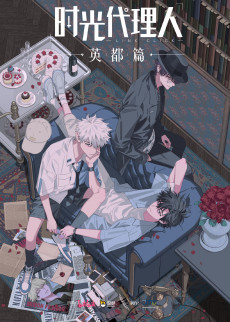
Link Click: Bridon Arc
In order to save the deceased Cheng Xiaoshi, Lu Guang returned to the beginning and started anew along the path of destiny. However, a photograph carrying clues about Cheng Xiaoshi's parents appeared at the Time Photo Studio. To uncover the truth, Lu Guang, with a heart full of anxiety, went to Yingdu with Cheng Xiaoshi. Facing people with different purposes, such as the seemingly friendly popular model Xia Fei, the eccentric leader of Chinatown Vein, and the mysteriously appearing Liu Xiao... can Lu Guang break the destined dead end?
(Source: Bilibili)
- The first episode aired with a runtime of ~65 minutes.
📺Anime Details
📝Editorial Analysis
The flicker of a developing photograph in a dim studio—chemical scent sharp and metallic, paper curling at the edges as a face emerges not from memory but from time’s residue. Lu Guang stares at Cheng Xiaoshi’s parents, frozen mid-laugh in a frame that shouldn’t exist—not yet, not ever—and his breath catches not from shock, but from the quiet, gut-level dread of recognizing how much love has already been buried. That moment isn’t about power or plot mechanics. It’s about standing in a doorway between what was and what could have been, holding proof that grief doesn’t erase people—it just folds them into the wallpaper of your present.

What makes Link Click: Bridon Arc ache so precisely is its refusal to let time manipulation feel heroic. There’s no triumphant rewind, no clean do-over. Every return is weighted—by Lu Guang’s exhaustion, by Cheng Xiaoshi’s quiet age-regressed vulnerability, by the urban decay of Yingdu’s alleys where neon bleeds into rain-slicked concrete and every stranger’s smile might be a delay tactic or a trap. This isn’t urgency—it’s suspension: the emotional gravity of knowing you’re racing toward a truth that won’t fix anything, only clarify how deeply broken things already are. You don’t feel empowered watching it. You feel tethered—to loss, to loyalty, to the small, stubborn warmth of two boys sharing instant noodles in a cramped apartment while the world outside hums with unseen consequences. It’s urban fantasy stripped of wonder, leaving only the raw nerve of what remains when magic can’t resurrect.
That same tethered melancholy lives in Tank Universal, not in its tank combat or Tron-inspired visuals, but in the player review’s quiet collapse of time: “Play cool tank game with dad when you were 6… Grew up dad passes away…” The game itself is loud, kinetic—but the resonance is in how its memory functions like Lu Guang’s photos: a medium that holds vanished presence, where joy and absence coexist in the same pixelated echo. The score (80) flags Emotional Narrative and Melancholic Exploration—not because the game tells a sad story, but because its very structure—learning controls with a parent now gone, revisiting a world that still runs while your context has irrevocably shifted—mirrors the anime’s core tension: moving forward in a system that remembers what you’ve lost, even if you don’t speak its name.
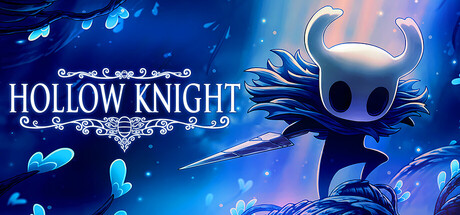
Then there’s Hollow Knight, whose player review praises “Beautiful art style. Great OST. Lovely story.”—but what binds it to Link Click: Bridon Arc is the weight of silence between notes. Its ruined kingdom isn’t haunted by ghosts; it’s haunted by absence made architectural—empty thrones, hollowed-out shrines, insects who whisper half-remembered names. Like Yingdu’s Chinatown, where Vein moves with eccentric precision and Liu Xiao appears without origin, Hallownest’s lore isn’t delivered—it’s recovered, fragmented, emotionally costly. The 71 score highlights Melancholic Exploration and Emotional Narrative: not because you’re told to feel sorrow, but because every cavern you descend feels like walking through someone else’s unlived life—just as Lu Guang walks through Cheng Xiaoshi’s past, not to change it, but to finally see it.
Even Space Trader: Merchant Marine, with its low score and janky Doom-engine charm, echoes this. The player calls it “a funny little game” doing “mini fetch quests”—but that offhand tone mirrors how Link Click: Bridon Arc treats its own stakes: bureaucratic layers of deception (Xia Fei’s model persona, Vein’s coded loyalties), small transactions of trust, bribes of honesty, bullet-pointed betrayals. Its 53 score still anchors Emotional Narrative and Melancholic Exploration—not in grand tragedy, but in the weariness of keeping accounts when the ledger is written in relationships, not credits.
This pairing isn’t for fans of catharsis or closure. It’s for the ones who rewatch the scene where Lu Guang hesitates before dialing a number he knows will fracture something—and recognize themselves in that pause. For players who replay Hollow Knight’s City of Tears not for the boss fights, but to sit on a bench and listen to the rain. For anyone who’s ever held an old photo, not to remember the joy, but to measure how far they’ve walked from the person who took it. These aren’t stories about saving the world. They’re about carrying one another, carefully, across time’s uneven floor—tired, tender, true.
🎮11 Games That Match the Vibe


Match Dimensions Explained
❓Frequently Asked Questions
Why does Tank Universal feel so emotionally resonant despite being a tank shooter?
It’s all in the melancholic exploration and emotional narrative layers — like when you’re piloting your neon-lit tank through the silent, rain-slicked ruins of Neo-Zenith, hearing those haunting synth echoes while flashbacks of your dad’s voice (from the player review) subtly layer into the ambient track. That bittersweet tone mirrors Link Click’s Bridon Arc in how it wraps action in quiet, personal loss — same vibe as Hollow Knight’s silent halls of Deepnest or Space Trader’s lonely jump between derelict stations.
Is there an anime adaptation of Tank Universal or Hollow Knight that captures the Bridon Arc mood?
No official anime adaptations exist for either Tank Universal or Hollow Knight — but Hollow Knight’s official animated short *The Pale King* nails that exact Bridon Arc blend of solemn beauty and emotional weight, especially in its slow pans across crumbling insect temples and the quiet grief in Hornet’s stillness. Tank Universal has no adaptation, but its Tron-inspired visuals and generational memory theme (per the player review about playing with dad) make it *feel* like an unmade anime about legacy and loss.
How does Hollow Knight compare to Space Trader: Merchant Marine for someone who loved Bridon Arc’s slow-burn atmosphere?
Hollow Knight leans hard into melancholic exploration — think descending into the Abyss with only your nail and the weight of forgotten gods — while Space Trader’s doom-engine aesthetic gives you that same lonely, low-stakes drifting (buying rusted thrusters on a dying station), but with absurd humor undercutting the sadness. If Bridon Arc’s mood is ‘quiet sorrow with sudden warmth,’ Hollow Knight delivers it in every abandoned bench in Dirtmouth; Space Trader delivers it in a grumpy alien merchant shrugging as your cargo pod floats away… again.
What’s the best game like Link Click: Bridon Arc if I want something deeply atmospheric but not punishingly hard?
Go with Tank Universal — its emotional narrative and melancholic exploration hit the Bridon Arc sweet spot without Hollow Knight’s brutal nailmaster fights or precise platforming. You’ll cruise through glowing vector tunnels, hear that nostalgic hum of old hardware, and feel that same gentle ache from the player review’s ‘dad passes away’ moment — all while dodging enemy fire at your own pace, not yours or the game’s.