
GOBLIN SLAYER
A young priestess has formed her first adventuring party, but almost immediately they find themselves in distress. It's the Goblin Slayer who comes to their rescue--a man who's dedicated his life to the extermination of all goblins, by any means necessary. And when rumors of his feats begin to circulate, there's no telling who might come calling next...
(Source: Yen Press)
📺Anime Details
📝Editorial Analysis
The smell of wet earth and copper hits before the light does—before the goblin’s scream cuts off mid-breath. A rusted short sword, notched and dark at the edge, pulls free from a throat. The Goblin Slayer doesn’t blink. He doesn’t pause to wipe his blade. He steps over the twitching body, boots sinking into mud already slick with older blood, and scans the next tunnel mouth—not for magic, not for glory, but for movement. For pattern. For the next thing that wears a face just human enough to make you hesitate.
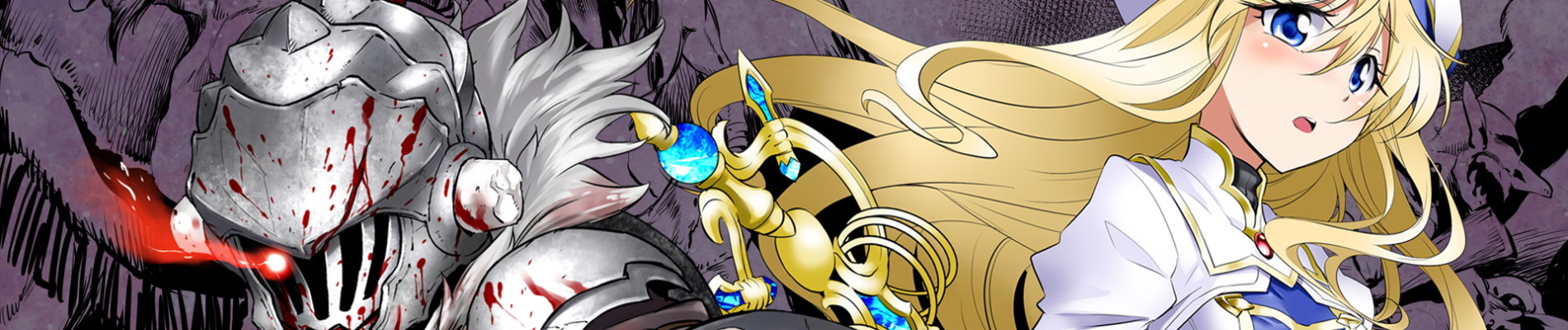
That’s the feeling GOBLIN SLAYER lives inside: relentless, unblinking, pragmatic horror. Not spectacle. Not catharsis. It’s the weight of trauma worn like armor—dull, scarred, functional. This isn’t fantasy as escape. It’s fantasy as autopsy: peeling back the mythic veneer to expose what happens after the hero leaves the tavern, after the quest log updates, after the priestess stops trembling long enough to ask, “Why do you only kill goblins?” The answer isn’t noble. It’s personal. It’s quiet. And it stains everything—even the soft light filtering through stained glass in the temple where the priestess prays, her hands still shaking as she lights a candle for someone who won’t be coming home.
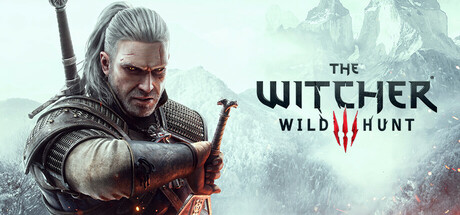
That emotional DNA—the way dread settles in the bones, not just the stomach—echoes unmistakably in The Witcher 3: Wild Hunt, where Geralt tracks Ciri across a continent rotting from war and monstrosity, not because he believes in destiny, but because he chose her. The description calls it “war-torn, monster-infested”—but what makes it kin to GOBLIN SLAYER is how the horror lives in the margins: in the mother begging Geralt to kill her infected child, in the silence after a contract ends not with triumph, but exhaustion and ash. A player review notes the DLC arrived 11 years later, and yet the game “keeps getting better”—because its emotional core isn’t built on escalation, but on accumulation: each choice, each corpse, each unspoken grief adding another layer to the weight Geralt carries. Like the Goblin Slayer, Geralt doesn’t rage. He endures. He adapts. He kills because the alternative is worse—and worse is always, always waiting in the next clearing.
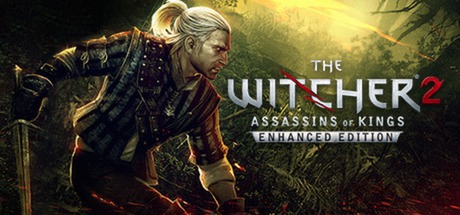
Then there’s The Witcher 2: Assassins of Kings Enhanced Edition, where the description frames a world where “armies on the march are not enough to stop a b” — the sentence cuts off, just like so many lives do in GOBLIN SLAYER. That fragmentation is the tone. A player review calls it “more thoughtfully designed than the next entry,” praising its tight, consequential design—no filler, no safe zones, no narrative breathing room. You’re not guided through trauma; you’re immersed in its architecture. When the Goblin Slayer methodically checks every crevice of a goblin lair—testing floorboards, listening for breath behind walls—that’s the same meticulous, almost clinical attention to consequence that defines The Witcher 2’s branching paths. Both refuse the comfort of moral distance. Both force you to live in the aftermath, not just witness it.
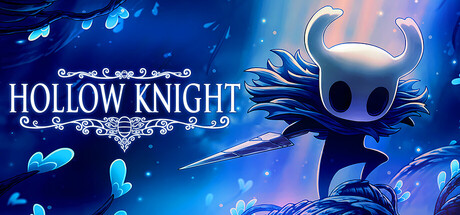
And then—unexpected, but undeniable—comes Hollow Knight. Its description promises an “epic action adventure through a vast ruined kingdom of insects and heroes,” but the player review zeroes in on what binds it to GOBLIN SLAYER: “-Beautiful art style. -Great OST. -Lovely story. -Hard gameplay.” That “hard gameplay” isn’t just difficulty—it’s emotional friction. Every boss fight in Hollow Knight feels earned not by leveling up, but by learning. By watching. By failing, dying, returning—just as the Goblin Slayer returns to the same tunnels, the same traps, the same stench, because goblins learn, too. The tragedy isn’t that the kingdom fell. It’s that its ruins still breathe. That memory persists in cracked murals and hollowed-out saints. Like the priestess’s trembling hands or the Goblin Slayer’s silent rituals before battle, Hollow Knight’s sorrow isn’t shouted—it’s etched into the silence between notes of the OST, into the way light catches dust motes in abandoned chapels.
This pairing isn’t for fans of “dark fantasy” as aesthetic. It’s for the ones who flinch at the sound of a snapped twig in a quiet forest—because they know what follows. For players who replay Dragon Age: Origins not for romance options, but for the pause-and-plan combat that forces them to consider every swing, every spell, every ally’s exhaustion. For viewers who remember the priestess’s first real kill—not as triumph, but as a choked breath, a hand refusing to unclench. These are stories for people who understand that revenge isn’t fire—it’s frost. Slow. Unyielding. And colder, always, than the thing it chases.
🎮12 Games That Match the Vibe


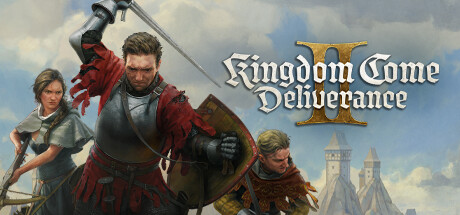
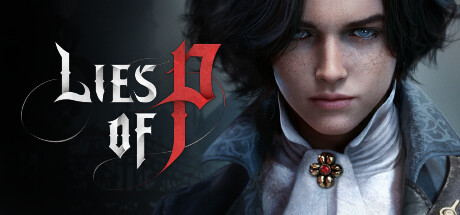
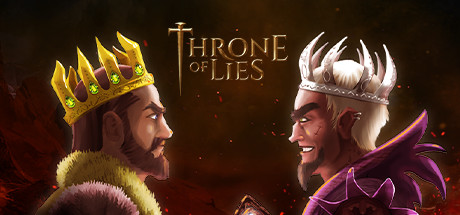
Match Dimensions Explained
❓Frequently Asked Questions
Why is The Witcher 3 always the top match for GOBLIN SLAYER fans?
Because both lean hard into grim, grounded monster-slaying with zero fantasy glamour—Geralt’s contracts feel like Goblin Slayer’s raids: methodical, brutal, and emotionally heavy. You’ll recognize the same vibe in scenes like the Bloody Baron’s estate or the goblin-infested mines of Novigrad, where moral ambiguity and visceral combat (like parrying a wraith mid-lunge) hit just as hard as Goblin Slayer’s ambushes in the ruined temple.
Is there a GOBLIN SLAYER video game adaptation?
No—there’s no official GOBLIN SLAYER game yet, despite years of fan demand and manga/anime success. But if you want that exact tone—gritty, tactical, low-fantasy horror—you’ll get closest with The Witcher 2’s siege of Loc Muinne or Dragon Age: Origins’ tainted wilds, where pausing mid-battle to flank a darkspawn shriek or reposition your archer mirrors Goblin Slayer’s squad coordination under pressure.
Hollow Knight vs. The Witcher 3—which feels more like GOBLIN SLAYER?
Hollow Knight nails the oppressive, insectoid dread and silent, lone-hero grit—think the City of Tears’ rain-soaked ruins or the Hollow Knight’s final descent into the Abyss—but The Witcher 3 wins on narrative weight and tactical slaying realism. Geralt’s fight against the Botchling in the swamp (with its tragic backstory and precise timing) hits the same emotional + mechanical sweet spot as Goblin Slayer’s first goblin lair raid.
What’s the best GOBLIN SLAYER-like game for when I want bleak, quiet tension—not epic battles?
Hollow Knight is your answer—its slow, melancholic exploration of Hallownest’s decaying bug-kingdom (like the silent, lantern-lit depths of Deepnest) channels that same suffocating isolation and lurking dread. You won’t find grand speeches or party banter; just you, your nail, and the faint echo of something skittering just out of sight—exactly like Goblin Slayer’s tense hallway crawls before the blade drops.