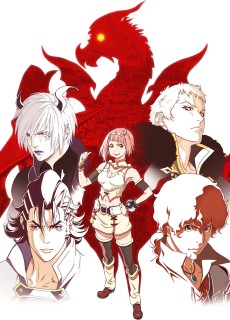
Rage of Bahamut: Virgin Soul
10 years after the event, humans at the royal capital gather wealth, the demons are enslaved to assist with the capital's revival, and the gods lose their power due to a decrease in religious piety. The world is thrown off balance as humans, gods, and demons hold their own ideas of justice.
(Source: Anime News Network)
📺Anime Details
📝Editorial Analysis
The air in the royal capital tastes like burnt sugar and iron—sweet wealth piled atop the sweat of collared demons hauling marble for palaces they’ll never enter. A human overseer cracks a whip not to wound, but to remind: you are labor, not life. Ten years after Bahamut’s near-awakening, the silence isn’t peace—it’s pressure building beneath floorboards, under prayer mats stripped of incense, inside gods who’ve forgotten how to thunder.
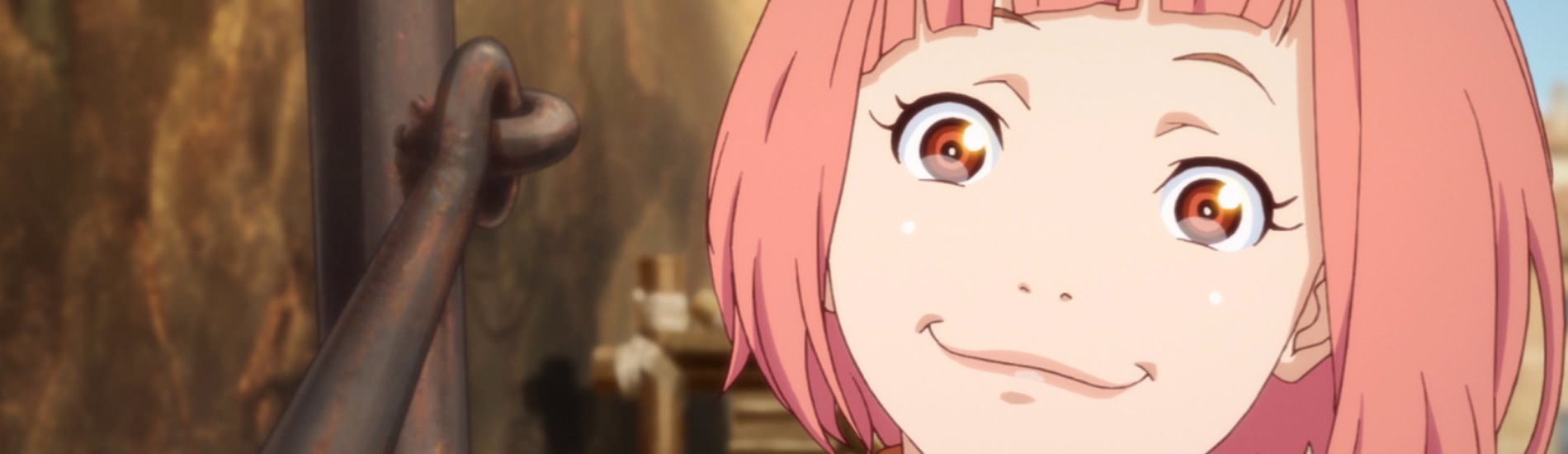
That’s the ache Rage of Bahamut: Virgin Soul lives inside: a world where justice has fractured into three incompatible languages—human law, demonic survival, divine erosion—and no translation exists. It doesn’t romanticize rebellion; it shows the grit of it—the chafed wrists of enslaved demons, the hollow echo in a priest’s empty temple, the way a noble’s silk glove hides a trembling hand as he signs an edict condemning his own cousin for “sympathizing with the chained.” This isn’t high fantasy spectacle. It’s weight: the weight of inherited sin, of piety turned transactional, of power that calcifies when no one believes in it anymore. You don’t feel wonder here—you feel dread, yes, but also something sharper: recognition. That flicker when you realize the real monster isn’t Bahamut sleeping underground—it’s the slow, sanctioned rot of compromise dressed as progress.
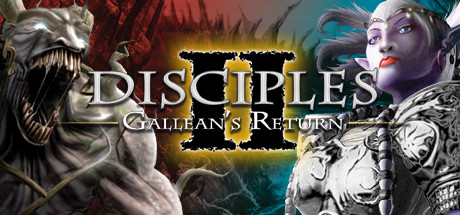
Which is why Disciples II: Gallean's Return lands like a gut-punch. Its description names it outright: Dark Fantasy, Tactical Warfare—not heroic last stands, but grim calculus. You don’t command armies; you maneuver factions where every unit carries ideological baggage: undead legions aren’t just enemies—they’re former villagers resurrected by desperate mages who’ve lost faith in resurrection and in mercy. A player review nails it: “Best Disciples ever… Awesome atmosphere and gameplay!” That atmosphere? The same suffocating moral ambiguity as the capital’s gilded streets—where choosing to spare a demon commander might collapse your supply lines, and burning a shrine to weaken a god may starve your own people of harvest blessings. Victory feels less like triumph and more like triage. Both Virgin Soul and Disciples II force you to weigh salvation against survival—not as abstract choices, but as wounds you carry forward, turn by turn.
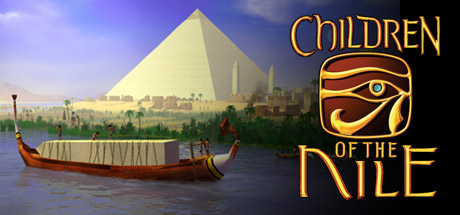
Then there’s Children of the Nile: Enhanced Edition, tagged Mythology & Folklore, Tactical Warfare. Its description calls it “a unique gem… unparalleled in both grandeur and attention to detail”—and that’s the key. You don’t play as a warrior or a prophet. You’re Pharaoh, watching grain stores dwindle while priests whisper that the sun god’s light dims because offerings have thinned. A player review aches with devotion: “I can't describe in words how many hours I have lost… how painful it is for me to play right now.” That pain? It’s the same quiet horror of Virgin Soul’s opening montage: humans feasting in banquet halls while chained demons scrub bloodstains from mosaic floors—because the city must shine. In both, divinity isn’t magic—it’s infrastructure. When piety drops, temples crumble literally, just as gods fade in Virgin Soul. You don’t fight gods; you watch them starve, inch by inch, as civic pride replaces prayer, and your greatest tactical challenge isn’t siege warfare—it’s managing the slow, irreversible collapse of meaning.
These aren’t pairings about dragons or swords. They’re about consequence made tangible. About systems—social, spiritual, political—that don’t break all at once, but erode like riverbanks: silently, inevitably, until the flood comes and everyone blames the water instead of the dam they built themselves.
This is for the viewer who watches a character choose loyalty over truth and feels their throat tighten—not because it’s wrong, but because they’ve made that choice too. For the player who spends hours balancing temple upkeep against granary yields, knowing that one drought could turn hymns into riots. For anyone who’s ever stood in a beautifully lit room and felt, deep in their molars, the vibration of something ancient and unmoored grinding just beneath the floor. Not escapism. Not catharsis. Resonance.
🎮4 Games That Match the Vibe

Match Dimensions Explained
❓Frequently Asked Questions
Why does Rage of Bahamut: Virgin Soul feel so different from Disciples II: Gallean's Return even though both are dark fantasy tactical games?
Because Virgin Soul leans hard into anime-style character-driven storytelling and real-time-ish card-based combat (think summoning Bahamut mid-battle to nuke a row), while Disciples II is pure turn-based hex-grid warfare with grim, atmospheric unit management—like commanding undead legions across cursed wastelands in the 'Dark Prophecy' campaign. The vibe shift is massive: one’s a flashy mobile JRPG spectacle, the other’s a slow-burn, lore-dense strategy sim where you’ll agonize over whether to upgrade your Death Knight or recruit a new Necromancer.
Is there an anime adaptation of Children of the Nile: Enhanced Edition?
Nope—zero anime adaptations exist for Children of the Nile. It’s a deeply grounded, historically inspired city-builder rooted in Egyptian mythology (not flashy gods-as-heroes like Virgin Soul), and its quiet, immersive simulation—like watching citizens spontaneously build temples to Ra or starving during a failed Nile flood—has never been adapted into animated form. Fans just keep replaying it because, as one reviewer said, 'I can’t describe in words how many hours I’ve lost to this game.'
How does Children of the Nile: Enhanced Edition compare to Rage of Bahamut: Virgin Soul in terms of mythology handling?
Virgin Soul treats mythology like a glittering power fantasy—gods like Anubis or Bastet are flashy 5-star summons with cinematic ultimates—but Children of the Nile makes mythology *lived-in*: your citizens pray to Osiris for bountiful harvests, priests gain influence based on temple upkeep, and failing to honor deities literally causes unrest. It’s not about summoning gods—it’s about managing their cultural weight across millennia, which is why fans call it 'unparalleled in grandeur and attention to detail.'
What’s the best game like Rage of Bahamut: Virgin Soul if I’m craving that same emotional rush of summoning legendary beings but want deeper strategy?
Disciples II: Gallean's Return is your answer—especially the 'Guardians of the Light' expansion where you command angelic legions against apocalyptic forces. It swaps Virgin Soul’s tap-and-swipe combat for deliberate, grid-based tactics where summoning a Fallen Angel isn’t just a cutscene—it’s a high-risk, high-reward move that reshapes the battlefield. With a 72 Metacritic score and fans calling it 'the best Disciples ever,' it delivers that mythic scale without sacrificing strategic weight.