
Persona 3 the Movie: #1 Spring of Birth
📺Anime Details
📝Editorial Analysis
The clock strikes midnight on Tatsumi Port Island, and the world stops. Not in silence—but in a suffocating, metallic hush, as if time itself has been wound too tight and is about to snap. The protagonist stands alone in the rain-slicked alley, breath shallow, fingers brushing the cold grip of his Evoker—not a weapon, not yet, but a promise of violence wrapped in ritual. Around him, the city glows with false warmth: neon signs flicker like dying stars, students laugh just out of frame, and somewhere, a train rattles toward dawn—oblivious. That moment isn’t about action. It’s about weight: the weight of inherited duty, of grief worn like a second skin, of knowing something vast and indifferent is watching from beyond the fog.
This isn’t just urban fantasy—it’s existential weather. Persona 3 the Movie: #1 Spring of Birth doesn’t trade in wonder or awe; it trades in resignation, in the quiet horror of realizing your life is already measured—not by years, but by how many nights you’ll stand vigil against shadows that shouldn’t exist. The school isn’t a backdrop—it’s a stage where every hallway echo carries the tremor of mortality. The “gods” aren’t benevolent; they’re cosmic pressures wearing mythic masks. The “demons” aren’t monsters to slay—they’re reflections you can’t outrun. What lingers isn’t spectacle, but stillness after impact: the way light fractures across a shattered window, the hollow click of an Evoker chamber spinning, the unspoken understanding between characters who’ve already buried part of themselves before the story begins.
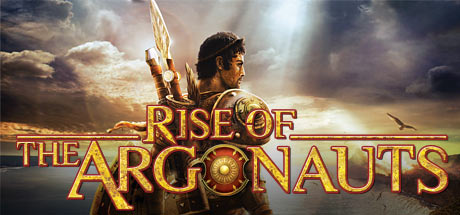
That emotional DNA pulses strongest in Rise of the Argonauts, where Jason’s vow isn’t heroic—it’s desperate, carved into his bones the moment his fiancé falls on their wedding day. The description says he’ll do “anything to restore her life”—not for glory, not for kingdom, but because grief has hollowed him out and left only one direction: forward, into myth’s darkest corridors. A player review calls it “right” for lovers of ancient history—but what it gets right is the same ache that lives in P3’s opening act: the unbearable clarity of loss turning into a compass. Both Jason and the protagonist don’t choose destiny—they’re dragged into it by a wound so deep it reshapes reality around them.
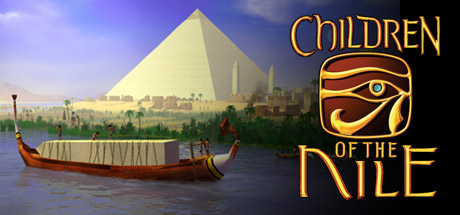
Then there’s Children of the Nile: Enhanced Edition, where you don’t command armies—you shepherd. As Pharaoh, you guide people through “thousands of years of history”, not as a conqueror, but as a steward burdened by time’s sheer scale. The player review aches with devotion: “how many hours I have lost… how painful it is for me to play right now.” That pain isn’t frustration—it’s recognition. Like the protagonist walking past sleeping classmates while the Dark Hour bleeds into the edges of the world, this game makes you feel the weight of continuity—the quiet, grinding responsibility of holding civilization together while knowing, deep down, that all monuments crumble. It’s not about winning. It’s about enduring, and doing it with reverence.
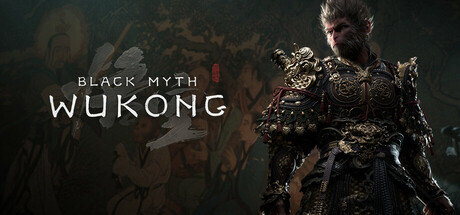
Even Black Myth: Wukong, though its benchmark tool scores lower, shares that same mythic gravity—its dim of “Adult & Dark Seinen” aligning with P3’s refusal to soften its truths. Wukong isn’t just a trickster god—he’s a being unmoored from meaning, wrestling with cycles of rebellion and punishment older than memory. Like the protagonist staring at the Tower card in the Velvet Room, Wukong’s journey isn’t about triumph—it’s about confronting the architecture of fate itself. No easy answers. No clean victories. Just presence, heavy and unblinking, in the face of forces that dwarf individual will.
You’d love these pairings if you’ve ever paused mid-gameplay—not to strategize, but to stare at the rain on a virtual window and feel the same chill the protagonist feels when the clock hits midnight. If you don’t need explosions to feel danger, but can sense it in the space between two lines of dialogue. If mythology, for you, isn’t about gods on mountaintops—but about how ancient stories keep echoing in the way we bury our dead, build our cities, and choose, every day, whether to raise the Evoker—or let the hour pass.
🎮4 Games That Match the Vibe
Match Dimensions Explained
❓Frequently Asked Questions
Why is Rise of the Argonauts listed as similar to Persona 3 the Movie: #1 Spring of Birth?
It shares that brooding, mythic weight and adult-seinen tone—like when Jason kneels beside his murdered fiancée in the ruined temple, mirroring Yukari’s raw grief after her father’s death in the movie’s opening hospital scene. Both use mythic archetypes (Jason as tragic hero, the SEES members as modern-day Orpheus figures) and lean hard into psychological stakes wrapped in ancient symbolism.
Is there a video game adaptation of Persona 3 the Movie: #1 Spring of Birth?
No—there’s no direct game adaptation of the movie itself. The movie is actually an abridged, stylized retelling of the *original Persona 3* game (2006), not a source for a new game. If you’re craving that same vibe, Rise of the Argonauts nails the solemn mythic tragedy and morally gray choices that make P3’s early chapters so haunting.
How does Children of the Nile: Enhanced Edition compare to Persona 3 the Movie in terms of atmosphere?
Totally different pacing—but both immerse you in a world where ritual, fate, and quiet human resilience shape everything. In Children of the Nile, you watch citizens pray at shrines, bury their dead with care, and rebuild after plagues—echoing the movie’s hushed, reverent moments like the midnight vigil at Gekkoukan’s shrine or Mitsuru’s solitary sword practice at dawn.
What if I love the melancholy, rainy-night Tokyo vibe of Persona 3 the Movie but want something more mythic and less JRPG combat?
Then Children of the Nile: Enhanced Edition is your best bet—it trades turn-based battles for slow, tactile city-building where every decision feels spiritually weighted, like choosing which god to honor during a drought. You’ll feel that same atmospheric weight: mist over the Nile, candlelit temples, and characters whose lives unfold with the quiet gravity of Yukari staring out her rain-streaked window.