
Kaiju No. 8
With the highest kaiju-emergence rates in the world, Japan is no stranger to attack by deadly monsters. Enter the Japan Defense Force, a military organization tasked with the neutralization of kaiju. Kafka Hibino, a kaiju-corpse cleanup man, has always dreamed of joining the force. But when he gets another shot at achieving his childhood dream, he undergoes an unexpected transformation. How can he fight kaiju now that he’s become one himself?!
(Source: VIZ Media)
📺Anime Details
📝Editorial Analysis
Rain slicks the asphalt of Tokyo’s ruined district—steam hisses from ruptured pipes, sirens wail in fractured loops, and Kafka Hibino stumbles backward, coughing black ichor, his skin rippling, bones shifting, jaw unhinging just enough to let out a sound that isn’t human but is him. Not a scream. Not a roar. A choked, breathless yes. His left hand—still human—clenches into a fist. His right—scaled, veined with bioluminescent amber—twitches toward a fallen JDF helmet. He’s not hiding. He’s choosing.
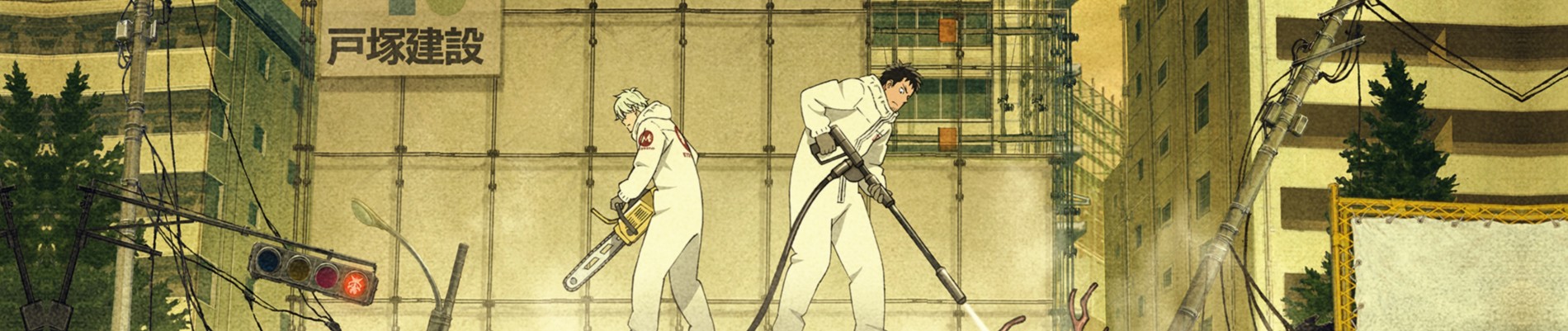
That moment isn’t about power fantasy. It’s about dignity under erasure. Kaiju No. 8 doesn’t thrill you with spectacle alone—it makes you feel the weight of a man who’s spent years scrubbing kaiju viscera off city blocks, whose dream was never glory, but belonging. The military uniforms aren’t just gear—they’re symbols of order he’s been barred from, not by lack of skill, but by class, timing, and the quiet shame of being “just cleanup.” When he transforms, it’s not liberation—it’s complication. Every fight is a negotiation between duty and identity, between the JDF’s rigid chain of command and the terrifying, intimate truth pulsing under his skin. You don’t feel invincible. You feel exposed. And yet—there’s warmth in the way his squad hesitates before firing, in the way a comrade’s hand lingers on his shoulder after a mission, even as Kafka’s pulse thrums too loud, too deep, beneath his collar.
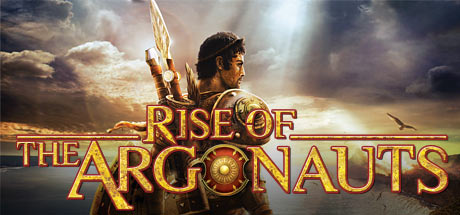
That emotional DNA—the tension between institutional loyalty and bodily betrayal—echoes in games where myth, duty, and transformation collide not as spectacle, but as burden. Take Rise of the Argonauts: Jason isn’t chasing legend—he’s a king hollowed out by grief, swearing oaths that demand he become something else to reclaim what was stolen. Like Kafka, he walks among warriors who see only rank or title—not the tremor in his voice when he kneels before the Oracle. The player review notes it “does [ancient history] right”—and what’s ancient history if not generations of people learning how to wear power like armor while mourning the self they lost along the way?
Then there’s STAR WARS™ Jedi Knight - Jedi Academy™, where you play a Padawan thrust into galactic war before you’ve mastered your own lightsaber form—let alone your fear. The description says you “forge your weapon and follow the path of the Jedi,” but the review quietly confirms it: you’re thrust—not chosen, not ready, not whole. Kafka’s first controlled shift, mid-rescue, fingers locking around a collapsing beam to hold up a schoolhouse while his nails harden into claws—that’s the same energy: competence blooming through instability, mastery earned in real time, under fire, with no cutscene to soften the cost.
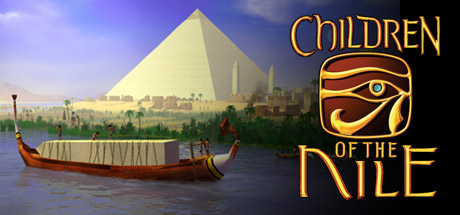
Even Children of the Nile: Enhanced Edition, at first glance a serene city-builder, pulses with this same gravity. As Pharaoh, you don’t conquer—you steward. You watch grain stores dwindle, priests grow restless, workers whisper prayers to gods whose favor feels thin. The review’s ache—“how many hours I have lost… how painful it is for me to play right now”—mirrors Kafka’s exhaustion after a night shift cleaning up after a Category-3 breach, knowing dawn brings another briefing, another lie he’ll have to tell himself about control. It’s not about scale—it’s about responsibility that refuses to fit the body you woke up in.
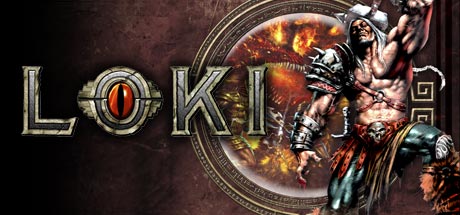
None of these games are about winning. They’re about persisting—within systems that demand conformity, while carrying something inside that refuses to be cataloged. That’s why the glitch-ridden frustration of Loki, with its “annoying crashes” and “anticlimactic” ending, still resonates: the mythic journey isn’t clean. It fractures. It corrupts the save file. You reload—not because you failed, but because the story requires you to keep showing up, even when the engine stutters.
This pairing speaks to the viewer who watches Kafka wipe kaiju bile from his goggles and thinks, I know that grit. To the player who spends three hours balancing temple upkeep in Children of the Nile, not for victory, but because the people depend on the rhythm of their ruler’s hands—even when those hands shake. To anyone who’s ever worn a uniform, literal or metaphorical, and felt the slow, electric dread of wondering: What happens when the thing I’m supposed to destroy… starts breathing in my chest?
🎮9 Games That Match the Vibe

Match Dimensions Explained
❓Frequently Asked Questions
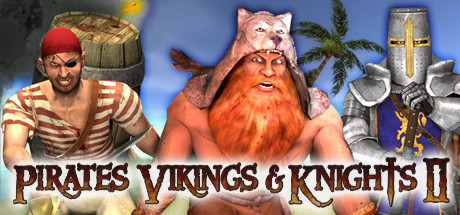
Why does Kaiju No. 8 feel so different from Pirates Vikings & Knights II even though both have giant monster fights?
Because Kaiju No. 8 is all about high-stakes, emotionally charged human-vs-kaiju combat with grounded military tactics and character-driven stakes—like Kafka’s desperate transformations mid-battle—while PVK II leans hard into chaotic, over-the-top 3v3 arena brawling (Pirates vs. Vikings vs. Knights) with zero lore depth or transformation mechanics. PVK II’s ‘giant’ moments are purely comedic spectacle (think Viking berserkers swinging anchors), not the visceral, weighty scale of Kaiju No. 8’s city-leveling showdowns.
Is there a Kaiju No. 8 video game adaptation in development?
No—not yet. There’s no official Kaiju No. 8 game announced or released as of now. If you’re craving that vibe, Rise of the Argonauts nails the mythic action-spectacle energy: Jason’s grief-fueled quest, divine interventions, and cinematic boss battles (like the harpy ambush in the Temple of Hera) deliver the same emotional urgency and larger-than-life stakes fans love.
How does Loki compare to Rise of the Argonauts for mythology-heavy action?
Both score 85 and share Mythology & Folklore + Action Spectacle, but Rise of the Argonauts wins on narrative cohesion and mythic gravitas—Jason’s journey feels urgent and personal, with set pieces like the Clashing Rocks sequence that mirror Kaiju No. 8’s high-stakes escalation. Loki, while ambitious, suffers from jarring glitches and an anticlimactic ending where ‘nothing happens,’ per player reviews—so it’s flashier but far less satisfying story-wise.
What’s the best game like Kaiju No. 8 if I want tactical intensity and emotional weight—not just big explosions?
Children of the Nile: Enhanced Edition is surprisingly strong here—if you shift perspective from ‘action’ to ‘strategic consequence.’ As Pharaoh, every decision (resource allocation, temple construction, priest appointments) shapes your civilization’s survival across millennia—mirroring how Kaiju No. 8 ties Kafka’s personal growth to national defense strategy. It’s slower, yes, but deeply immersive, with players reporting ‘thousands of hours lost’ to its layered systems and quiet, profound sense of legacy.