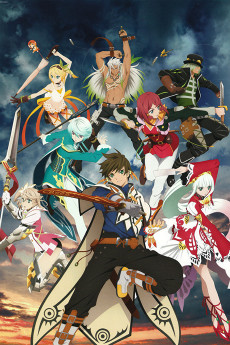
Tales of Zestiria the X Season 2
📺Anime Details
📝Editorial Analysis
The air in the ruined temple shivers—not from heat, but from the weight of a vow spoken too quietly to be heard, yet loud enough to crack stone. Sorey stands barefoot on cracked marble, his sword sheathed, eyes closed, breath steady as a monk’s chant—while behind him, a dragon’s wing blots out the sun, and war drums thud like a failing heart. No music swells. No flash of light. Just that silence before the storm holds, thick with consequence, not spectacle.
That’s Tales of Zestiria the X Season 2 at its core: a fantasy built on restraint. Not absence of action—there’s swordplay, magic flaring like live wires, gods descending in seismic light—but a deliberate refusal to let power erase meaning. The CGI isn’t polished; it’s textured, almost tactile—armor dents visibly, sweat streaks through ash on faces, dragons don’t soar so much as lurch, heavy with ancient bone and older grief. This isn’t myth as grand opera. It’s myth as scar tissue—worn, tender, stubbornly alive. You don’t feel awe first. You feel recognition: the hush before a friend admits something they’ve carried too long. It makes you think about duty not as glory, but as gravity—the kind that bends your spine, slows your steps, and makes every choice matter because it costs something real.
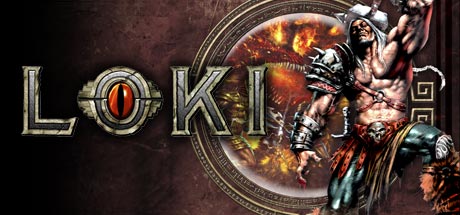
That emotional DNA—mythic weight worn close to the skin, action charged with consequence, not just choreography—resonates sharply with Loki, where players step into roles drawn from “different mythology” and navigate a “fantasy voyage through the great mythologies.” The player review calls it “similar to Diablo… but filled with annoying glitches and game crashes”—and yet, that very roughness mirrors Tales of Zestiria the X Season 2’s CGI: imperfect, sometimes jarring, but never slick. Both refuse to sand down the friction between human scale and divine stakes. When Loki’s Norse fighter stumbles mid-swing or a crash interrupts a ritual, it echoes Sorey’s exhaustion after purifying a corrupted land—not because he’s weak, but because the world resists healing. The anticlimactic ending the reviewer laments? It lands like a sigh, not a betrayal—just as Season 2’s quieter resolutions (a truce held by shared silence, not a final blow) linger precisely because they don’t resolve everything. They leave room for breath. For doubt. For weight.
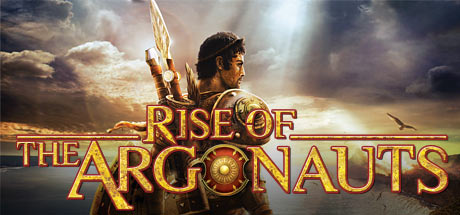
Then there’s Rise of the Argonauts, where Jason—“King of Iolcus,” with “a prosperous kingdom, the respect of his peers, and a beautiful fiancé”—loses it all in an instant, and vows “to do anything to restore her life.” That pivot from stability to sacred obsession is pure Tales of Zestiria the X Season 2: not just war, but war as mourning made manifest. The player review notes it “does [ancient history] right”—not by recreating pottery shards, but by honoring how myth lives in the pulse of loss and devotion. When Sorey kneels in a rain-soaked field, not praying, but listening for a spirit’s echo, it’s the same quiet intensity Jason brings to each oracle’s riddle—not for power, but for one more chance. Both understand that gods aren’t distant—they’re the shape grief takes when it learns to speak in thunder.
And STAR WARS™ Jedi Knight - Jedi Academy™, where you “build out a Padawan—who is then thrust into a Galaxy-spanning adventure to help…”—that “help” is never abstract. The description doesn’t say “save the galaxy”; it says help. Like Sorey helping a child bury her dead brother before drawing his sword. Like Mikleo choosing to stand beside him—not as a weapon, but as witness. The player review’s clipped phrasing (“(Playtime not logged…)”) feels oddly apt: this isn’t about hours logged, but presence earned. Both Jedi Academy and Season 2 treat mastery as humility in motion—light sabers hum with restraint, just as Sorey’s seraphic arts flare only when mercy has already been chosen.
This pairing isn’t for fans of flawless spectacle or tidy myth. It’s for the ones who pause mid-battle to watch dust settle on a broken altar. Who replay a dialogue choice not for optimization, but to hear how a voice cracks on the second try. Who love consequence, not conquest—and who know that the most powerful magic isn’t in the spell, but in the hand that chooses not to cast it.
🎮10 Games That Match the Vibe

Match Dimensions Explained
❓Frequently Asked Questions
Why does Rise of the Argonauts keep coming up in Tales of Zestiria the X Season 2 fan forums?
Because both lean hard into mythic tragedy with personal stakes—Jason’s desperate quest to resurrect his murdered fiancée mirrors Sorey’s vow to heal the world through compassion and sacrifice. The real-time combat, branching dialogue choices affecting relationships (like with Medea or Hercules), and lush, story-driven exploration of ancient Greek locales hit that same emotional + mythological sweet spot fans love in Zestiria’s Seraphim lore and character arcs.
Is there a Tales of Zestiria anime adaptation that matches Rise of the Argonauts’ tone?
No—the Zestiria anime (including Season 2) is an original adaptation *not* based on Rise of the Argonauts, but fans often compare them because both use mythic frameworks to explore grief and destiny: Jason’s vengeance-driven journey parallels Sorey’s burden as a Shepherd, and both feature morally gray mentors (Medea / Mikleo) who challenge the hero’s ideals mid-story.
How does Black Myth: Wukong compare to Tales of Zestiria the X Season 2 in terms of spiritual themes?
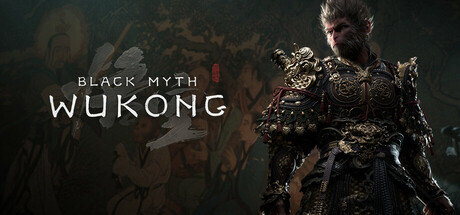
Both dive deep into redemption and divine hierarchy—but where Zestiria frames grace through Seraphim-human bonds (like Sorey & Mikleo’s pact), Wukong tackles it through Buddhist/Taoist metaphors: the Monkey King’s rebellion, imprisonment under Five-Finger Mountain, and eventual enlightenment mirror Zestiria’s ‘malevolence’ vs. ‘grace’ duality. Neither shies from morally complex deities—Wukong’s Buddha echoes Zestiria’s Lord of Calamity as a tragic, fallen god.
What’s the best game like Tales of Zestiria the X Season 2 if I want that bittersweet, myth-heavy vibe with strong partner dynamics?
Rise of the Argonauts—it nails the bittersweet tone (Jason’s wedding-day loss, Medea’s betrayal arc) and builds chemistry through companion quests where allies like Hercules or Atalanta react dynamically to your choices. Loki’s four-mythology roster *sounds* promising, but player reviews call out its anticlimactic ending and glitches—so skip it if you want tight storytelling and emotional payoff like Zestiria delivers with Sorey and Mikleo’s bond.