
Soul Eater
Set in the Shinigami technical school for weapon meisters, the series revolves around 3 groups of each a weapon meister and a human weapon. Trying to make the latter a "Death Scythe" which is the highest title for a weapon and thus fit for use by the Shinigami, they must collect the souls of 99 evil humans and 1 witch.
Maka & Soul Eater, Black Star & Tsubaki, and Death the Kid with Patty and Liz Thompson are the characters Soul Eater revolves around. Besides taking the time to gather souls, these students of Shibusen defend Death City from some of the most powerful of creatures while still attending school and trying to become stronger.
📺Anime Details
📝Editorial Analysis
The chalk-dust smell of the Death Weapon Meister Academy hallway, sharp and dry, mixed with the ozone crackle of Soul Resonance—that is where Soul Eater lives. Not in grand battles first, but in the split second before Maka’s scythe blade shivers, her soul wavelength syncing with Soul’s jagged, blues-tinged resonance—teeth gritted, eyes narrowed, breath held—not as a spellcaster invoking power, but as a student focusing, straining, trusting. The air doesn’t just vibrate; it tightens, like a bowstring drawn too far, humming with the sheer, unpolished effort of becoming something greater than two people.
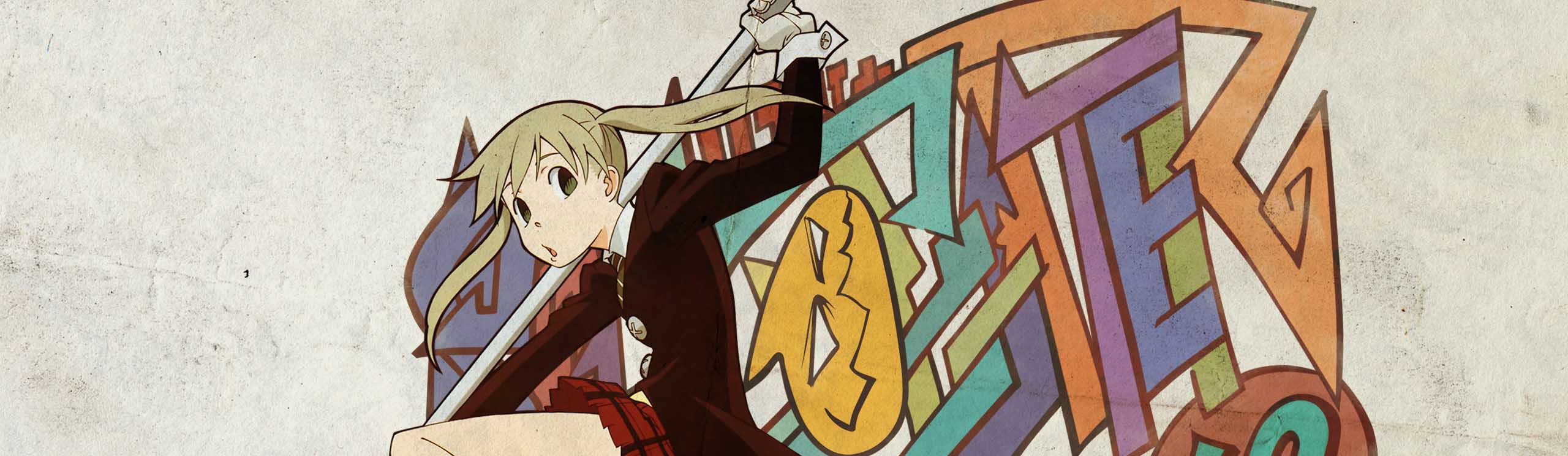
That’s the feeling: earnestness. Not the cool detachment of gods or the weary fatalism of doomed androids—but the raw, slightly clumsy, deeply personal work of forging identity, loyalty, and power together. It’s in Black Star’s shout echoing off marble pillars not as bravado alone, but as a lifeline he throws to himself—and Tsubaki—every time doubt flickers. It’s in Kid’s trembling hands adjusting his collar while Patty giggles and Liz sighs, the symmetry obsession not just quirk but anchor, a ritual against chaos he feels in his bones. This isn’t fantasy as escape; it’s fantasy as training ground—where magic is muscle memory, witches are curriculum hazards, and becoming a Death Scythe isn’t ascension—it’s graduation, earned through 99 souls and one witch, each collection a lesson in fear, ethics, and what kind of weapon you choose to be.
So where does that specific, sweat-and-soul earnestness echo? Not in polished spectacle alone, but where mythic scale meets human-scale stakes and visible effort. Loki, for all its glitches and anticlimactic ending, shares that mythology-as-living-curriculum pulse. Its description calls it a “fantasy voyage through the great mythologies” where you take on the role of heroes drawn from different pantheons—just as Soul Eater treats Norse gods, Egyptian deities, and witchcraft not as distant lore, but as active, dangerous, graded forces within the academy’s walls. The player review’s frustration with crashes mirrors the anime’s own tonal stumbles—its manic comedy crashing into sudden, jarring darkness—but both commit fiercely to their world’s internal logic, demanding the same engagement from audience and player alike.
Rise of the Argonauts resonates deeper still. Its description centers Jason—a king stripped bare by grief, vowing anything to restore his fiancé—echoing Soul Eater’s core engine: love as catalyst, loss as fuel for transformation. The player review praises how it “does [ancient history] right,” not as museum piece, but as breathing, consequential world—exactly how Soul Eater treats its supernatural hierarchy. Death City isn’t backdrop; it’s a character shaped by Shinigami’s rules, witch covens’ politics, and the very real weight of soul collection. Both ask: What do you sacrifice when your heart demands power? And crucially, they show the process—Jason assembling his crew, Maka mastering Soul Resonance—not as montage, but as iterative, often messy, practice.
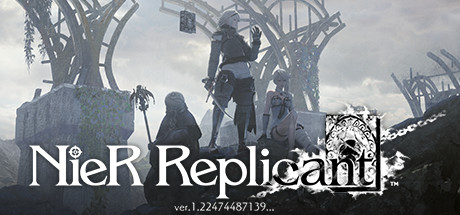
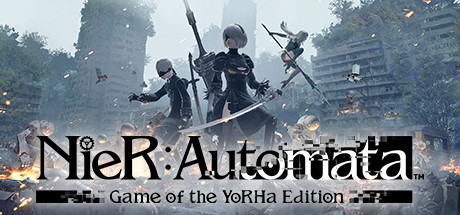
Even NieR:Automata™, despite its colder, more philosophical surface, pulses with a shared resonance of purpose. Its description frames androids locked in endless battle against machines, while the player review cuts to the core: “We’re trapped in a never-ending spiral of life and death.” That’s the quiet horror beneath Soul Eater’s school comedy—the 99+1 soul requirement isn’t arbitrary; it’s a brutal metric forcing characters to confront the cost of power, the line between justice and consumption, the loneliness of being designed for war. 2B’s stoicism mirrors Maka’s resolve; 9S’s spiraling questions mirror Kid’s existential dread about asymmetry and order. Both refuse easy answers, making the feeling of striving—desperately, beautifully, imperfectly—the true protagonist.
This pairing sings for the viewer who cries during a training montage, who replays a boss fight not for the win, but for the way the character’s voice cracks mid-battle cry. For the player who saves before every dialogue choice in Rise of the Argonauts, not for optimization, but because Jason’s grief feels real enough to warrant reverence. For the one who stares at the NieR:Automata™ credits, not at the spectacle, but at the quiet hum of the soundtrack—that same vibration as Maka and Soul’s first shaky resonance. They don’t want power fantasies. They want soul work. And they’ll recognize it, instantly, in the chalk dust, the glitch, the oath, and the hum.
🎮12 Games That Match the Vibe


Match Dimensions Explained
❓Frequently Asked Questions
Why does Rise of the Argonauts keep coming up when I search for games like Soul Eater?
Because both lean hard into mythic spectacle and high-stakes personal vengeance—Jason’s quest to resurrect his murdered fiancée mirrors Maka and Soul’s desperate, emotionally charged battles against monstrous threats. The game’s combat has that same flashy, combo-driven rhythm you love in Soul Eater’s weapon-soul resonance scenes, and reviewers even call it 'ancient-history action done right'—think of it as the Greek mythology cousin to Soul Eater’s gothic-shonen energy.
Is there a Soul Eater video game adaptation?
No official Soul Eater game exists—not on PlayStation, Nintendo, or PC. That’s why fans turn to matches like Loki (82 score) and Rise of the Argonauts (also 82), which deliver the same blend of mythic worldbuilding and over-the-top action. Loki lets you play as a Norse fighter or other folklore heroes, but be warned: players complain about crashes and an anticlimactic ending—so it’s more vibe than faithful adaptation.
How does NieR:Automata compare to Jade Empire for someone who loves Soul Eater’s tone?
NieR:Automata hits Soul Eater’s emotional whiplash better—2B’s stoic resolve and 9S’s unraveling psyche echo Maka and Black Star’s contrasting growth arcs, plus the existential machine battles feel like scaled-up Kishin-fueled chaos. Jade Empire’s martial-arts JRPG pacing and ‘open palm vs. closed fist’ morality is slower and more meditative; one reviewer even had to manually patch it with a Steam DLL just to launch—so unless you’re craving deep lore over kinetic flair, NieR’s your match.
What’s the best game like Soul Eater if I want that same blend of stylish action and tragic, mythic weight?
Rise of the Argonauts is your strongest pick—it’s got Jason’s raw grief-fueled crusade, cinematic set-pieces like storming the Temple of Ares, and that same ‘hero vs. cosmic horror’ stakes you love in Soul Eater’s Asura arc. With an 82 score and praise for nailing ancient mythic action, it’s way more tonally aligned than Loki (which suffers from glitches) or Jade Empire (which leans heavier on dialogue than spectacle).