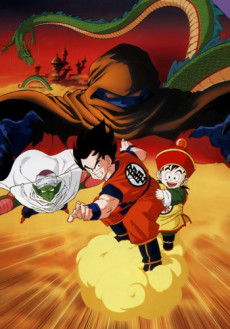
Dragon Ball Z: Dead Zone
📺Anime Details
📝Editorial Analysis
The air crackles—not with lightning, but with silence just before the first punch lands. Gohan stands small and trembling in the ruined temple courtyard, his tiny fists clenched, eyes wide not with fear alone but with the raw, unprocessed weight of knowing: his father is gone, his mother is waiting somewhere beyond the smoke, and this red-robed man—this god-demon—has just shattered the sky like glass. There’s no fanfare, no theme swell—just wind, dust, and the low, guttural hum of power that hasn’t yet learned its own name.
That’s Dragon Ball Z: Dead Zone—not as prologue or footnote, but as pressure. It doesn’t chase scale; it contains it. The dinosaurs aren’t set dressing—they’re fossils breathing beside you. The dragons aren’t mythic ornaments—they coil in the shadows like ancient, watchful things. Even the gods here feel tactile: cold marble skin, voices like stone grinding under tectonic weight. This isn’t about winning fights—it’s about standing still while reality frays at the edges, about a child holding space for something too vast to name. You don’t feel empowered watching it—you feel hollowed, then quietly, fiercely refilled. It’s awe, yes—but the kind that starts in your throat, not your chest.
Which is why Loki, despite its glitches and anticlimactic ending, pulses with the same nervous energy. Its description calls it “a fantasy voyage through the great mythologies”—and like Dead Zone, it treats myth not as backdrop but as atmosphere: thick, humid, morally unmoored. The player review laments the crashes, but also names the core truth—“Good, similar to Diablo… but…” That “but” is vital. Diablo trades in loot and leveling; Loki trades in presence. Like Garlic Jr.’s crimson aura swallowing the sun, Loki’s world feels less built than unsealed—a breach where older, stranger forces leak through. Both ask you to move within myth rather than conquer it—and both leave you unsettled precisely because nothing resolves cleanly.
Then there’s Rise of the Argonauts, where Jason’s vow isn’t heroic—it’s desperate. The description gives us the wedding day murder, the kingdom, the fiancé—then cuts straight to restoration as obsession. That’s the emotional spine of Dead Zone: Gohan doesn’t fight to win glory or even save the world—he fights because his mother’s voice is still echoing in his ears, because Goku’s absence isn’t abstract—it’s the empty chair at dinner, the silence where laughter used to live. The player review says, “If you love games based on ancient history this one does it right…”—but what it does right is the same thing Dead Zone does: it roots cosmic stakes in domestic rupture. A god’s return isn’t spectacle—it’s the hinge between memory and erasure. Jason seeks to undo death. Gohan tries to hold onto a father who vanished mid-sentence. Neither story asks for cheers. They ask for breath held too long.
And Black Myth: Wukong, though lower-scoring, shares that same textural reverence. Its dim is “Mythology & Folklore, Action Spectacle”—but the spectacle here isn’t pyrotechnics. It’s the way stone lions blink when you pass, how ink bleeds into mist during a staff spin, how a dragon’s sigh stirs real leaves in the wind. Like Dead Zone’s temple—crumbling but humming with dormant power—Black Myth: Wukong treats myth as architecture, not allegory. You don’t defeat legends—you walk their corridors, feel their weight in your shoulders. The anime’s dinosaurs aren’t monsters; they’re living stratigraphy. So is Wukong’s mountain—layered, ancient, indifferent. Both understand that true power isn’t shouted—it’s inherited, passed down in bone and breath and broken statues.
This pairing isn’t for the collector who wants lore bibles or the speedrunner chasing frame-perfect combos. It’s for the person who watches Gohan’s hands shake—not because he’s weak, but because he’s remembering how to hold power without breaking himself. It’s for the player who pauses mid-fight in Rise of the Argonauts just to watch torchlight flicker across a fresco of Hera’s face, or who walks slowly through Black Myth: Wukong’s fog-choked valley, listening to the wind carry fragments of a chant older than language. It’s for those who know awe isn’t loud—it’s the quiet after the thunder, the hush before the next breath, the moment your pulse syncs with something older than names.
🎮3 Games That Match the Vibe
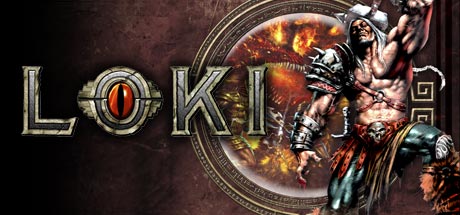
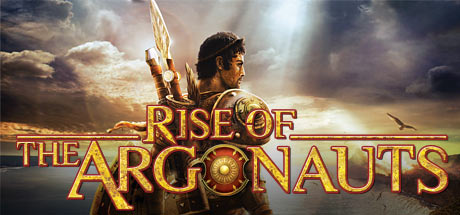
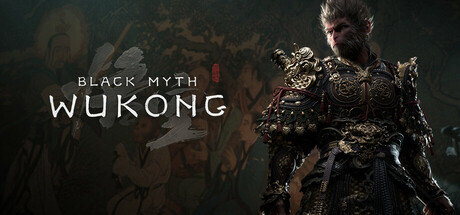
Match Dimensions Explained
❓Frequently Asked Questions
Why does Dead Zone’s final battle with Garlic Jr. feel so different from Black Myth: Wukong’s boss fights?
Dead Zone’s Garlic Jr. fight is all about frantic ki blasts and screen-filling energy waves—very anime-arcade, very 90s—but Black Myth: Wukong’s boss battles (like the Spider Queen in the Lingxu Cave) emphasize precise parry timing, layered transformations, and mythic spectacle rooted in *Journey to the West*. It’s less ‘spam Kamehameha’ and more ‘read telegraphs, dodge, then counter with staff combos that shatter the arena’.
Is there a Dragon Ball Z: Dead Zone anime or movie adaptation I can watch instead of playing?
No—*Dead Zone* is already the 1996 theatrical film (the first DBZ movie), not adapted *from* anything else. There’s no separate anime series or remake. If you love its vibe—tight runtime, early Gohan focus, Garlic Jr.’s eerie regeneration—you’ll find echoes in *Rise of the Argonauts*’ pacing: it’s got that same urgent, personal stakes energy, like Jason racing against time to save his bride before the underworld seals her fate.
How do Loki and Rise of the Argonauts compare for fans who loved Dead Zone’s over-the-top action but hate clunky controls?
Rise of the Argonauts wins hands-down for smooth, responsive combat—it’s got fluid sword combos, real-time blocking, and cinematic finishers that *feel* like DBZ’s flashiest moments (think Gohan’s Masenko barrage). Loki? Not so much: players call out ‘annoying glitches and game crashes’, plus its Diablo-like click-to-attack feels stiff next to Dead Zone’s rapid-fire martial flow.
What’s the best game like Dead Zone if I just want that same hype, short-burst, ‘hero rising against evil’ energy?
Go straight to *Rise of the Argonauts*: it nails that urgent, mythic underdog vibe—Jason starts powerless after his fiancée’s murder, gains legendary weapons fast, and every major fight (like confronting the cursed King Pelias) hits with the same emotional punch and visual flair as Gohan unlocking his potential against Garlic Jr. No grinding, no filler—just tight story beats and action that *moves*.