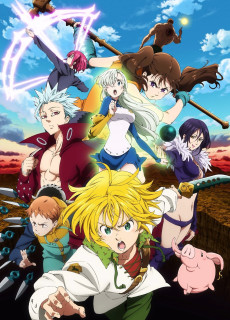
The Seven Deadly Sins: Revival of the Commandments
Melodias, Hawk, and Elizabeth retook the Kingdom of Leones from the Holy Knights. The festival went off without a hitch and the crew enjoyed their well-earned peace. And yet, another threat looms on the horizon. The Ten Commandments, a group of elite demon clan warriors, have their sights set on the kingdom.
(Source: Anime News Network)
📺Anime Details
📝Editorial Analysis
The scent of burnt incense and spilled wine still lingers in the air of Leones’ festival square—just before the first Commandment’s shadow falls across the cobblestones. You feel it: that split-second hush where laughter hasn’t yet curdled into dread, where Hawk’s chirp is still echoing, Meliodas’ grin hasn’t tightened into a snarl, and Elizabeth’s hand rests easy on her sword hilt—not as a weapon, but as habit. Peace isn’t quiet here. It’s tense, honey-thick and humming with the memory of violence just barely sheathed.
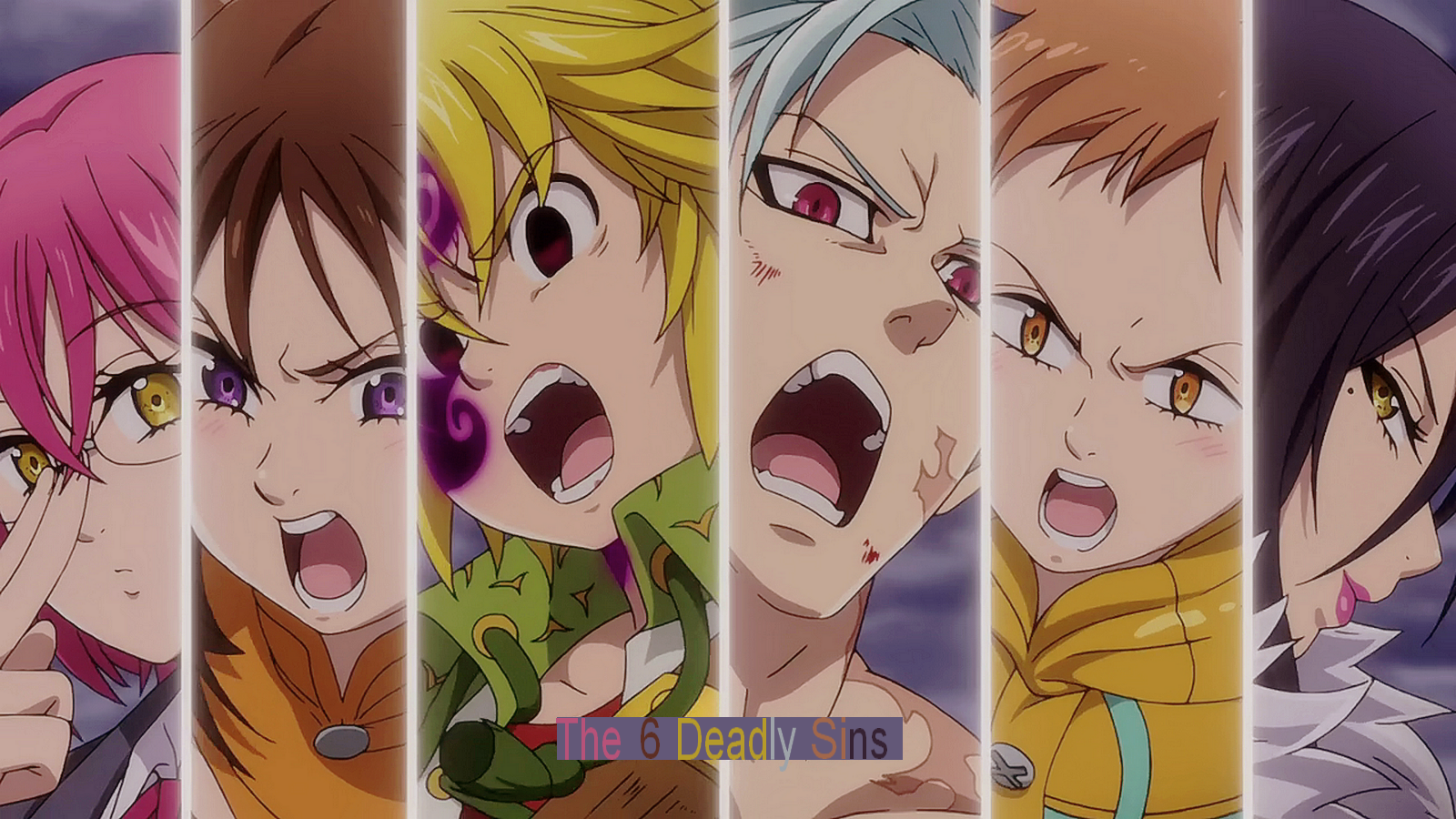
What makes The Seven Deadly Sins: Revival of the Commandments vibrate at this particular frequency isn’t its demons or its magic—it’s how fiercely it clings to fragility. This is shōnen that treats peace like a held breath: sacred, unsustainable, and aching. The ensemble cast doesn’t just fight together—they lean on each other, physically and emotionally, in ways that feel earned not through exposition, but through shared exhaustion, inside jokes mid-battle, and the way Hawk curls into Meliodas’ coat when thunder cracks too loud. There’s ecchi, yes—but it’s never leering; it’s human, fumbling, sometimes absurdly tender. The supernatural isn’t distant spectacle—it’s woven into the texture of daily life: fairies stitching banners, gods watching from cloud-veiled thrones, archery that sings like prayer. You don’t watch this anime to escape reality—you watch it because it magnifies how desperately beautiful, how precarious, ordinary warmth feels when you know what’s coming next.
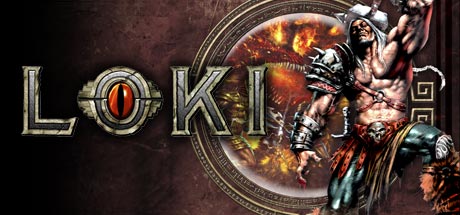
That same ache lives in Loki, where myth isn’t backdrop—it’s bone-deep inheritance. The description calls it a “fantasy voyage through the great mythologies,” and the player review nails the emotional parallel: “Good, similar to Diablo… but filled with annoying glitches and game crashes.” That dissonance—the grandeur of Norse, Egyptian, or Slavic archetypes crashing against technical fragility—mirrors the anime’s own tonal tightrope. Both stumble on purpose, making the stakes feel rawer, more immediate. When Loki’s world flickers or stutters, it doesn’t break immersion—it deepens it, echoing how Leones’ peace stutters under the weight of impending war.
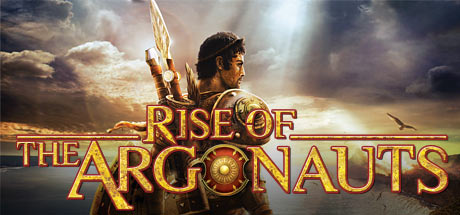
Then there’s Rise of the Argonauts, where Jason’s grief isn’t abstract tragedy—it’s the engine of empire, diplomacy, and swordplay. The description frames it as a king’s vow to restore his fiancé’s life, and the player review says, “If you love games based on ancient history this one does it right…” That “right” isn’t about accuracy—it’s about weight. Like Elizabeth’s quiet resolve after retaking Leones, Jason’s mission carries the gravity of lived consequence. His kingdom isn’t a map screen; it’s soil he’s knelt in, blood he’s wiped from his own hands. Both stories treat power not as dominance, but as stewardship—and stewardship always trembles on the edge of loss.
Even NieR:Automata™, with its machine-driven dystopia and androids whispering about loneliness, shares that core vibration. Its description centers 2B, 9S, and A2 battling in a world overrun—not for conquest, but for meaning. The player review cuts straight to the marrow: “We’re trapped in a never-ending spiral of life and death”. That line could be spoken by any of the Deadly Sins after the Commandments arrive—not as despair, but as recognition. Both works ask: What do you protect when survival itself is cyclical? What love persists when every victory is measured in borrowed time?
This isn’t for players who want clean power fantasies or viewers who crave seamless worldbuilding. It’s for the ones who feel the tremor in Hawk’s wings when he flaps too hard, who remember the exact shade of candlelight on Elizabeth’s face during that last quiet moment before the horn sounds. It’s for people who play games with their fingers hovering over the pause button—not to stop the action, but to hold onto the silence between the strikes. Who love myth not as decoration, but as muscle memory. Who understand that the most devastating battles aren’t fought with spears or swords, but with the choice—to laugh anyway, to trust again, to light another candle in a kingdom that knows, deep in its bones, how easily flame can vanish.
🎮11 Games That Match the Vibe
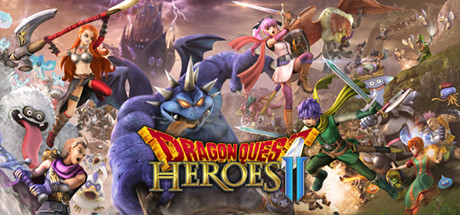
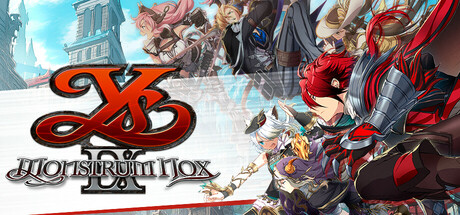
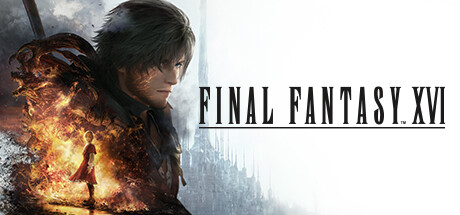
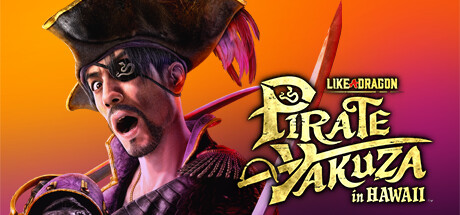
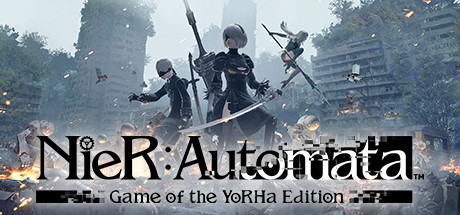
Match Dimensions Explained
❓Frequently Asked Questions
Why does Rise of the Argonauts feel so much like The Seven Deadly Sins: Revival of the Commandments?
Because both lean hard into mythic heroism with high-stakes personal vendettas—Jason’s quest to resurrect his murdered fiancée mirrors Meliodas’ desperate race against time and fate, complete with dramatic cutscenes and over-the-top action set pieces. The combat has that same weighty, cinematic flair you see in Sins’ boss fights, especially when Jason unleashes his divine ‘Argo Powers’ mid-battle.
Is there a mobile or anime adaptation of The Seven Deadly Sins: Revival of the Commandments?
No—there’s no official mobile game or anime adaptation *titled* 'Revival of the Commandments' beyond the original anime season it’s based on. But if you’re craving that same mythic energy and flashy combat on other platforms, Loki (85 score) delivers Norse, Greek, and Egyptian lore with four playable heroes—like the thunder-wielding Thor-inspired fighter—though be warned: players report frequent crashes and a weak ending.
How does Hades compare to The Seven Deadly Sins: Revival of the Commandments?
Hades shares the mythological setting and fast-paced action spectacle—but swaps Sins’ linear story beats for roguelike repetition and witty banter with gods like Zeus and Nyx. While Meliodas’ rage mode feels explosive and narrative-driven, Zagreus’ godly boons offer chaotic, build-driven variety… though one player bluntly said they nearly gave it a negative review before reconsidering.
What’s the best game like The Seven Deadly Sins: Revival of the Commandments if I want epic mythic battles and emotional stakes?
Rise of the Argonauts is your top pick—it’s got the 85 score, deep mythology integration, and that raw, personal tragedy driving the action (Jason watching his fiancée die at the altar hits *hard*, just like Meliodas’ flashbacks). You’ll also get cinematic combat where each hero skill feels like a commandment-level power-up—no filler, just ancient fury and consequence.