
Demon Slayer: Kimetsu no Yaiba Infinity Castle
Part 1 of the theatrical trilogy adaptation of the Infinity Castle Arc.
Tanjiro Kamado – a boy who joined an organization dedicated to hunting down demons called the Demon Slayer Corps after his younger sister Nezuko was turned into a demon.
While growing stronger and deepening his friendships and bonds with fellow corps members, Tanjiro has battled many demons with his comrades – Zenitsu Agatsuma and Inosuke Hashibira. Along the way, his journey has led him to fight alongside the Demon Slayer Corps’ highest-ranking swordsmen, the Hashira, including Flame Hashira Kyojuro Rengoku aboard the Mugen Train, Sound Hashira Tengen Uzui within the Entertainment District, as well as Mist Hashira Muichiro Tokito and Love Hashira Mitsuri Kanroji at the Swordsmith Village.
As the Demon Slayer Corps members and Hashira engaged in a group strength training program, the Hashira Training, in preparation for the forthcoming battle against the demons, Muzan Kibutsuji appears at the Ubuyashiki Mansion. With the head of the Demon Corps in danger, Tanjiro and the Hashira rush to the headquarters but are plunged into a deep descent to a mysterious space by the hands of Muzan Kibutsuji.
The destination of where Tanjiro and Demon Slayer Corps have fallen is the demons’ stronghold – the Infinity Castle. And so, the battleground is set as the final battle between the Demon Slayer Corps and the demons ignites.
(Source: Crunchyroll)
📺Anime Details
📝Editorial Analysis
The air in the Infinity Castle doesn’t just breathe — it shudders. Not with wind, but with the aftershock of Tanjiro’s Breath of the Sun, a technique that flares not as light, but as heat, as memory, as grief made kinetic. You feel it in your molars: the split-second before his blade meets Upper Moon Six’s whip — not just steel on demon flesh, but human resolve colliding with ancient, warped will. There’s no fanfare, no pause for exposition — just the wet thunk of impact, the flare of crimson embers, and Tanjiro’s voice cracking mid-swing: “I won’t let you take anyone else.” That line isn’t shouted. It’s exhaled, ragged and real, like breath pulled from a chest already half-collapsed by loss.

What makes Demon Slayer: Kimetsu no Yaiba Infinity Castle vibrate at this frequency isn’t its swordplay or demons — it’s how every action is weighted. Every parry carries the memory of a slaughtered family. Every burst of Flame Hashira’s fire isn’t spectacle alone; it’s the physical echo of a man who burns because he must, lest he freeze solid in sorrow. This isn’t fantasy escapism — it’s tragedy weaponized. The castle itself feels less like architecture and more like a pressure chamber: walls close not spatially, but emotionally, compressing decades of guilt, loyalty, and inherited pain into single frames. You don’t watch it to win. You watch it to witness — to feel the weight of a vow kept while knees shake, the fragility of courage when exhaustion blurs the edges of vision.
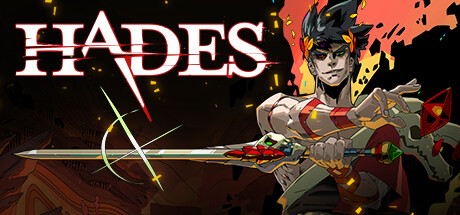
That same visceral, high-stakes intimacy lives in Hades, where every escape attempt from the Underworld is built on repetition, consequence, and raw, unvarnished emotional residue. The description calls it a “rogue-like dungeon crawler” — yes — but the player review nails the soul of it: “This is one of the rare games I struggled to write a review for. I was so close to giving it a negative review, but then I thought that would be unfair…” That hesitation? That near-rejection followed by reluctant, hard-won reverence? It mirrors Tanjiro’s arc exactly — the way he stumbles, fails, bleeds, and still rises not because he’s invincible, but because stopping would mean betraying Nezuko’s quiet, unwavering presence beside him. Both demand you sit with discomfort until it transforms into something deeper than victory: recognition.
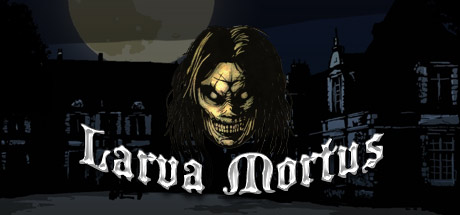
Then there’s Larva Mortus, whose description positions you as an “agent specializing in exorcism” hunting “monsters of the supernatural” in a “dark, ominous, and randomly generated atmosphere.” No grand prophecy, no chosen-one mythos — just duty, grit, and weapons that feel earned, not bestowed. The player review is sparse but telling: “fun gameplay loop and nice weapons….” That ellipsis? It’s the sound of someone too immersed to finish the sentence — the same breathless focus Tanjiro has mid-combo, when strategy dissolves into instinct, and survival hinges on muscle memory forged in grief. Both reject polish in favor of pulse: the thud of boots on stone, the hiss of a demon’s breath, the crunch of a well-timed dodge — all grounded, immediate, human.
Even Dragon Nest, buried under its broken login screen — “cant even log in. the login menu is just a white screen you cant click on lmfao…” — speaks to the anime’s DNA in its intention. Its description promises “blazingly fast combat and visually stunning attacks of a console game” fused with “epic story and role-playing elements.” That tension — between overwhelming spectacle and intimate narrative stakes — is exactly what Infinity Castle balances so precariously: a battlefield where Zenitsu’s thunderclap isn’t just flash, but the sonic boom of a boy finally trusting his own voice; where Inosuke’s wild swings aren’t chaos, but the language of a feral heart learning to protect instead of just survive.
This pairing isn’t for fans of power fantasies. It’s for the ones who keep rewatching the moment Tanjiro kneels in the rain after a fight — not because he won, but because he’s still breathing, still holding space for love inside the wreckage. It’s for players who replay Hades’ final boss not to beat him, but to hear Zagreus say “I’m home” one more time. For those who reload Larva Mortus after dying not to optimize, but to feel that jolt of agency again — sharp, brief, and theirs. These are stories and systems built for people who understand that the most heroic thing isn’t strength — it’s showing up, shaking, and swinging anyway.
🎮15 Games That Match the Vibe






Match Dimensions Explained
❓Frequently Asked Questions
Why does Hades feel so much like fighting in the Infinity Castle arc?
Because both hinge on relentless, high-stakes combat where every dodge, parry, and ability combo matters—just like Tanjiro’s breathless clashes with Upper Moons. Hades’ tight hitboxes, screen-filling divine attacks (like Zagreus’ Stygian Blade or Chaos’ lightning), and escalating enemy patterns mirror the visual intensity and tactical urgency of the Infinity Castle’s shifting corridors and boss gauntlets.
Is there a Demon Slayer anime game adaptation that actually captures the Infinity Castle’s scale and chaos?
No official Demon Slayer game adapts the Infinity Castle arc directly—but Dragon Nest comes closest in *vibe*: its fast-paced, multi-layered dungeon crawling, screen-shaking special moves (think Tseng’s dragon-slash finishers), and overwhelming enemy waves echo the castle’s disorienting scale and spectacle. That said, its broken login screen means you’ll likely never even reach the first floor.
How does Larva Mortus compare to Hades for fans who love Demon Slayer’s exorcist aesthetic and fast-paced demon slaying?
Larva Mortus leans harder into the ‘exorcist’ fantasy—you’re literally an occult agent hunting supernatural horrors in gloomy, procedurally generated cathedrals and crypts, swinging cursed flails and firing holy shotguns. While Hades wraps mythic storytelling around its roguelike loop, Larva Mortus delivers raw, top-down demon-slaying momentum that feels more like Tanjiro clearing a lower-rank demon nest: no dialogue trees, just speed, style, and satisfying weapon feedback.
What’s the best game like Demon Slayer’s Infinity Castle if I want that intense, claustrophobic, ‘can’t catch my breath’ feeling?
Arx Fatalis—it’s got the oppressive, crumbling-dungeon atmosphere, first-person tension, and desperate resource management that mirrors the castle’s psychological weight. You’re not just fighting demons; you’re navigating pitch-black tunnels, solving environmental puzzles under time pressure, and fending off grotesque cultists in a world literally collapsing around you—like when Tanjiro stumbles through the castle’s warping hallways, low on stamina and oxygen.