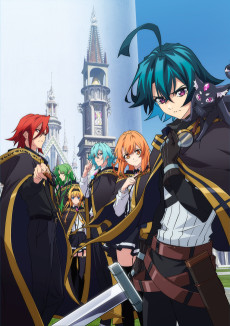
Wistoria: Wand and Sword
A hard-working boy named Will enters a magic academy in hopes of becoming a great sorcerer. Unfortunately, there's a fatal flaw in his plan: he lacks the ability to use magic. Amid the cold stares of his classmates and instructors, Will feels discouraged at times, but he presses forward with unwavering determination. He can't use a wand, but he can wield a sword in his battle to reach the top of a magic-dominated world. He just needs to believe in his own unique strengths and remember the promise he made with someone precious to him...
(Source: Crunchyroll)
📺Anime Details
📝Editorial Analysis
The scrape of steel on stone. Not a flourish—just Will’s sword dragging across the academy courtyard flagstones as he stumbles after another failed spell demonstration, sweat stinging his eyes, fingers raw from gripping the hilt instead of a wand. Around him, laughter rings sharp and brittle; someone drops a fireball that blooms gold and effortless overhead, while Will’s breath hitches—not from exhaustion, but from the quiet, heavy weight of being seen as broken in a world that measures worth in mana signatures.
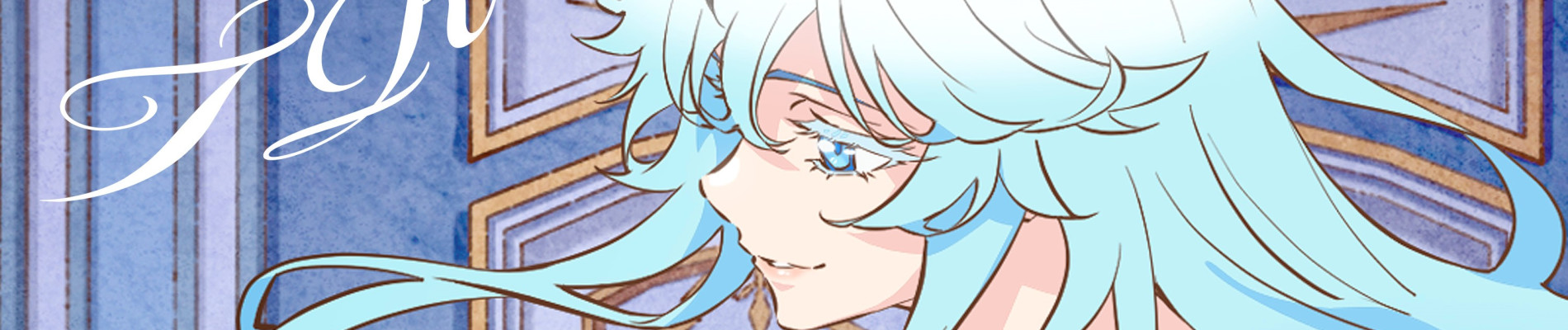
That’s the atmosphere: not despair, but resonant friction. It’s the ache of trying to move forward when every system—from classroom hierarchy to dormitory gossip—assumes your body, your mind, your very biology is wrong for the path you’ve chosen. There’s no grand villain yet, no ancient curse—just the slow, daily erosion of confidence, met with something quieter and fiercer: Will’s refusal to let his silence be read as surrender. You don’t feel hopeful watching him train alone at dawn—you feel tense, like holding your breath before a spark catches. It’s the emotional texture of dignity under scrutiny, of competence forged in absence, where every parry isn’t just defense—it’s declaration.
That tension finds its echo in Hades, where Zagreus hacks through the Underworld’s shifting halls not because he’s destined to win, but because he keeps choosing to try, even when each run ends in brutal, humiliating death—and each return to the House of Hades carries the quiet sting of his father’s disappointment. The description calls it a “roguelike dungeon crawler,” yes—but what binds it to Wistoria: Wand and Sword is how both weaponize repetition as resilience. Zagreus learns not just enemy patterns, but how to speak back—to Nyx, to Achilles, to his own shame—just as Will learns to translate mockery into muscle memory, to turn “you don’t belong” into the exact angle of his stance against a lightning-wielding upperclassman. A player review admits, “I was so close to giving it a negative review, but then I thought that would be unfair…”—that hesitation mirrors Will’s own suspended judgment of himself: not yet triumphant, not yet broken, just still here, recalibrating.
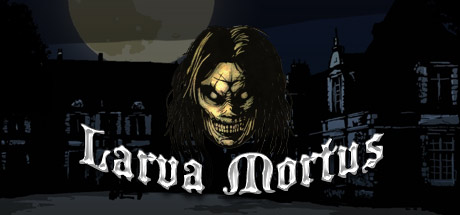
Then there’s Larva Mortus, described as a “fast-paced hack and slash top-down shooter” where you “hunt monsters… in a dark, ominous, and randomly generated atmosphere.” Its player review notes “fun gameplay loop and nice weapons…”—but the resonance lies deeper: in the relentless procedural pressure. Like Will facing down new magical threats every week—some bureaucratic (a biased instructor), some physical (a dueling club ambush)—Larva Mortus forces constant adaptation without narrative hand-holding. No cutscene explains why the larva are rising; you just reload, reposition, recommit. That same unspoken urgency lives in Will’s training montage sequences—not montages of mastery, but of iteration: same swing, different fatigue, different bruise, same resolve. The “randomly generated atmosphere” isn’t just aesthetic—it’s the emotional weather of adolescence in a rigid system: unpredictable, isolating, and navigated entirely through instinct and grit.
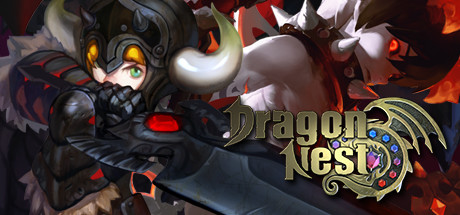
And Dragon Nest, though plagued by technical chaos—“can’t even log in. the login menu is just a white screen you can’t click on lmfao…”—holds a warped mirror to Wistoria: Wand and Sword’s core irony: a world built on dazzling spectacle (blazing combat, epic story) that keeps tripping over its own infrastructure. Will doesn’t fail because he’s weak—he fails because the magic academy’s systems exclude his kind of strength by design. Likewise, Dragon Nest’s players confront a beautiful, ambitious world rendered momentarily inaccessible—not by lack of skill, but by a white screen, a broken gate. Both ask the same quiet question: What do you do when the system itself refuses to recognize your presence? You don’t wait for permission. You find another way in. You draw your sword. You reload. You try again.
This pairing sings for the viewer who watches Will wipe chalk dust off his knuckles and feels their own throat tighten—not because they want power fantasies, but because they recognize the sacred exhaustion of showing up anyway. For the player who’s rage-quit a game only to boot it back up five minutes later, not for victory, but to prove the frustration hasn’t won. For anyone who’s ever been told their tools are wrong, their timing off, their voice too quiet—and kept speaking, kept swinging, kept logging in, just to say, I am still here, and I am learning how to be. That’s the shared pulse: not triumph, but tenacity made visible, one scrape, one slash, one stubborn, unglamorous step at a time.
🎮9 Games That Match the Vibe

Match Dimensions Explained
❓Frequently Asked Questions
Why is Hades always listed alongside Wistoria: Wand and Sword?
Because both lean hard into fast-paced, combo-driven combat where timing your dodges and spell/weapon strikes feels incredibly responsive—like dodging a boss’s fireball in Hades’ Styx arena while chaining Zagreus’ shield bash into a volley of arrow shots. The roguelike dungeon structure and constant power-up progression (e.g., upgrading your wand or Chaos Blade between runs) mirror how Hades layers new abilities and story beats each time you escape the Underworld.
Is there an anime or manga adaptation of Wistoria: Wand and Sword?
No official anime or manga adaptation exists yet—but if you’re craving that same vibe, Larva Mortus nails the dark, gothic exorcist fantasy: think hunting shadow-wraiths in rain-lashed cathedrals with blessed shotguns and cursed relics, much like Wistoria’s magic academy meets monster-hunting grit. Its top-down action and randomized dungeons give that same 'one more run' urgency fans love.
How does Dragon Nest compare to Wistoria: Wand and Sword in terms of combat feel?
Dragon Nest matches Wistoria’s blistering combat tempo—imagine pulling off a 20-hit aerial combo on a dragon boss with flashy, screen-filling skills, just like Wistoria’s cinematic spell combos during the Royal Magic Tournament arc. Both emphasize visual spectacle and precise inputs, though Dragon Nest’s MMO roots mean more party synergy (e.g., tanking with a Paladin while a Sorcerer nukes), whereas Wistoria leans into solo wizardly finesse.
What’s the best game like Wistoria if I want that ‘late-night magic academy study session turned into demon-slaying chaos’ mood?
Larva Mortus is your perfect fit—its oppressive, candlelit gothic atmosphere (think flickering chandeliers in abandoned libraries full of shrieking larval horrors) and rapid-fire exorcism gameplay hit that exact blend of scholarly tension and sudden, violent escalation. You’ll feel like Wistoria’s protagonist mid-crisis: swapping between holy water grenades and spectral scythes while the floor collapses beneath you—just without the login issues Dragon Nest has.