Gods' Games We Play
📺Anime Details
📝Editorial Analysis
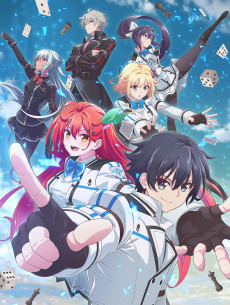
The first time the dice clatter across the polished mahogany table—not in silence, but under the low, honeyed hum of a sun-drenched shrine courtyard, where goddesses lounge barefoot on tatami mats, hair catching light like spun gold—you feel it: the weight of play. Not stakes, not survival, but something quieter, heavier: the unbearable lightness of being chosen, watched, and gently, relentlessly tested by beings who remember your childhood dreams before you do.
That’s the atmosphere of Gods' Games We Play: not high-stakes apocalyptic tension, but the intimacy of divine attention. It’s the warmth of shared tea after a board game ends in laughter—and then, just as quickly, the hush when a god’s fingertip traces the edge of your wrist and murmurs, “You hesitated. Why?” It makes you feel seen, yes—but also unmoored, because every flirtation, every blush, every accidental brush of skin carries mythic resonance. You don’t just fall for a girl; you fall into a covenant written in starlight and sealed with a roll of enchanted dice. The magic isn’t flashy—it’s in the way time bends around a shared glance, how a simple “I’ll protect you” lands like a vow whispered at the altar of a forgotten shrine. It’s tender, playful, and deeply vulnerable—a fantasy where power doesn’t isolate, but invites closeness.
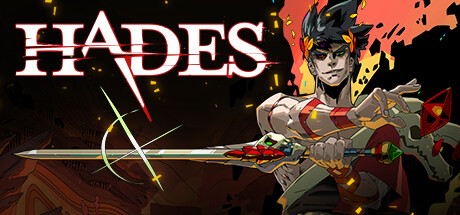
That emotional DNA pulses strongest in two games that, on paper, seem worlds apart: Hades and Hades II. Both are roguelikes rooted in Mythology & Folklore, both scored 85—but what binds them to Gods' Games We Play isn’t setting or mechanics. It’s how they handle divine presence as relational, not authoritarian. In Hades, you defy the god of the dead—yet every escape attempt is met not with wrath, but with layered dialogue, shifting moods, quiet pride, even reluctant affection. The player review nails it: “I was so close to giving it a negative review, but then I thought that would be unfair…” That hesitation? That moral friction between rebellion and belonging? That’s the exact rhythm of Gods' Games We Play, where the protagonist isn’t conquering gods—he’s learning their rhythms, their loneliness, their unspoken rules of engagement. When Zagreus finally earns a rare, soft smile from Hades after dozens of failed runs, it lands with the same quiet triumph as when a goddess in the anime lowers her guard—not with a grand declaration, but by handing him her favorite sencha cup without saying a word.
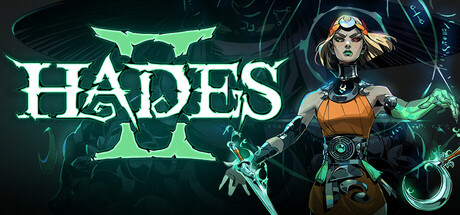
And Hades II, its successor, deepens that thread. Still Roguelike & Dungeon, still steeped in Mythology & Folklore, it leans even further into intergenerational intimacy—the weight of legacy, the ache of inherited duty, the fragile hope of rewriting fate with your elders, not against them. That mirrors the anime’s core dynamic: the gods aren’t distant arbiters—they’re mentors, rivals, confidantes, sometimes exasperated older sisters who scold you for forgetting to water the sacred camellia and slip you extra mana crystals when you’re not looking. The games don’t treat mythology as lore to consume—they treat it as family history, messy and alive. So does the anime: every game played isn’t just competition—it’s a ritual, a confession, a slow unwinding of centuries-old wounds through the simple, radical act of choosing to sit across the table and roll together.
Who loves this pairing? The person who cries during a character’s offhand line about remembering your birthday before you did, who replays a boss fight not for mastery, but to hear one more variation of their voice, who keeps a half-finished sketchbook of shrine gates and dice patterns beside their controller. They’re the ones who don’t want gods to be distant thrones—they want them to lean in, whisper secrets, forget their own immortality long enough to laugh at a terrible pun. They crave warmth disguised as whimsy, devotion dressed in ecchi aesthetics, myth that breathes like a living thing—soft, stubborn, and utterly, unforgettably human at its core.
🎮2 Games That Match the Vibe
Match Dimensions Explained
❓Frequently Asked Questions
Why does Hades feel so different from Gods' Games We Play even though both involve Greek gods?
Because Hades leans hard into its roguelike structure—every death reshapes your run with new god-given boons, dialogue branches, and evolving relationships (like Zagreus’s tense talks with Nyx or tender moments with Achilles). Gods’ Games We Play is more narrative-driven and puzzle-focused, while Hades prioritizes kinetic combat, permadeath tension, and systemic storytelling—you literally fight *through* the Underworld’s shifting biomes, not just talk your way across them.
Is there an anime or manga adaptation of Gods' Games We Play?
No official anime or manga adaptation exists yet—unlike Hades, which inspired fan comics and AMVs but has no licensed adaptation either. The closest thing is how Hades II (85/100) channels that same mythic energy: it’s got a fresh protagonist (Bacchus’s daughter), deeper lore dives into Titanomachy-era conflicts, and even more interwoven godly banter—but still zero anime tie-ins.
How does Hades compare to Gods' Games We Play in terms of combat and pacing?
Hades is pure adrenaline—fast dodge-rolling, real-time weapon switching (like swapping between Stygian Blade and Shield of Chaos), and boss fights where you’re constantly adapting mid-battle (looking at you, Megaera’s whip combos). Gods’ Games We Play trades that for deliberate, turn-based strategy and environmental puzzles; if you love Hades’ ‘one more run’ hook and god-powered upgrades, Hades II doubles down on that same DNA—just with more mythic stakes and a new Underworld layer.
What’s the best game like Gods' Games We Play if I want something myth-heavy but less stressful?
Go for Hades (85/100)—it’s packed with Greek mythology but wraps tension in warmth: characters like Hermes tease you mid-run, Dusa gives shy pep talks, and even death feels like progress thanks to persistent upgrades and evolving dialogue. It’s got the same divine cast and worldbuilding depth as Gods’ Games We Play, but swaps anxiety-inducing puzzles for rhythmic combat and emotional payoff—plus, you’ll actually *want* to die just to hear more of Thanatos’s dry wit.