
Witch on the Holy Night
📺Anime Details
📝Editorial Analysis
The clock tower chimes midnight—not with resonance, but with a hollow, metallic thud, like time itself has rusted. A girl in a navy school uniform stands motionless on the rain-slicked cobblestones, her breath fogging in the cold air, eyes fixed on a pocket watch that isn’t ticking forward. It’s not broken—it’s waiting. That silence between chimes? That’s where Witch on the Holy Night lives: not in spells cast, but in the suspended breath before consequence.
This isn’t urban fantasy as spectacle—it’s urban fantasy as weight. The city isn’t backdrop; it’s memory made brick and streetlight, every alley holding a version of what could have been. Magic here doesn’t dazzle—it settles, like dust on old photographs. You feel the ache of choices already made, the quiet dread of time not as river but as corridor—narrow, lined with doors you’ve walked past before. It makes you wonder: what if regret had texture? What if sorrow bent light just enough to blur the edges of now? The atmosphere is stillness charged, loneliness with purpose, fairy tale logic applied to real-world exhaustion. No grand battles roar across rooftops—just a glance held too long, a hand withdrawn, a single feather drifting down from nowhere. That’s the emotional DNA: time not as tool, but as wound—and healing as slow, deliberate re-stitching.
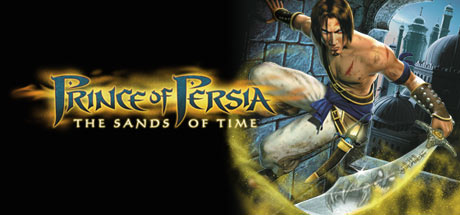
That same resonance hums in Prince of Persia: The Sands of Time, where the Prince draws his dagger not to kill, but to rewind—to undo seconds that cost lives, to stand again at the edge of a fatal misstep. The player review calls it “tactical platforming… satisfying due to the locked directions”—and that’s key: constraint is the emotion. Like the witch who walks the same streets knowing each shadow holds a ghost of her past self, the Prince navigates corridors where every jump, every slip, carries moral gravity. He doesn’t master time—he bargains with it, breath held, finger hovering over the rewind button. Same tension. Same dread. Same fragile hope that one more try might change the shape of the fall.
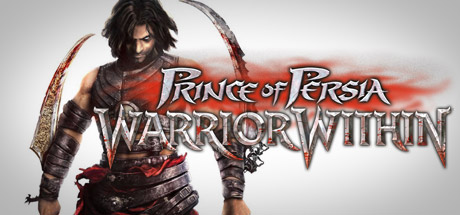
Then there’s Prince of Persia: Warrior Within, where Dahaka isn’t just a pursuer—he’s consequence given teeth and ash. The description calls him “an immortal incarnation of F…”—cut off, unfinished, like trauma that refuses syntax. The player says, “Dahaka chase is still as goated as it was before”—and that’s the point: the horror isn’t in the chase itself, but in its inescapability, its recurrence, its refusal to be outrun or outgrown. Just like Witch on the Holy Night’s magic isn’t about power—it’s about inheritance, repetition, the way grief echoes in footsteps down familiar stairs. Both ask: what does it mean to be haunted by your own timeline?
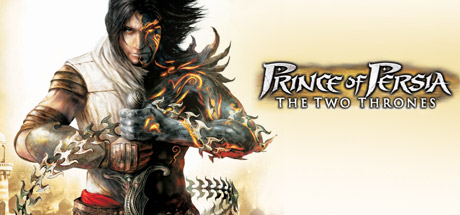
And Prince of Persia: The Two Thrones, where the Prince returns home only to find Babylon “ravaged by war” and his love entangled in ruin—mirrors the anime’s core ache: returning changes nothing, yet changes everything. The player calls it “one of my best childhood games… still plays great”—that nostalgia isn’t warm; it’s bittersweet, layered with the knowledge of what came after. Like watching the witch walk past her old classroom window, seeing her younger self inside, untouched by what’s coming—knowing she can’t warn her, won’t interrupt, because some truths must be lived twice to be understood.
These aren’t pairings for fans of “magic” or “action.” They’re for the ones who replay a game not to win, but to feel the weight of the last choice again—the ones who pause mid-jump, finger hovering over rewind, heart pounding not from adrenaline but from the sheer vulnerability of trying once more. For readers who underline sentences about silence in novels, who notice how light falls differently in winter, who understand that the most devastating moment in any story isn’t the explosion—but the quiet second after, when smoke clears and no one speaks. This is for the people who don’t just watch time pass—they hold it, gently, like something already broken, hoping their hands are steady enough to mend it.
🎮16 Games That Match the Vibe
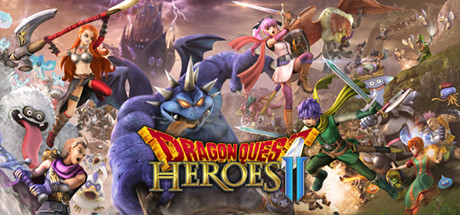
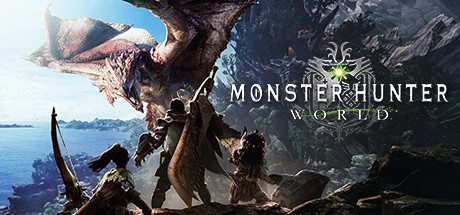
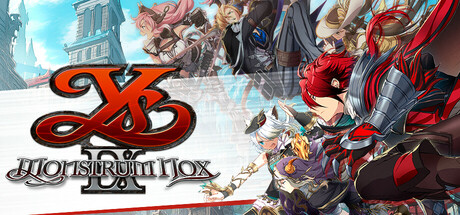
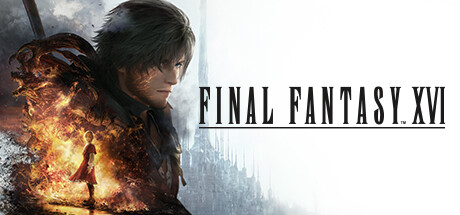

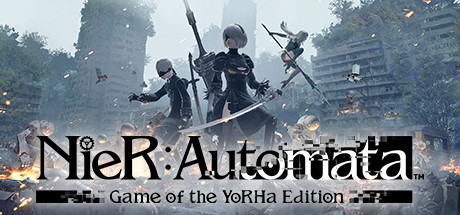
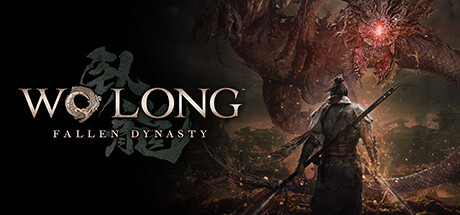
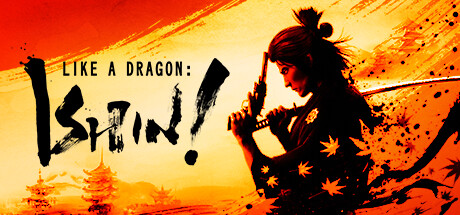
Match Dimensions Explained
❓Frequently Asked Questions
Why is Prince of Persia: Warrior Within recommended for Witch on the Holy Night fans?
Because both lean hard into brooding, time-bent tragedy—Warrior Within’s Dahaka chase mirrors Witch’s oppressive, inescapable fate loops, especially during those claustrophobic corridor sprints where time rewinds mid-fall or mid-combat. The Prince’s guilt-ridden descent into darkness (and that iconic dual-personality shift in The Two Thrones) echoes Shiki’s fractured psyche and the game’s heavy themes of memory, consequence, and self-erasure.
Is there an anime or manga adaptation of Witch on the Holy Night?
No—unlike DRAGON QUEST HEROES™ II, which has multiple manga adaptations and a full anime series bridging its JRPG narrative, Witch on the Holy Night remains exclusively a visual novel with no official anime, manga, or film adaptation to date. Fans often turn to games like Prince of Persia: The Sands of Time for that same mythic, emotionally resonant storytelling—but it’s all in-game, no external media.
How does Prince of Persia: The Two Thrones compare to Last Epoch for Witch on the Holy Night fans?
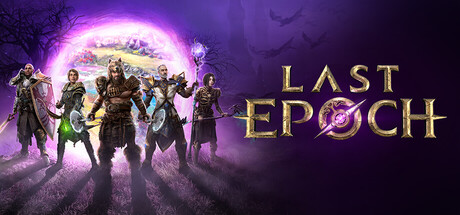
Two Thrones hits the same melancholic, time-fractured vibe—think Kaileena’s spectral presence haunting the Prince’s choices and the visceral ‘Dark Prince’ transformation echoing Shiki’s inner duality—while Last Epoch leans into ritualistic, memory-driven buildcrafting (e.g., Chronomancy skill trees that literally manipulate timeframes in combat). Both deliver that ‘haunted by your own past’ weight, but Two Thrones wraps it in cinematic tragedy; Last Epoch weaves it into systemic, replayable lore.
What’s the best game like Witch on the Holy Night if I want slow-burn dread and poetic despair?
Prince of Persia: Warrior Within—especially its rain-slicked, crumbling Babylon levels and the Dahaka’s relentless, time-warped pursuit—creates that exact suffocating, inevitable dread. The way memory bleeds into architecture (like revisiting the same ruined hallway with new scars each time) mirrors Witch’s looping, elegiac tone far more than DRAGON QUEST HEROES™ II’s brighter, ensemble-driven JRPG energy.