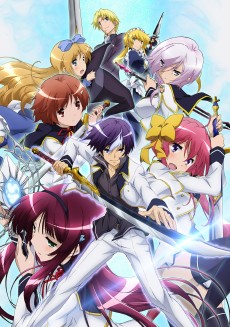
World Break: Aria of Curse for a Holy Swordsman
📺Anime Details
📝Editorial Analysis
The air smells like ozone and wet concrete after rain—then the crack of a blade splitting light, not steel. A boy in a school uniform pivots mid-air, hair whipping sideways as his sword ignites with silver fire; behind him, a dragon’s wing blots out the moon, scales glinting like shattered obsidian. His shirt tears at the shoulder—not from impact, but from the sheer pressure of transformation—and for one breathless frame, he’s both terrified and alive, suspended between human fragility and something ancient roaring up through his bones.
That’s World Break: Aria of Curse for a Holy Swordsman’s heartbeat: not just spectacle, but weight. Not just harem banter or ecchi gags, but the quiet, aching tension of bodies changing faster than identities can catch up—school desks still littered with half-solved math problems while a kaiju’s shadow slides across the chalkboard. It’s urban fantasy that leans into its own contradictions: sacred swords drawn in gym class, magical oaths whispered over bento boxes, nudity framed not as titillation but as raw, involuntary vulnerability—skin exposed not for gaze, but because magic unmakes clothing the way it unmakes certainty. You don’t feel heroic here—you feel unmoored, exhilarated and exhausted in equal measure, like sprinting uphill in a dream where gravity keeps shifting. It’s honest about exhaustion, about how love blooms sideways—in shared silences between battles, in the way someone holds a coat open without looking, in the tremor in a hand that’s just stopped a falling building.
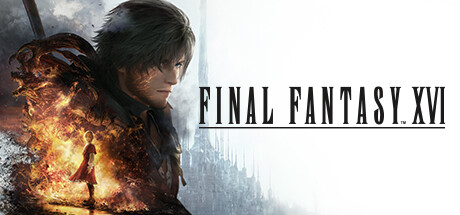
That emotional DNA—weight, unmooring, honest exhaustion—is why FINAL FANTASY XVI resonates so sharply. Its score reflects Action Spectacle and Emotional Narrative, and players describe Clive’s arc as “a man breaking under legacy, then rebuilding himself from splinters.” Like World Break, it treats power as physical toll: muscles strain, breath hitches, wounds linger past the cutscene. There’s no clean victory—just blood on the floor, a sword too heavy to lift again, and the quiet horror of realizing your own body is now a vessel for something older than ethics. The emotional narrative isn’t about grand destiny—it’s about what breaks inside when you’re forced to choose between saving one person or stopping a dragon that’s already swallowed a city block.
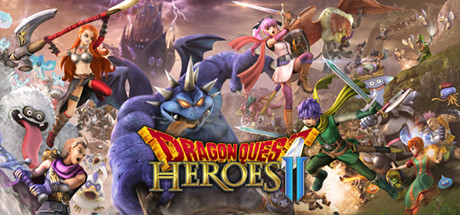
Then there’s DRAGON QUEST HEROES™ II, also scoring 72 on Action Spectacle and JRPG Narrative. Player reviews call it “a joyful, messy avalanche of friendship and fury”—exactly the tonal whiplash World Break nails: one moment, a character is tripping over their own feet trying to explain reincarnation theory; the next, they’re leaping off a skyscraper, screaming a name into a storm as lightning forks around them. Both works weaponize sincerity: no irony, no winking—the stakes are real because the characters believe in them, even when they’re clumsy, even when their uniforms are torn, even when they cry mid-combo.
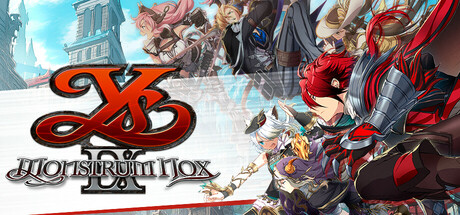
And Ys IX: Monstrum Nox, matching those same dimensions, pulses with the same urban supernatural friction. Players praise its “gritty, grounded magic system where powers feel earned, not gifted”—mirroring how World Break’s henshin sequences aren’t glamorous morphs but violent recalibrations: joints pop, veins bulge, clothes shred not for fanservice but because the body rebels against the magic flooding it. The Monstrum’s curse isn’t cool—it’s isolating, inconvenient, often painful. Like World Break, it asks: What does it cost to be chosen? Not in glory, but in sleepless nights, in missed birthdays, in the way your best friend flinches when your eyes flash gold.
Who lives for this? The player who replays boss fights not for perfect combos, but to watch how their character’s breathing changes each time—slower, ragged, then steady again. The viewer who rewinds the scene where a girl tucks her knees to her chest after battle, not crying, just breathing, while distant sirens wail and her sword lies cold beside her. People who crave stories where magic doesn’t solve loneliness, where romance flickers in stolen glances across crowded hallways—not because it’s forbidden, but because everything else is already collapsing. They want weight, not wings. They want the honest sweat, the real exhaustion, the quiet courage of showing up—shirt torn, sword heavy, heart wide open—when the world is literally falling apart.
🎮9 Games That Match the Vibe

Match Dimensions Explained
❓Frequently Asked Questions
Why does FINAL FANTASY XVI keep coming up in World Break game recommendations?
Because both lean hard into emotional, character-driven JRPG storytelling with high-stakes holy-swordsman vibes—think Clive’s grief-fueled transformation mirroring Ren’s curse-driven power surges, plus those cinematic, slow-motion sword clashes during boss fights. The Action Spectacle dimension nails the same weighty, impactful combat you’d expect from World Break’s aerial combos and divine-weapon flourishes.
Is there an anime or manga adaptation of World Break: Aria of Curse for a Holy Swordsman?
No official anime or manga adaptation exists—it’s purely a light novel series (12 volumes, 2012–2017), which is why fans turn to games like Ys IX: Monstrum Nox for that same blend of cursed powers, supernatural factions, and fast-paced urban fantasy action. You’ll feel that same energy when Adol unlocks monstrosity forms mid-combo in the prison city of Balduq—just like Ren wrestling his curse mid-battle.
How does DRAGON QUEST HEROES II compare to Monster Hunter: World for World Break fans?
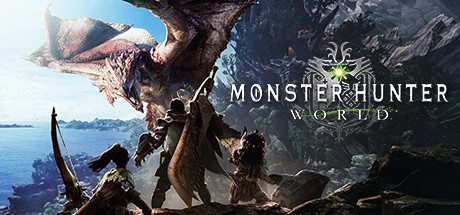
If you love World Break’s party banter and dramatic holy-sword cutscenes, DQ Heroes II delivers with its lighthearted-yet-earnest JRPG narrative and flashy, combo-heavy spectacle—think Luce’s radiant blade artes echoing Erdrick’s divine slash finishers. Monster Hunter: World trades that narrative focus for immersive world-building and gear-driven progression, but its epic Elder Dragon fights (like Nergigante’s lightning-charged charges) scratch the same ‘holy warrior vs. ancient curse’ power fantasy itch.
What’s the best World Break-like game if I want intense solo swordplay with heavy emotional stakes?
FINAL FANTASY XVI is your strongest match—Clive’s entire arc revolves around wielding cursed, god-touched power while mourning lost comrades, and the real-time swordplay (with Eikonic abilities like Phoenix Dive and Ifrit’s blazing slashes) mirrors Ren’s desperate, high-risk holy-sword techniques. It’s got that same raw, grounded intensity you’d feel during World Break’s rooftop duels or temple showdowns—no filler, just steel, sorrow, and spectacle.