
MOBILE SUIT GUNDAM HATHAWAY The Sorcery of Nymph Circe
Second movie in the Hathaway trilogy celebrating the Gundam franchise's 40th anniversary, and the second project in the "UC NexT 0100 Project" that will tackle the future of the UC timeline.
Haunted by past trauma, Hathaway is drawn to the mysterious girl Gigi Andalucia, whose strange powers stir memories within him. While swayed by her cryptic words, he continues preparing for Mafty’s mission — the attack on the Adelaide Conference. Meanwhile, Kenneth Sleg of the Federation Forces prepares a defense operation for the Adelaide Conference and a plan to eliminate Mafty, when he is approached by Handley Yoxon of the Criminal Police Organization with a secret proposal. As Hathaway and Kenneth pursue their respective goals, Gigi also sets off for Hong Kong to fulfill her own role.
(Source: GundamInfo)
📺Anime Details
📝Editorial Analysis
The Adelaide Conference chamber flickers—not with light, but with static: a grainy, low-res feed bleeding across Hathaway’s cockpit display as the Rahal descends. His breath hitches—not from adrenaline, but from the weight of Gigi Andalucia’s voice echoing in his skull: “You remember what it feels like to be erased.” That line doesn’t land like exposition. It lands like a hand pressing down on your sternum—quiet, inevitable, suffocating. The camera doesn’t cut to explosions. It holds on his knuckles, white over the controls, while distant sirens warp into something almost melodic. This isn’t spectacle. It’s recognition.
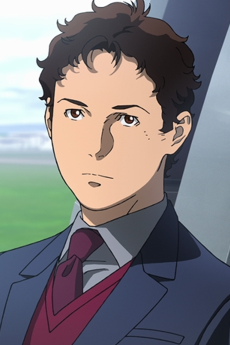
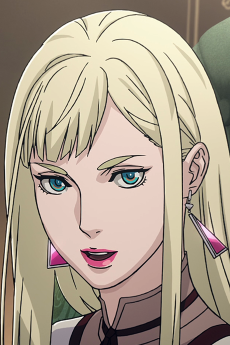
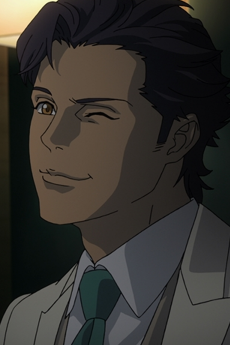
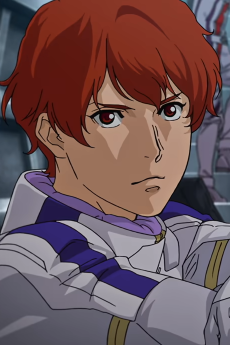

What makes MOBILE SUIT GUNDAM HATHAWAY The Sorcery of Nymph Circe ache so deeply isn’t its mecha or its politics—it’s how relentlessly interior it is. Every military briefing, every Federation patrol, every whispered exchange between Hathaway and Gigi hums with unspoken history. You don’t feel like you’re watching a war—you feel like you’re listening to someone rehearsing their own collapse. The class struggle isn’t shouted in rallies; it’s in the way Hathaway’s uniform fits too tightly, in the hollow echo of a Federation officer’s laugh over encrypted comms. There’s no heroic certainty—only the slow, grinding erosion of conviction, the way trauma loops like corrupted data, and how love triangles here aren’t about romance but about witnessing: who sees you broken, and who pretends you’re whole? It makes you feel tired, seen, and dangerously awake.
That same emotional gravity lives in Team Fortress 2, not in its hats or chaos—but in its community review: “The community is gay, racist, sexist, gay, artistic, gay, furries, and love men.” That messy, contradictory, defiantly human sentence mirrors Hathaway’s world: ideology fractured, identity performative, belonging both weaponized and tender. Like Hathaway navigating Federation ranks while whispering Mafty slogans, TF2 players toggle between absurdity and sincerity mid-round—mocking war one second, then coordinating a flawless payload push the next. Both demand you hold paradoxes without resolution: loyalty and betrayal, duty and dissent, irony and real grief—all in the same breath.
Then there’s Lost Planet™: Extreme Condition, where humanity fights not for ideology but survival on ice-covered wastelands, battling “gargantuan alien Akrid and treacherous Snow Pirates.” Its player review laments Capcom’s failure to fix older versions—“It would be really awesome to…”—a wistful, unresolved yearning that echoes Hathaway’s entire arc. He doesn’t want victory. He wants recognition—for the colonies’ suffering to stop being background noise. Like Lost Planet’s frozen hellscape, Hathaway’s world is defined by environmental hostility and human betrayal: the cold isn’t just weather—it’s institutional indifference, the slow freeze of empathy. Both make you feel isolated, not because you’re alone, but because everyone else is shouting over the blizzard.
And Supreme Commander, with its thousand-year war where “there can be no room for compromise: their way is the only way,” lands with chilling precision. Its player review nails it: “The scale of the battles…” Not the speed. Not the flash. The scale. That’s Hathaway’s tragedy—the sheer, crushing weight of history bearing down, where individual choice shrinks to a pixel on a tactical map. When Kenneth Sleg hunts Mafty, it’s not personal—it’s systemic. Like Supreme Commander’s AI commanders issuing orders across continents, the Federation operates beyond morality; it operates logically. You don’t hate the enemy. You mourn the architecture that made them inevitable.
This pairing isn’t for fans of “cool robots” or “epic battles.” It’s for the person who watches Hathaway stare at a rain-smeared window and thinks, I know that silence. It’s for the player who spends twenty minutes building a single artillery platform in Supreme Commander—not to win, but to feel the weight of intention. For the one who logs into TF2 not for kills, but to hear that one friend’s terrible voice chat impression of a Scout—and laughs because it’s the only real thing in the server. For anyone who’s ever held a protest sign, filed a complaint, loved someone they couldn’t save, or whispered a truth no one was ready to hear. They’ll recognize the exhaustion, the clarity, and the quiet, stubborn beauty in fighting—not for glory—but for the right to be remembered exactly as they are.
🎮7 Games That Match the Vibe
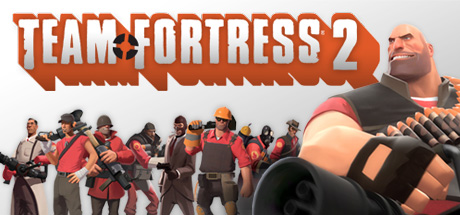
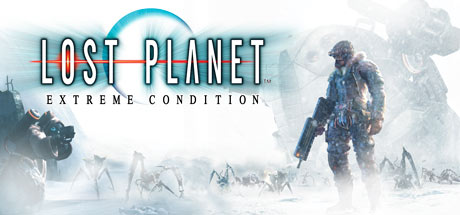
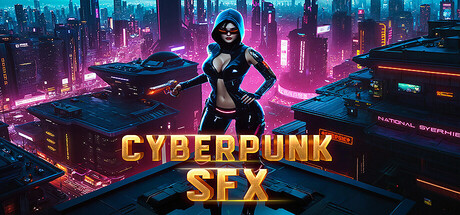
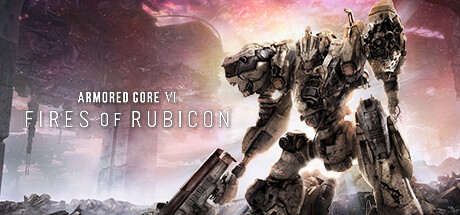
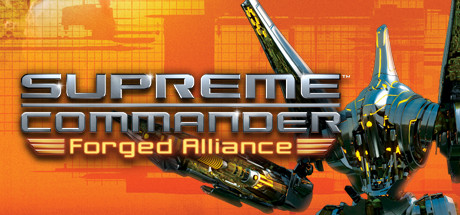
Match Dimensions Explained
❓Frequently Asked Questions
Why does Lost Planet: Extreme Condition match MOBILE SUIT GUNDAM HATHAWAY The Sorcery of Nymph Circe so well?
Both lean hard into desperate, high-stakes military sci-fi set on hostile, atmospheric worlds—Hathaway’s orbital warfare and political tension mirror Lost Planet’s frozen wastelands and human survival against overwhelming alien Akrid. You’ll feel that same weighty, grounded mecha combat in Lost Planet’s grappling-hook mobility and thermal-based suit mechanics, especially during tense boss fights like the Leviathan or Snow Pirate ambushes on E.D.N. III.
Is there a Gundam HATHAWAY video game adaptation?
No—there’s no official Gundam HATHAWAY game adaptation, not even a mobile title or tie-in. That’s why fans turn to matches like Supreme Commander, where the scale, ideological warfare (Cybran vs. UEF vs. Aeon), and massive orbital strikes echo Hathaway’s ‘Sorcery of Nymph Circe’ themes—especially scenes like the asteroid drop on Earth Federation HQ, mirrored in Supreme Commander’s strategic nukes and experimental superweapons.
Team Fortress 2 vs. Supreme Commander: which is better for chaotic mecha action with personality?
TF2 wins hands-down for chaotic, character-driven mecha-adjacent action—think Heavy’s minigun roar echoing Hathaway’s Barbatos’ heavy assault moments, or Engineer’s sentry turrets mimicking defensive MS emplacements—but with absurd humor and hats. Supreme Commander delivers grand-scale tactical depth (like planning the La+ fleet’s orbital insertion), but TF2’s nine distinct classes, voice lines, and over-the-top maps like Dustbowl give you that irreverent, human-sized chaos Hathaway’s quieter intensity doesn’t offer.
What’s the best game like HATHAWAY if I want slow-burn dread and ideological warfare?
Supreme Commander: Forged Alliance—it nails that grim, inevitable collapse vibe from ‘Sorcery of Nymph Circe’. With its ruined world, four factions fighting over scraps amid crumbling infrastructure, and battles where one misstep triggers cascading losses (like losing your ACU mid-fight), it mirrors Hathaway’s tone perfectly—especially scenes where characters debate revolution vs. order while staring at Earth from orbit. Even the UI’s stark, utilitarian design feels like a bridge between Federation command centers and the game’s war-room aesthetic.