
Haibane Renmei
A dream of falling from the sky... and then birth. Rakka is born from a large cocoon into the Old Home, greeted by a group of girls with small wings on their backs and shining halos above their heads. Soon Rakka's own wings grow, a halo is placed on her head and she is told that she must work in the nearby town of Grie. She soon realizes that the town and the entire world they live in are confined behind the Wall, a tall, impenetrable wall that none except the mysterious Toga are allowed to exit.
(Source: Anime News Network)
📺Anime Details
📝Editorial Analysis
The silence after Rakka’s first flight—wings trembling, halo dimming as she lands softly on the mossy roof of Old Home—is not empty. It’s thick with unspoken grief, with the weight of a name forgotten, with the quiet hum of wings brushing air like pages turning in a book no one’s allowed to read. She doesn’t cry. She breathes. And in that breath, the world holds still—not because it’s safe, but because it permits her to exist, just as she is: unfinished, winged, halved between memory and mercy.
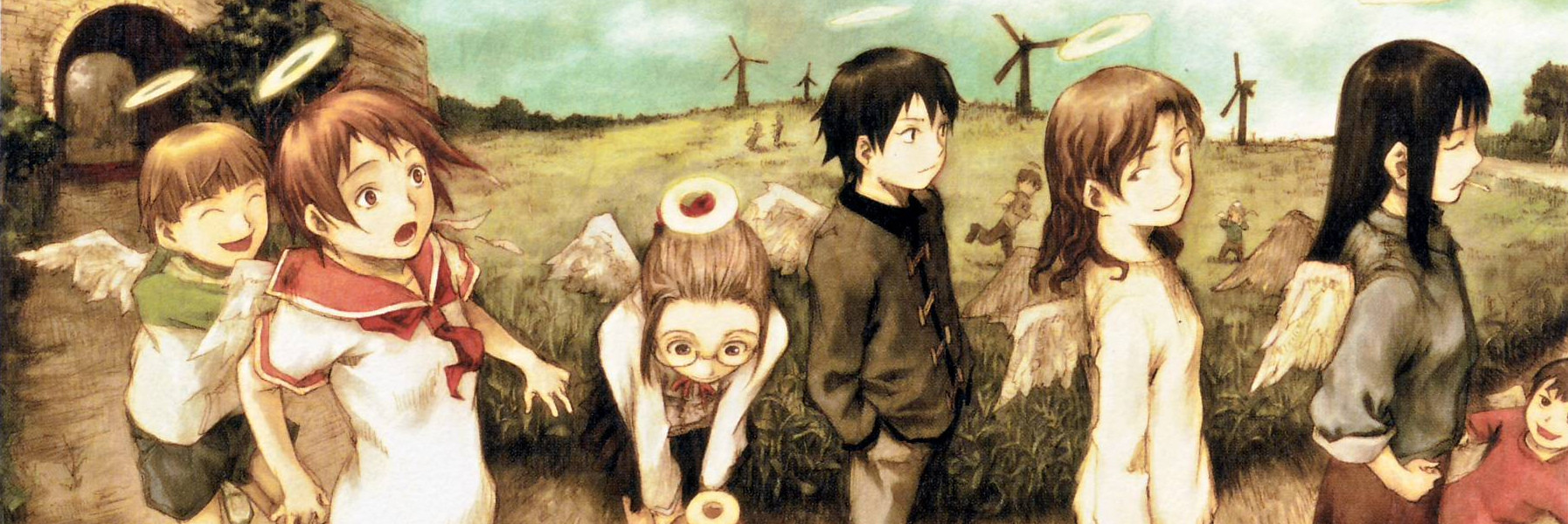
That’s the feeling Haibane Renmei cultivates—not wonder, not dread, but tender suspension. It’s the ache of being seen before you understand yourself; the relief of labor that isn’t punishment but ritual; the slow dawning that rehabilitation isn’t about fixing brokenness, but honoring the shape of your own becoming. There are no villains, no grand battles—only the Wall, the Toga’s quiet authority, the rustle of wings at dawn, and the unbearable lightness of a halo that won’t glow until you stop waiting for permission to grieve. This isn’t fantasy as escape. It’s fantasy as witness: soft, persistent, and devastatingly patient.
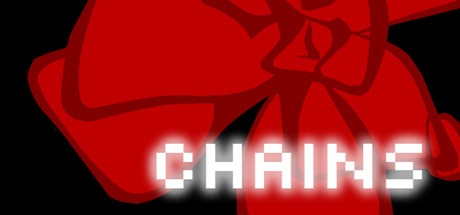
Among the games listed, only one shares that precise emotional frequency: Chains. Its description calls it “a relaxing arcade match 3 casual game” where you “link adjacent bubbles of the same color into chains,” with challenge emerging from “increasingly difficult physics-driven” movement. A player writes: “Reminds me of connect 4 in nutshell… link 3 or more of the same color and clear enough till you can proceed…” That rhythm—deliberate, tactile, iterative—mirrors Rakka sorting laundry at the bakery, or dusting shelves at Grie: small acts that accumulate meaning not through climax, but continuity. The physics-driven lulls, the gentle resistance of bubbles refusing to snap into place unless just so—it echoes the anime’s insistence that healing isn’t linear, but embodied, measured in breaths, glances, the weight of a broom handle in your palm. No urgency. No failure state that erases what came before. Just the quiet satisfaction of alignment—and the space to begin again.
Then there’s The Witcher 3: Wild Hunt, tagged with Emotional Narrative, Adult & Dark Seinen, described as tracking “Ciri — the Child of Prophecy” across a “war-torn, monster-infested continent.” A player notes the DLC announced 11 years later, calling it “my favourite game keeps getting better…” That longevity—the way Geralt’s world deepens over time, how trauma accrues in silences between contracts, how even monsters carry sorrow older than kingdoms—resonates with Haibane Renmei’s buried architecture. Both refuse easy redemption. Both treat suicide not as plot device but as spectral presence—unspoken, woven into the texture of daily life, haunting the edges of every conversation. Rakka’s fall. Ciri’s escape. Neither is explained—but both are held, with gravity and grace.
And Tank Universal, with its description as an “action FPS tank wargame inspired by Tron and Battlezone,” seems, at first, violently out of step—until you read the player review: “Play cool tank game with dad when you were 6… Love the cool sound effects, and the colors. time goes on; loose access to game. Grew up dad passes away…” That’s the key. Not the lasers or the AI allies—but the layered time: childhood joy, adult loss, the sensory imprint of color and sound surviving absence. Like Rakka tracing the outline of her old name in dust, or Reki humming a half-remembered lullaby beside a cracked window—what remains isn’t story, but resonance. A vibration in the bones. A halo’s faint pulse beneath skin.
These pairings aren’t for people who want answers. They’re for those who recognize the sacred in repetition—the person who replays a quiet scene in Haibane Renmei just to hear the wind chime at Old Home, who lines up bubbles in Chains until the pattern feels true, who sits with Geralt’s silence after a quest ends not in victory but in exhaustion, who hears their father’s laugh in the bass hum of a tank engine long after the screen has gone dark. They’re for the ones who know healing isn’t a destination—it’s the slow, luminous act of learning how to carry your wings without breaking them.
🎮19 Games That Match the Vibe
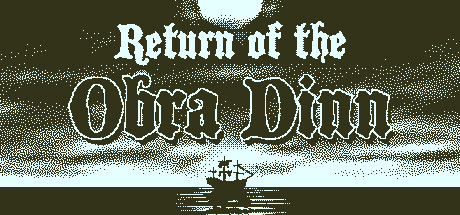
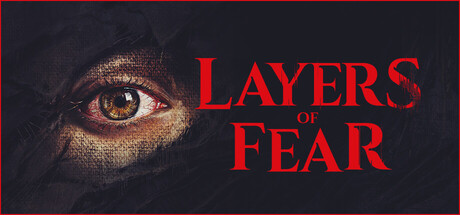


Match Dimensions Explained
❓Frequently Asked Questions
Why does Chains keep coming up in Haibane Renmei game recommendations?
Because Chains nails that quiet, meditative pacing and emotional resonance — like when you’re slowly linking pastel bubbles while listening to the gentle chime sounds, it mirrors Haibane’s early morning walks through Old Home’s misty courtyards. Reviewers even call it 'healing & slow life' (its top dimension), and one player said it reminded them of 'connect 4 in a nutshell' — simple, tactile, and deeply soothing, just like baking bread with Reki or tending the garden with Kana.
Is there a Haibane Renmei video game adaptation?
No — there’s never been an official Haibane Renmei game, anime tie-in or otherwise. The closest you’ll get are spiritual matches like Chains for its gentle rhythm and contemplative tone, or The Witcher 3 if you’re drawn to Haibane’s deeper themes of guilt, belonging, and quiet redemption — though Geralt’s world is grittier, his conversations with Ciri about identity and exile hit similar emotional notes.
Chains vs. The Witcher 3: which is better for that Haibane Renmei mood?
Chains — hands down. Haibane’s soft melancholy, restrained dialogue, and focus on small daily rituals line up perfectly with Chains’ bubble-linking calm and its 'Emotional Narrative + Healing & Slow Life' dimensions. The Witcher 3 scores higher on 'Emotional Narrative' too, but its 'Adult & Dark Seinen' vibe leans into moral ambiguity and visceral combat — think Triss’ tavern arguments or Skellige funeral rites, not Kokon’s silent glances at the wall.
What’s the best game like Haibane Renmei if I want something peaceful and hopeful, not dark or violent?
Go straight to Chains — it’s the only match rated 'Healing & Slow Life', and its entire loop (linking soft-colored bubbles, clearing stages with gentle physics, no timers or penalties) feels like sitting on the roof with Hikari watching clouds. Player reviews highlight its nostalgic, unhurried joy — exactly the kind of warmth Haibane fans crave, without a single monster hunt or tank battle in sight.