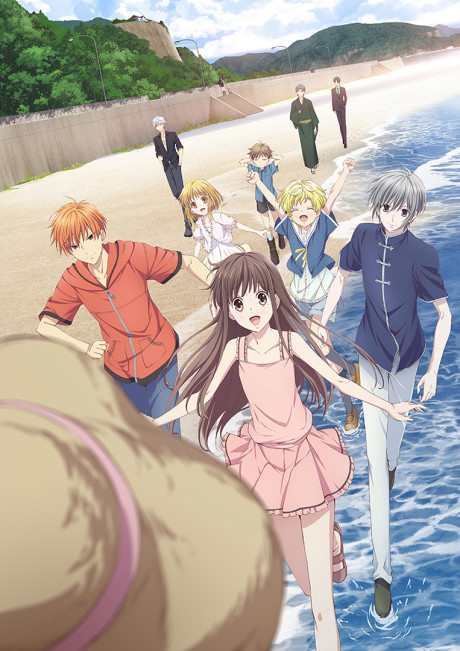
Fruits Basket Season 2
A year has passed since Tohru Honda began living in the Souma residence, and she has since created stronger relationships with its inhabitants Shigure, Kyou, and Yuki. She has also grown closer to the rest of the Souma family and has become familiar with their ancestral secret, having helped them with many of their personal issues. The closer Tohru gets, however, the more she begins to realize that their secret holds a darker truth than she first presumed.
Summer is approaching and Tohru is invited to spend her days with the Soumas, mainly Kyou and Yuki. Tohru wishes for an easy-going vacation, but her close relationships with the two boys and the rest of the Soumas may prove to cause trouble. As they grow more intimate, their carefree time together is hindered by older hardships and feelings from the past that begin to resurface. The Eternal Banquet also dawns on the members of the zodiac, and they must tend to their duties alongside the unnerving head of the family, Akito Souma.
With the banquet approaching and a plethora of feelings to be solved, will Tohru's life with the Soumas remain peaceful, or will she find herself in a situation from which she cannot escape?
📺Anime Details
📝Editorial Analysis
The scent of rain on hot pavement. Tohru kneeling barefoot in the Souma garden at dusk, fingers brushing damp soil as she replants wilted cosmos—her sleeves rolled, hair clinging to her neck—while Kyou watches from the porch, silent, arms crossed, not angry but waiting. Not for her to fix anything. Just waiting for her to be there. That quiet, humid stillness where grief doesn’t roar—it settles, like dust motes in slanted light. That’s Fruits Basket Season 2: not a storm, but the breath before thunder, thick with unspoken history and the unbearable tenderness of people learning how to hold each other without breaking.
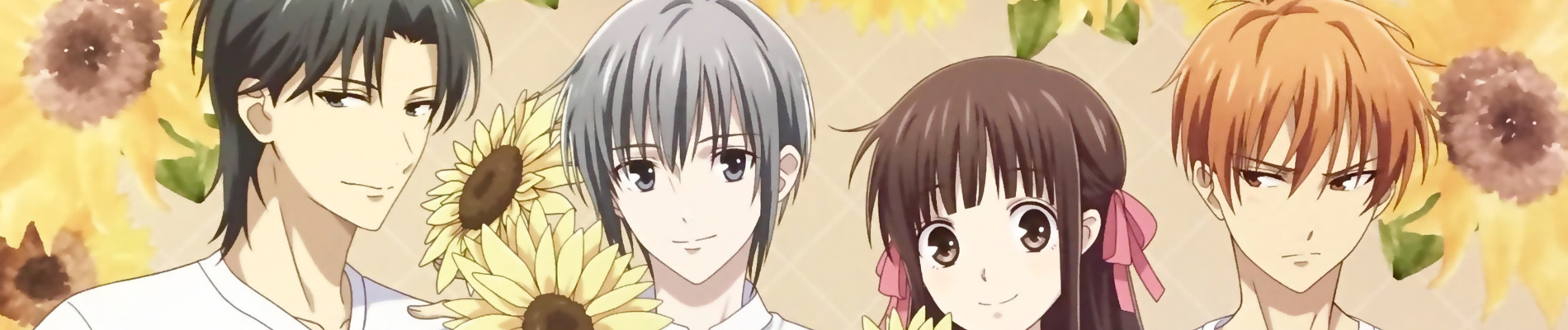
What makes it ache so deeply isn’t the supernatural curse—it’s how ordinary the pain feels. The way Shigure’s laughter rings just a fraction too bright over old wounds. How Yuki’s composure frays not in explosions, but in the tremor of his hand when he pours tea. This is urban fantasy stripped of spectacle: no grand battles, no magic spells—just the weight of inherited silence, the exhaustion of performing “fine,” the slow, terrifying relief of finally whispering I’m not okay. It makes you think about the stories families bury beneath dinner chatter, about how love can be both shelter and shackle, and how healing isn’t linear—it’s Tohru offering miso soup after Kyou shouts, then sitting beside him in silence until his shoulders stop shaking. It’s fragile, intimate, unhurried—a story that trusts you to feel the gravity in a glance, the history in a pause.
That emotional DNA pulses strongest in Persona 5 Royal. Its description promises “exploring Tokyo, building relations”—not just romances, but bonds forged in shared vulnerability: Ann confessing her shame over her mother’s past, Ryuji unraveling his bravado during rainy-day confessions at the batting cage. Like Tohru, Joker listens more than he speaks; like the Soumas, the Phantom Thieves wear masks—not of animals, but of personas—to survive a world that punishes honesty. A player review nails it: “the seamless transition between daily life…”—that’s the heart of Season 2 too: school festivals and grocery runs holding the same emotional stakes as curse revelations. Both understand that real transformation happens in cafés and rooftops, not cathedrals or dungeons.
Then there’s Dragon Age: Origins, where the description asks: “What will be said about the hero who turned the tide?” Not “what did they do,” but what will be said—a question steeped in legacy, memory, and the stories we leave behind. The Souma family is built on exactly that: myths calcified into trauma, ancestors whose pain echoes in Kyou’s isolation or Ayame’s performative joy. A player review praises its “pause attack mechanic… help[ing] a lot to strategize your tactic”—and that’s the quiet genius of Season 2’s pacing: it pauses. Lets you sit with Hatori’s guilt, with Hatsuharu’s fractured self, with the suffocating weight of “duty.” No rush to resolve. Just space—like pausing combat—to truly see someone before acting.
Even Tank Universal, buried under sci-fi tank combat, resonates in its player review: “Play cool tank game with dad when you were 6… dad passes away…” That raw, unvarnished line—how a childhood game becomes a vessel for love, loss, and time’s irreversible passage—is pure Fruits Basket Season 2. Not through plot, but through emotional archaeology: digging up what was buried (a father’s absence, a mother’s death, a clan’s shame) and holding it gently, not to fix it, but to witness it. The anime doesn’t weaponize tragedy—it tends to it, like Tohru tending those cosmos, knowing some roots run too deep to pull, but still watering them anyway.
This pairing sings for the person who cries during grocery lists, who saves voicemails from loved ones long after they’re gone, who understands that “found family” isn’t about replacing blood—it’s about the quiet miracle of choosing to stay in the same room with someone’s brokenness, night after humid night, until the silence stops feeling like an ending and starts feeling like shelter.
🎮14 Games That Match the Vibe


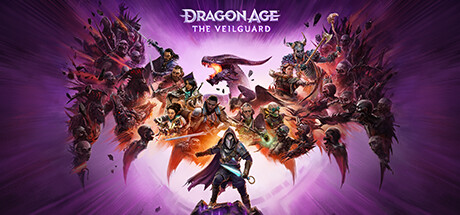

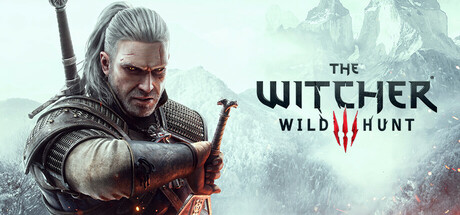



Match Dimensions Explained
❓Frequently Asked Questions
Why does Persona 5 Royal keep coming up in 'games like Fruits Basket Season 2' lists?
Because both lean hard into emotional growth through intimate, character-driven arcs—like how Persona 5’s Ann Takamaki mirrors Tohru’s gentle resilience and evolving self-worth, especially during her Confidant route where she confronts trauma and finds voice, much like Tohru’s journey with the Sohma curse. The game’s daily life rhythm, heartfelt dialogue choices, and focus on healing fractured relationships (think Ryuji’s loyalty or Makoto’s quiet strength) hit the same shoujo-tinged, JRPG-narrative sweet spot as Season 2’s tender flashbacks and family revelations.
Is there a Fruits Basket video game adaptation?
No—there’s never been an official Fruits Basket game adaptation, anime tie-in, or mobile title. That’s why fans turn to narrative-rich games like Dragon Age: Origins, where you build deep bonds with companions (Alistair’s humor and vulnerability, Morrigan’s guarded intimacy) and face emotionally charged choices that echo the Sohma family’s secrecy and longing—especially during the Circle of Magi or Landsmeet sequences, which mirror Season 2’s themes of legacy, sacrifice, and chosen family.
How does Dragon Age: Origins compare to The Witcher 3 for Fruits Basket fans?
Dragon Age: Origins leans into the warm, relationship-first intimacy of Fruits Basket—think slow-burn trust-building with Leliana or Zevran, layered with shoujo-adjacent romance options and emotional consequences that linger across playthroughs. The Witcher 3, by contrast, trades that gentle tenderness for darker, morally gray stakes (like Geralt’s fraught bond with Ciri), matching Season 2’s heavier moments but missing the soft, hopeful heart that defines Tohru’s impact on the Sohmas.
What’s the best game like Fruits Basket Season 2 if I want that bittersweet, healing-after-trauma vibe?
Persona 5 Royal is your top pick—it nails that exact feeling through Ann Takamaki’s Confidant arc, where she processes abuse, rebuilds confidence with support from the Phantom Thieves, and slowly opens up like Tohru does with Shigure and Kyo. The game’s ‘daily life’ structure, heartfelt dialogue trees, and emphasis on emotional honesty (like Ryuji’s loyalty quest or Futaba’s social reintegration) make it feel like stepping into a beautifully animated, interactive version of Season 2’s most cathartic scenes.