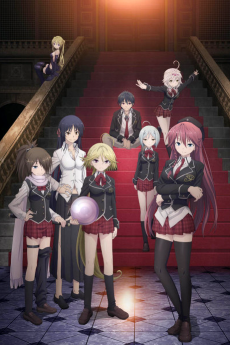
TRINITY SEVEN
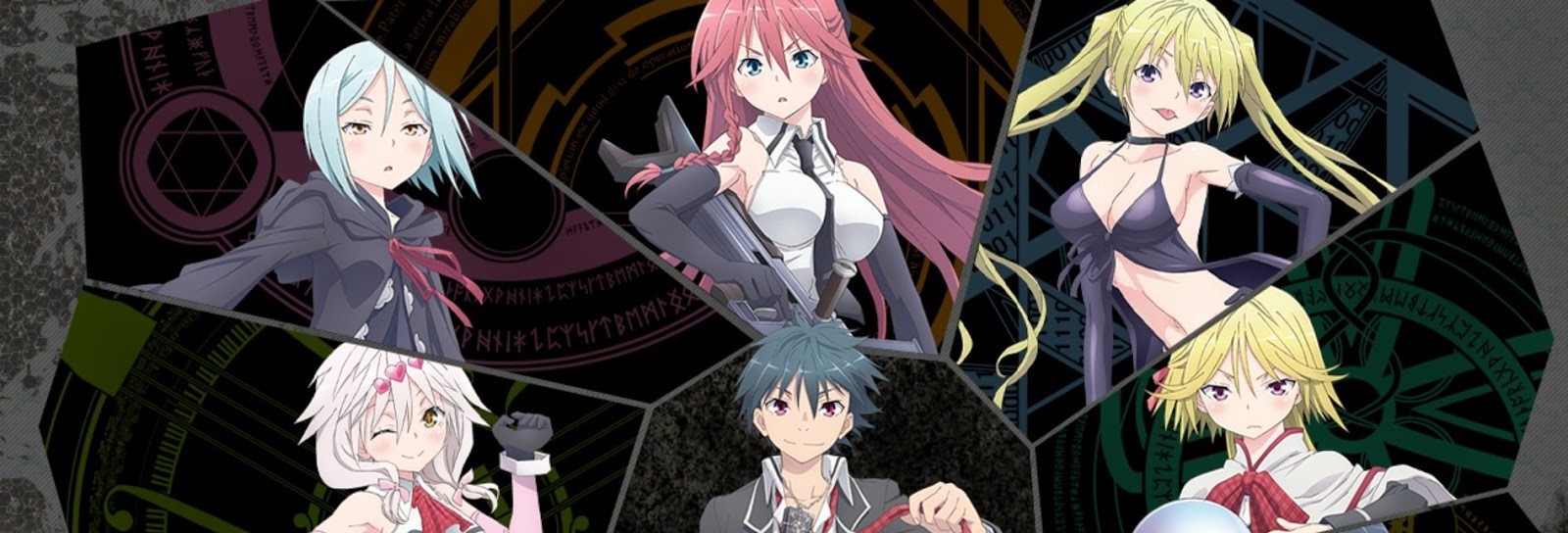
Pride, Envy, Wrath, Sloth, Greed, Gluttony, Lust. These are the seven sins laid upon seven girls who rule over Biblia Academy.
To retake his world, the boy decides he must control these sins... The boy, Arata Kasuga, has had the world he knows hit by a mysterious phenomenon "Collapse Phenomenon", and his cousin Hijiri disappears into another dimension. To understand the Collapse Phenomenon and win back his cousin, he comes to Biblia Academy. There he finds the seven girls and their sins.
(Source: Crunchyroll)
📺Anime Details
📝Editorial Analysis
The air in Biblia Academy’s library shivers—not from wind, but from the weight of a memory slipping out of place. Arata Kasuga stands frozen mid-step as a bookshelf flickers, its spines dissolving into static for half a second—then snapping back, unchanged—while Hijiri’s voice echoes, impossibly clear, from a corridor that doesn’t exist on any map. That split-second fracture isn’t just visual flair; it’s the show’s nervous system laid bare: time isn’t broken here—it’s bruised, and every spell, every henshin, every accidental skirt-flip is a tremor along the same fault line.
What makes TRINITY SEVEN vibrate with such singular energy isn’t its ecchi gags or harem scaffolding—it’s the aching tenderness buried beneath spectacle. This is fantasy where magic feels like grief made physical: seven girls embodying sins not as villains, but as anchors holding reality together after Collapse shattered causality itself. You don’t just watch Arata chase Hijiri across dimensions—you feel the quiet desperation in his hands when he rewinds a spell to undo three seconds of miscommunication, or the way silence hangs thicker than smoke after a memory manipulation fails and someone blinks, confused, at their own reflection. It’s not about power fantasies. It’s about holding on—to people, to time, to the fragile grammar of “before.”
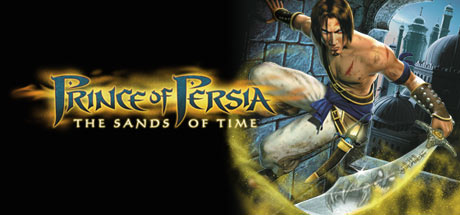
That emotional resonance lands with startling precision in the Prince of Persia trilogy—especially the three titles all scoring 84 and sharing the exact same dimensional coordinates: Time & Memory, Action Spectacle. In Prince of Persia: The Sands of Time, the Prince draws his dagger and rewinds—not to win, but to un-say, un-do, un-lose. The player review calls it “tactical platforming… satisfying due to the locked directions”—but what makes it hurt is how tightly those constraints mirror Arata’s own limits: you can rewind seconds, yes—but never the weight behind them. Every reset is laced with regret, not convenience.
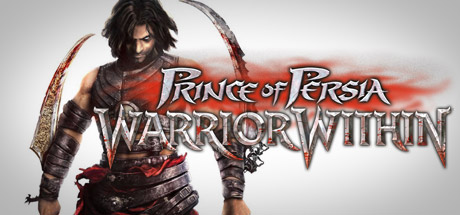
Then comes Prince of Persia: Warrior Within, where the Dahaka hunts relentlessly—not as a boss, but as consequence given teeth. The player says, “Dahaka chase is still as goated as it was before”—and that’s the key: it’s goated because it’s inescapable. Like Arata realizing too late that manipulating time fractures his own memories, the Prince doesn’t outrun fate—he carries it, bleeding, down every corridor. The game’s underworld isn’t geography—it’s psychic residue. Same as Biblia Academy’s shifting halls, same as the way Lust’s crimson magic flares not with lust, but with fear of forgetting.
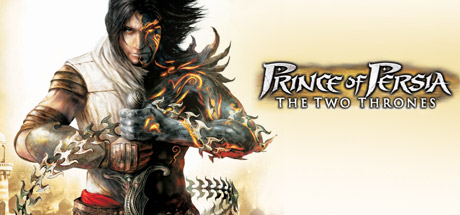
And Prince of Persia: The Two Thrones? Here, the Prince returns home only to find Babylon already ruined, his love Kaileena gone, his identity splintered by the Dark Prince—a literal shadow-self born of trauma. The review calls it “one of my best childhood games… still plays great”—but what lingers isn’t nostalgia. It’s the shock of recognition: that moment when Arata stares at his own reflection in a cracked mirror and sees Hijiri’s eyes staring back—not as possession, but as echo. Both stories treat time not as a river, but as a wound that keeps reopening, and healing means learning to walk with the scar visible.
These pairings aren’t for fans of “magic schools” or “time travel plots.” They’re for the person who rewatched TRINITY SEVEN’s episode where Sloth’s power freezes an entire hallway—not to skip class, but to buy five extra seconds to ask Arata if he remembers her name before the Collapse. For the one who booted up Warrior Within at 2 a.m., not for combat flow, but because the Dahaka’s breath on the back of your neck feels like the moment Hijiri vanishes—and you know, deep in your ribs, that some chases are about witnessing, not catching. This is for anyone who’s ever held a photo of someone they loved, stared until the edges blurred, and whispered, “Just let me get one thing right this time.” Not louder. Not faster. Just true.
🎮4 Games That Match the Vibe
Match Dimensions Explained
❓Frequently Asked Questions
Why is Prince of Persia: Warrior Within recommended for TRINITY SEVEN fans?
Because both lean hard into stylish, high-stakes supernatural action with morally grey protagonists—Warrior Within’s Prince wrestling his inner darkness and Dahaka’s relentless chases mirror Trinity Seven’s Arata confronting eldritch forces and his own fractured psyche. The game’s ‘Time & Memory’ dimension also echoes the series’ obsession with rewriting fate, like when Arata rewinds time during the Library of Babylon arc.
Is there a TRINITY SEVEN anime or game adaptation?
No—TRINITY SEVEN is an original anime/manga franchise with no official video game adaptation. But if you love its blend of magical girl aesthetics, demonology, and time-bending combat, Prince of Persia: The Sands of Time nails that same vibe: think Kaileena’s ethereal presence and the Dagger’s rewind mechanic mirroring Anna’s Chronos magic or Mira’s temporal spells.
How does Prince of Persia: The Two Thrones compare to TRINITY SEVEN in terms of tone and powers?
Both pivot on a charismatic, snarky hero gaining unstable otherworldly power—the Prince’s Dark Prince alter ego (with sand-wreathed blades and brutal finishers) feels like a grittier cousin to Arata’s Demon Lord awakening. And just like Trinity Seven’s Library battles, Two Thrones’ final confrontation in the Royal Palace layers memory, identity, and time manipulation in ways that hit the same emotional and visual notes.
What’s the best TRINITY SEVEN-like game if I want stylish action + melancholy time-magic vibes?
Go straight to Prince of Persia: The Sands of Time—it’s got that perfect mix: fluid acrobatic combat (like Arata dodging curses mid-air), hauntingly beautiful ruins (think Babylon Library vs. Azad’s ancient temples), and the dagger’s rewind ability that mirrors Trinity Seven’s time-rewind spells—especially in scenes where you undo fatal falls or failed combos, just like Arata resetting moments to save Lilith.