
Tokyo Revengers
Takemichi Hanagaki is a freelancer that's reached the absolute pits of despair in his life. He finds out that the only girlfriend he ever had in his life that he dated in middle school, Hinata Tachibana, had been killed by the ruthless Tokyo Manji Gang.
The day after hearing about her death, he's standing on the station platform and ends up being pushed over onto the tracks by a herd of people. He closes his eyes thinking he's about to die, but when he opens his eyes back up, he somehow had gone back in time 12 years.
Now that he's back living the best days of his life, Takemichi decides to get revenge on his life by saving his girlfriend and changing himself that he'd been running away from.
(Source: Crunchyroll)
📺Anime Details
📝Editorial Analysis
The screech of train brakes. The shove from behind—sudden, impersonal, a tide of commuters erasing individual will. Takemichi Hanagaki’s knees hit cold concrete, then air, then nothing but the blinding white of oncoming headlights and the thud of his own heartbeat in his ears—not as rhythm, but as countdown. He doesn’t scream. He closes his eyes. And when he opens them again, he’s thirteen again, standing outside Shibuya Station, backpack slung over one shoulder, sunlight glinting off the soda can in his hand—Hinata’s voice calling his name from across the street. That moment isn’t hope. It’s vertigo: time not bending, but shattering, leaving him suspended between grief so raw it tastes like copper and a past he barely remembers—but now must live.
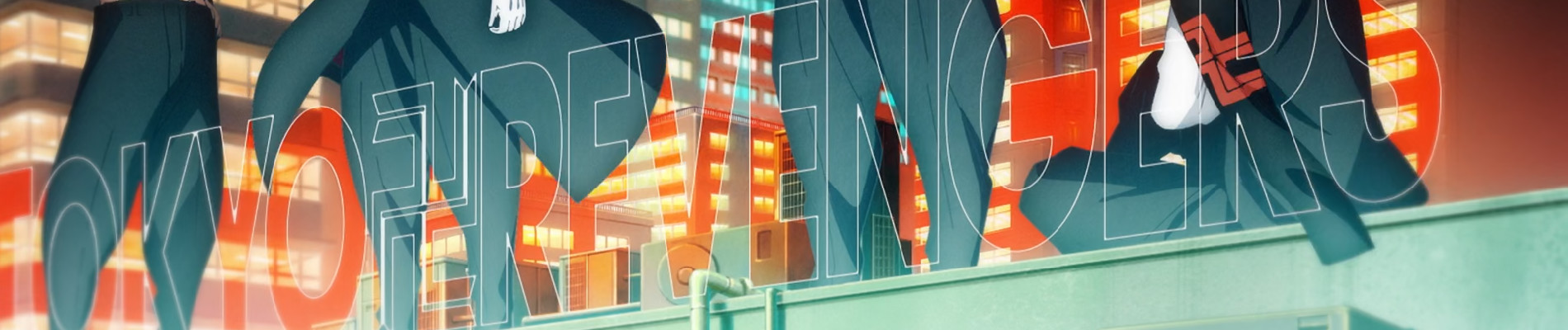
What makes Tokyo Revengers ache so deeply isn’t its gangs or time jumps—it’s the suffocating weight of irreversible consequence. Every rewind is less a reset and more a surgical re-entry into a wound that never closed. You don’t feel powerful watching Takemichi beg for seconds, stall a fight, or whisper warnings to kids who don’t know they’ll die. You feel fragile. The urban sprawl of Tokyo isn’t backdrop—it’s architecture of regret: cracked pavement, flickering convenience store lights at 3 a.m., the echo of footsteps in an empty school hallway after a fight. This isn’t nostalgia—it’s haunting. It makes you stare at your own hands and wonder what small choice, unmade or misread, might’ve changed everything. It forces you to sit with the quiet horror of realizing you were there, once, and didn’t know how much it mattered.
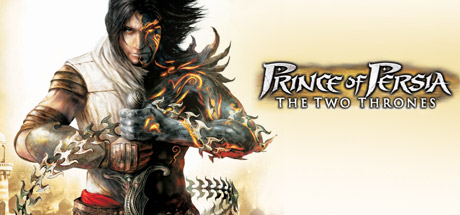
That emotional resonance lands with startling precision in Prince of Persia: The Two Thrones™, where the Prince returns to Babylon not as savior, but as a man already infected—by darkness, by memory, by the cost of survival. Like Takemichi, he’s not rewriting history from scratch; he’s wrestling with a self he can’t outrun, carrying trauma that physically mutates him. The game’s “Neon Noir” aesthetic—oil-slick shadows bleeding into golden-hour light—mirrors Tokyo Revengers’ visual grammar: beauty and brutality sharing the same frame, same breath. And the player review nails it: “one of my best childhood games… still plays great”—a testament to how deeply personal, how time-stuck, this kind of story feels. It’s not about winning. It’s about recognizing yourself in the reflection of a corrupted mirror—and choosing to keep moving anyway.
Then there’s the shared pulse of dimmed time. Both works treat time not as a tool, but as a scar tissue. In Prince of Persia: The Two Thrones™, the Sands of Time aren’t just mechanics—they’re memory made manifest, slipping through fingers, distorting perception, forcing the Prince to relive moments where love and ruin are two sides of the same blade. Just like Takemichi’s rewinds aren’t clean loops—they fray at the edges, bleed emotion into logic, make him older inside each time he goes back. The “Time & Memory” dimension tag isn’t flavor text. It’s the central nervous system: every decision echoes because memory refuses to let go. You don’t forget Hinata’s laugh. You don’t forget Kaileena’s last words. They linger—not as comfort, but as gravity.
This pairing isn’t for fans of time travel as spectacle. It’s for the ones who flinch when a song from middle school comes on shuffle. For the ones who scroll past old group chats and pause—not out of longing, but dread—wondering what version of themselves they’d have to confront if they could go back. It’s for players who replay the final boss of Prince of Persia: The Two Thrones™ not to win faster, but to breathe in that last corridor before the throne room, where the music swells and the walls seem to lean in—and feel, viscerally, the weight of every path not taken. It’s for viewers who watch Takemichi stand frozen in front of Hinata’s classroom door, hand hovering over the knob, and think: I know that hesitation. Not the fear of failure—but the terror of remembering how it felt to believe, before the world taught you not to. These stories don’t offer redemption. They offer something rarer: recognition. A nod in the dark. A shared, quiet understanding that some wounds don’t close—they become the shape of your heart.
🎮2 Games That Match the Vibe
Match Dimensions Explained
❓Frequently Asked Questions
Why does Prince of Persia: The Two Thrones feel like Tokyo Revengers despite being set in ancient Babylon?
It’s all about the time-loop tension and morally gray choices—like when the Prince battles his darker self, Dark Prince, during the sandstorm sequences, mirroring Takemichi’s desperate rewinds to save Mikey. The Neon Noir aesthetic (glowing sand effects, stark silhouettes against twilight skies) and memory-driven narrative—especially Kaileena’s tragic arc—hit that same emotional, high-stakes vibe fans love in Tokyo Revengers.
Is there a Tokyo Revengers video game adaptation?
No official Tokyo Revengers game exists—Bandai Namco hasn’t licensed one, and no console or mobile title has been released or announced. Fans looking for that same gritty delinquent drama with time manipulation have turned to Prince of Persia: The Two Thrones instead, since its 84 Metacritic score and time/memory mechanics scratch that exact itch.
Prince of Persia: The Two Thrones vs. Tokyo Ghoul: Jail—which is closer to Tokyo Revengers’ tone?
Definitely Prince of Persia: The Two Thrones—it nails the ‘broken hero racing against time to undo tragedy’ core better than Tokyo Ghoul: Jail’s slower, investigation-heavy pacing. The Prince’s guilt-ridden flashbacks, Kaileena’s betrayal scene, and those tense rooftop chases where every misstep risks erasing progress? That’s pure Takemichi energy—no kaneki masks required.
What’s the best game like Tokyo Revengers if I want that intense, emotional ‘last-chance’ feeling?
Prince of Persia: The Two Thrones is your top pick—its entire third act hinges on the Prince choosing between vengeance and redemption while literally fighting his own corrupted memories. When he collapses in the Palace Courtyard after failing to save Kaileena—then wakes up *seconds earlier*, heart pounding—that’s the exact visceral, breathless ‘one more try’ rush Tokyo Revengers fans live for.