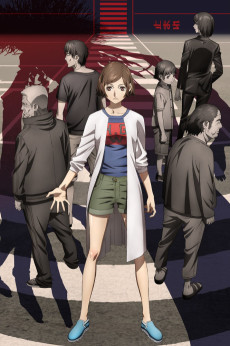
KOKKOKU
Juri Yukawa lives with her NEET father and brother, her retired grandfather, her sister and her young nephew. One day, her nephew and brother are kidnapped for ransom. Having only 30 minutes to meet the demands of the kidnappers, Juri, who realizes there is not enough time to prepare the money, decides to head for their rescue by herself with knife in hand when her grandfather uses a mysterious stone passed on in the Yukawa family to stop time. In a world where everyone and everything are inert, Juri and her father and grandfather run to rescue the two. But at the kidnappers' hideout, they soon realize they are not the only ones who can move about in this still world...
📺Anime Details
📝Editorial Analysis
The knife is cold in Juri’s palm. Her breath hitches—not from fear, but from the weight of seconds collapsing: thirty minutes to gather ransom money, her nephew’s small hand already gone, her brother’s voice cut off mid-sentence on the phone, the apartment door still swinging shut behind her as she bolts into the rain-slicked Tokyo street. Then—silence. Not quiet. Absolute suspension. The raindrops hang like glass beads midair. A passing cyclist freezes mid-pedal, jacket flapping in a wind that no longer moves. Her grandfather’s voice cuts through the stillness, low and certain: “This stone stops time—but only for us.” That first beat after the world halts isn’t relief. It’s vertigo. It’s responsibility sharpening to a blade’s edge.
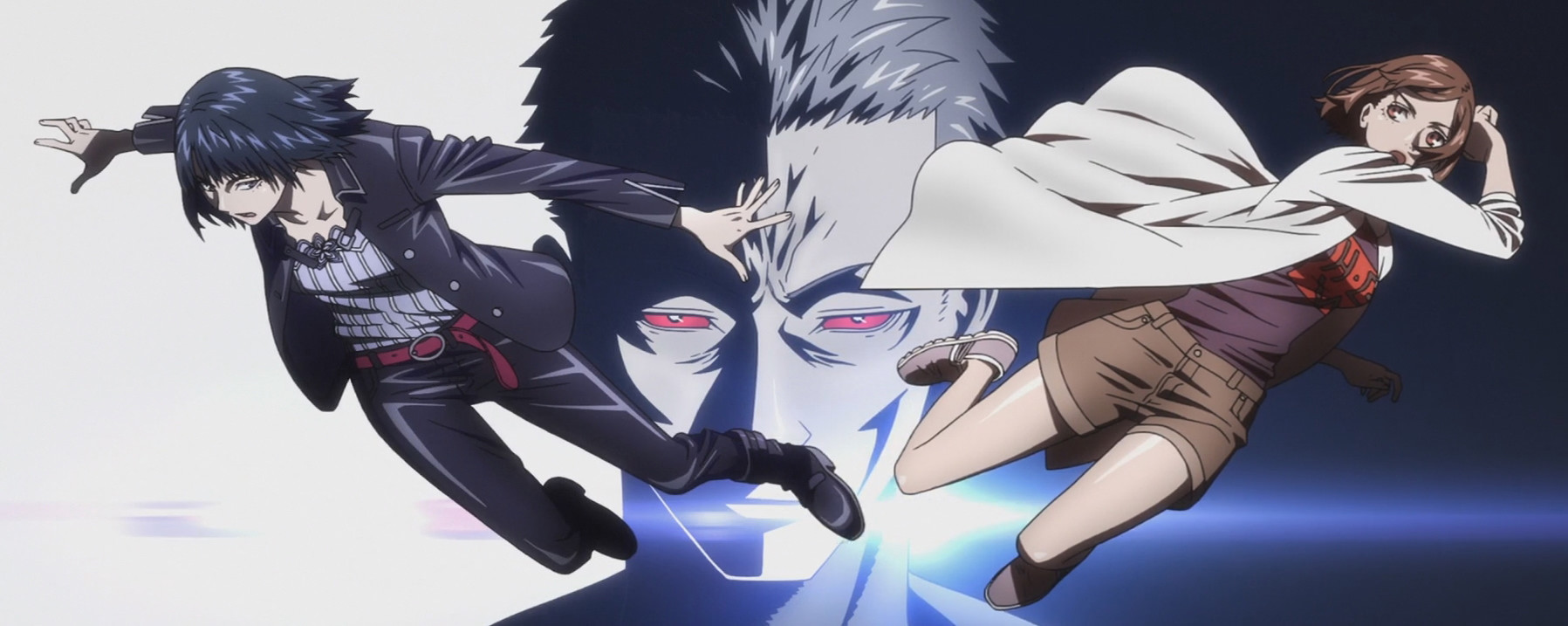
What makes KOKKOKU’s atmosphere unmistakable isn’t its urban fantasy trappings or even its time-manipulation mechanics—it’s the claustrophobia of love under pressure. This isn’t time travel or grand cosmic paradoxes. It’s time as emergency protocol: a desperate, inherited tool wielded by an ordinary woman who cooks dinner, argues with her NEET father, and folds laundry—all while carrying the unbearable weight of keeping her family intact. The supernatural isn’t wondrous here; it’s domesticated dread. Every stopped second hums with the tension of what could shatter if Juri blinks wrong—the cult’s reach, her grandfather’s fading strength, the sheer physical exhaustion of moving through frozen air while her heart races in real time. You don’t feel awe. You feel tremor—in your jaw, your shoulders, your throat—because this story treats family not as backdrop, but as the only thing worth bending physics to protect.
That tremor echoes sharply in BioShock Infinite. Its description names Booker DeWitt as “indebted to the wrong people, with his life on the line”—a man drowning in consequence, just as Juri drowns in minutes. The player review admits bitterness about “the Bioshock Infinite we could have gotten,” yet affirms something deeper: after reckoning with its layers, the emotional core holds. Like Juri, Booker doesn’t wield power for glory—he uses it in service of a single, fractured bond (Elizabeth), navigating shifting realities where memory and guilt blur. Both stories force you to move through time not as spectacle, but as trauma made tangible—every rewound moment, every fractured timeline, charged with the same raw, unforgiving stakes.
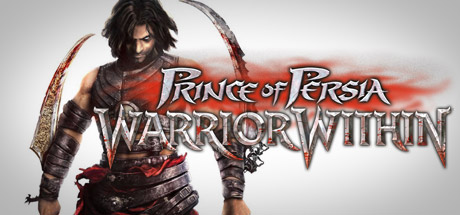
Then there’s Prince of Persia: Warrior Within, hunted by Dahaka—an “immortal incarnation of Fate.” The player review calls the Dahaka chase “goated,” not for flash, but for its relentless, breathing presence: a force that cannot be outrun, only outmaneuvered in narrow corridors of time. Juri faces no literal monster—but the kidnappers’ deadline is Dahaka. The clock isn’t abstract; it’s a predator pacing just outside the frame. And like the Prince, Juri must master time’s rules not to conquer, but to survive long enough to choose. The game’s “dark underworld” mirrors KOKKOKU’s descent—not into myth, but into the grimy stairwells, abandoned lots, and flickering convenience stores of Tokyo’s underbelly, where every decision risks fracturing the fragile web holding her family together.
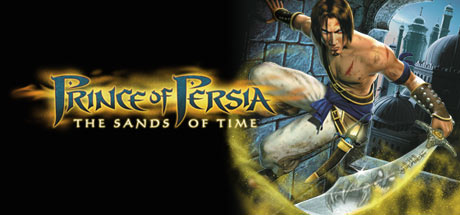
Even Prince of Persia®: The Sands of Time, often remembered for its fluid platforming, shares this DNA. Its description centers on a prince “drawn to the dark powers of a magic dagger”—a tool he didn’t ask for, one that unravels reality with every use. The player review praises its “tactical platforming” and “satisfying” challenge—but what lingers is the burden of control: the dagger isn’t freedom. It’s accountability. Juri’s stone works the same way. Each activation strains her body, frays her focus, risks her grandfather’s life. There’s no triumphant slow-motion leap—just the grit of boots on wet pavement, the ache in her arms dragging her brother’s unconscious weight, the exhaustion of holding time still while her own pulse screams forward.
This pairing speaks to someone who watches anime not for escape, but for recognition: the viewer who keeps tissues nearby not for tears, but for the sweat on their palms during a silent kitchen argument; the player who replays a boss fight not to win faster, but to feel again that split-second choice where mercy and survival collide. They’re drawn to stories where power is measured in heartbeats, not hit points—and where love, messy and loud and utterly unglamorous, is the only magic strong enough to stop time.
🎮5 Games That Match the Vibe
Match Dimensions Explained
❓Frequently Asked Questions
Why does KOKKOKU's time-loop structure feel so different from Prince of Persia: The Sands of Time?
Great question — it’s all about *agency vs. consequence*. In KOKKOKU, every loop forces Junta to confront emotional fallout (like his guilt over Natsuki’s injury or his strained talk with his mom in the hospital hallway), while Sands of Time uses time rewinding as a *mechanical tool*: you rewind seconds to fix platforming missteps or undo combat mistakes — think jumping off a crumbling pillar and hitting R1 to snap back. The Prince never grapples with memory fragmentation or moral weight across loops like Junta does when he remembers Natsuki’s quiet 'I’m tired' before the accident.
Is there an anime or manga adaptation of BioShock Infinite that captures KOKKOKU’s emotional time-loop vibe?
No official anime or manga adaptation exists for BioShock Infinite — just the game and its DLCs. But tonally, it *does* echo KOKKOKU’s layered time themes: Booker’s fractured memories of Columbia, Elizabeth’s ability to see 'lives unlived', and that gut-punch ending where Comstock’s timeline collapses like Junta’s repeated subway scenes — both hinge on identity, regret, and irreversible choices. It’s not adaptation, but *resonance*: same 'Adult & Dark Seinen' dimension, same haunting use of time as emotional architecture.
How do Prince of Persia: Warrior Within and KOKKOKU compare when it comes to chasing sequences?
Warrior Within’s Dahaka chase is pure adrenaline — narrow corridors, collapsing floors, frantic button-mashing to outrun death incarnate — it’s physical, relentless, and almost cathartic. KOKKOKU’s chases are quieter but heavier: Junta sprinting through rain-slicked streets trying to reach Natsuki *before* the train, heart pounding not from stamina bars but from knowing *exactly* what happens if he’s 3 seconds late. Both use time as pressure, but Warrior Within screams; KOKKOKU whispers — then breaks your heart in the station bathroom scene.
What’s the best game like KOKKOKU if I want that melancholy, rain-soaked, 'quiet dread' vibe?
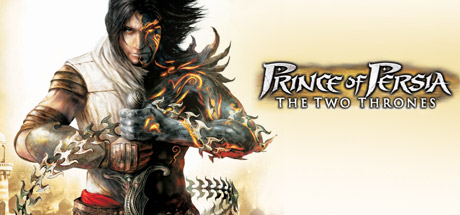
Go straight to Prince of Persia: The Two Thrones — especially the Babylon siege sections where the Prince battles his own darkness (the Dark Prince) amid crumbling, ash-choked ruins and flickering torchlight. That oppressive, slow-burn tension? That sense of inevitability as Kaileena’s fate unfolds despite your efforts? It mirrors KOKKOKU’s mood perfectly — not with flashy time powers, but with visual weight, exhausted movement, and emotional exhaustion baked into every frame, like Junta dragging himself up those hospital stairs for the fifth time.