
Seraph of the End: Vampire Reign
The story takes place in a world where an unknown virus has killed the entire human population except for children under 13. Those children were then enslaved by vampires. The manga centers on Yuichiro Hyakuya, a human who dreams of becoming strong enough to kill all vampires.
(Source: Anime News Network)
📺Anime Details
📝Editorial Analysis
The smell of rain on cracked asphalt. A child’s bare feet slapping wet concrete as he sprints—not toward safety, but away from the sound of wings cutting air above the ruins of Tokyo Tower. Yuichiro Hyakuya doesn’t look back. His breath is ragged, his knuckles split, his uniform torn at the shoulder where a vampire’s claw just missed his spine. He’s twelve years old and already knows two truths: time does not heal, and mercy is a luxury the enslaved cannot afford.
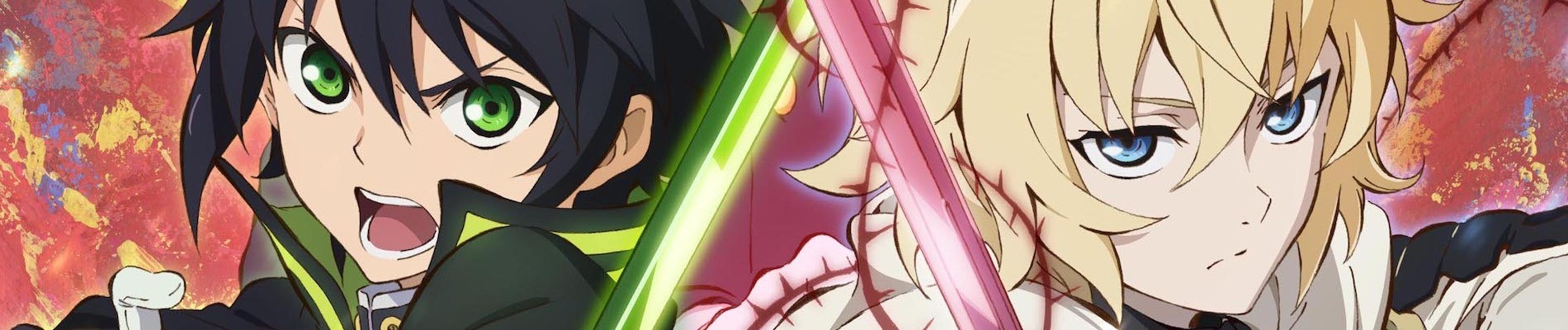
That moment—raw, breathless, unrelenting—is Seraph of the End: Vampire Reign in its purest pulse. Not spectacle for spectacle’s sake, but urgency with weight: every leap, every stumble, every choked gasp carries the gravity of a world that ended while its children were still learning to tie their shoes. This isn’t just post-apocalyptic—it’s post-innocence. The atmosphere isn’t dread as abstraction; it’s the metallic tang of blood mixed with rainwater, the hollow echo of military boots marching over rubble where schools used to stand, the way silence after a battle feels less like peace and more like waiting for the next fang to pierce skin. It makes you feel small, yes—but also fiercely, dangerously aware: awareness sharpened by loss, honed by rage, edged with the quiet, terrifying clarity of someone who has nothing left to lose except his vow.
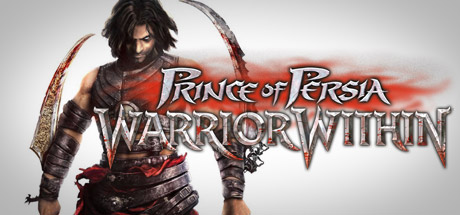
That emotional DNA—the tension between memory and vengeance, the physicality of survival in a broken world, the haunting presence of forces older and colder than human grief—resonates powerfully in three games whose real descriptions and player voices confirm the kinship. First, Prince of Persia: Warrior Within™, where the Prince is hunted by Dahaka, an immortal embodiment of consequence. The player review calls the chase “still as goated as it was before”—and that’s the key: it’s not about winning, but enduring a relentless, time-bent pursuit that reshapes identity. Like Yuichiro running from vampires who see him as vermin, the Prince runs from a force that refuses to let him outrun what he’s done. Both are defined by motion under pressure, where every dodge, every parry, every desperate vault is an act of defiance against inevitability.
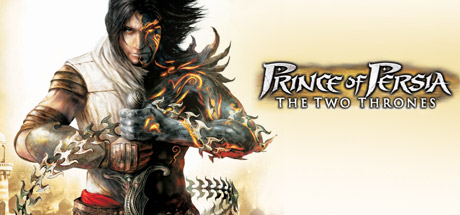
Then there’s Prince of Persia: The Two Thrones™, where the Prince returns to Babylon only to find his homeland “ravaged by war” instead of peace. That dissonance—expecting sanctuary and stepping into devastation—is exactly Yuichiro’s arc across the time skip: he emerges stronger, trained, armed… only to face a hierarchy of vampires more entrenched, more cruel, more bureaucratically monstrous than before. The player’s nostalgia (“one of my best childhood games”) mirrors how Seraph of the End weaponizes childhood itself—not as innocence lost, but as a wound that never scabs over, kept raw by the very systems built atop it.
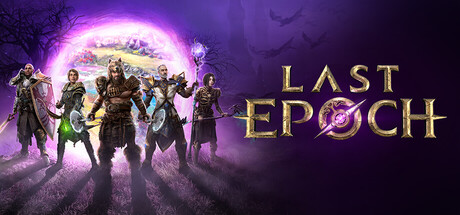
And though tonally broader, Sacred Gold shares something quieter but just as vital: its description names “a shadow of evil [that] has fallen on the kingdom of Ancaria,” demanding champions who “battle blood-thirsty orcs & lumbering ogres… Destroy undead.” That scale of systemic rot, where evil isn’t one villain but a landscape—corrupt, layered, persistent—is the same suffocating reality Yuichiro navigates. The player review admits it’s “full of jank,” yet the yearning beneath the frustration—“a time for champions”—echoes the anime’s core ache: the desire to mean something when the world has declared you meaningless.
This pairing isn’t for fans of “cool fights” or “vampire aesthetics” alone. It’s for the viewer who holds their breath during Yuichiro’s first solo ambush—not because they wonder if he’ll win, but because they remember what it feels like to be twelve and certain that strength is the only language the world understands. It’s for the player who replays Warrior Within not for the combat system, but for the weight of Dahaka’s footsteps behind them—the visceral memory of being hunted, not by monsters, but by time itself. These are stories for people who understand that revenge isn’t a goal—it’s the rhythm your heart learns to beat in when the world stops keeping time for you.
🎮12 Games That Match the Vibe



Match Dimensions Explained
❓Frequently Asked Questions
Why is Prince of Persia: Warrior Within recommended for Seraph of the End fans?
Because both lean hard into brooding, morally gray protagonists hunted by unstoppable supernatural forces—like the Prince fleeing the Dahaka’s relentless, time-bending chases, which echo Yuichiro Hyakuya’s desperate escapes from vampire hunters and cursed bloodlines. The dark fantasy tone, visceral sword combat, and oppressive underworld atmosphere (especially in the Island of Time sequences) hit that same gothic, high-stakes vibe as Seraph’s apocalyptic vampire war.
Is there a Seraph of the End video game adaptation?
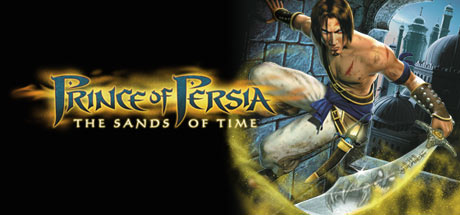
No—there’s never been an official Seraph of the End game adaptation, despite the anime’s popularity. Fans looking for that blend of tragic vampire lore, tactical melee combat, and emotional weight often pivot to titles like Prince of Persia: The Sands of Time, where the Prince’s guilt-driven arc, dagger-powered time rewinds, and intimate betrayals (like Kaileena’s fate) scratch similar narrative and tonal itches.
How does Sacred Gold compare to Prince of Persia: Warrior Within for Seraph of the End fans?
Sacred Gold leans into grim, loot-driven Dark Fantasy with hordes of undead and orcs—but it’s janky, unstable on modern systems, and lacks the tight, character-driven storytelling and cinematic action spectacle you get in Warrior Within. If you want Seraph’s gothic dread and personal stakes, Warrior Within’s Dahaka chase sequences and Prince’s internal struggle deliver far more resonance than Sacred Gold’s chaotic, bug-ridden open-world grind.
What’s the best game like Seraph of the End if I want that intense, emotionally raw ‘last stand’ feeling?
Prince of Persia: The Two Thrones—especially its final act in Babylon—is your best bet. The Prince’s fractured psyche, his battle against the Dark Prince persona, and the ruined cityscape under siege mirror Seraph’s climactic battles where characters choose sacrifice over survival (think Mikaela’s resolve or Guren’s final stand). It’s got that same raw, operatic intensity—just swap vampires for time-corrupted rage and crumbling palaces for burning cathedrals.