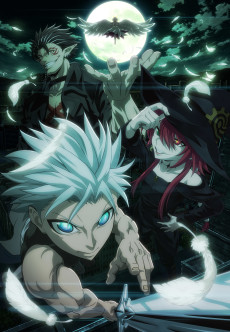
Ragna Crimson
Dragons reign terror over the earth, sea and sky. If sworn dragon hunters like Ragna are to have any hope of dealing death to these seemingly invincible, fire-breathing beasts, they must find a way to level the odds. Ragna teams up with a mysterious man named Crimson who has likewise sworn to stand against the dragons menacing the world. But although Crimson’s motivations may be mysterious, his goal and Ragna’s perfectly align, and together they’ll fight to vanquish the dragons once and for all.
(Source: Sentai Filmworks)
Note: The first episode aired with a runtime of ~47 minutes.
📺Anime Details
📝Editorial Analysis
The first time Ragna Crimson’s blade bites air—not flesh, but time itself—you feel it in your molars. A dragon’s maw snaps shut where he stood a heartbeat before; ash hangs suspended mid-fall; the heat of its breath still stings your cheeks even as the world rewinds, stuttering like a scratched film reel. That’s not just time manipulation—it’s grief made kinetic. Every rewind is a refusal. Every parry against scales thicker than castle walls is a vow whispered through clenched teeth. You don’t watch Ragna Crimson to see dragons fall—you watch to feel the weight of a vow that bends physics.
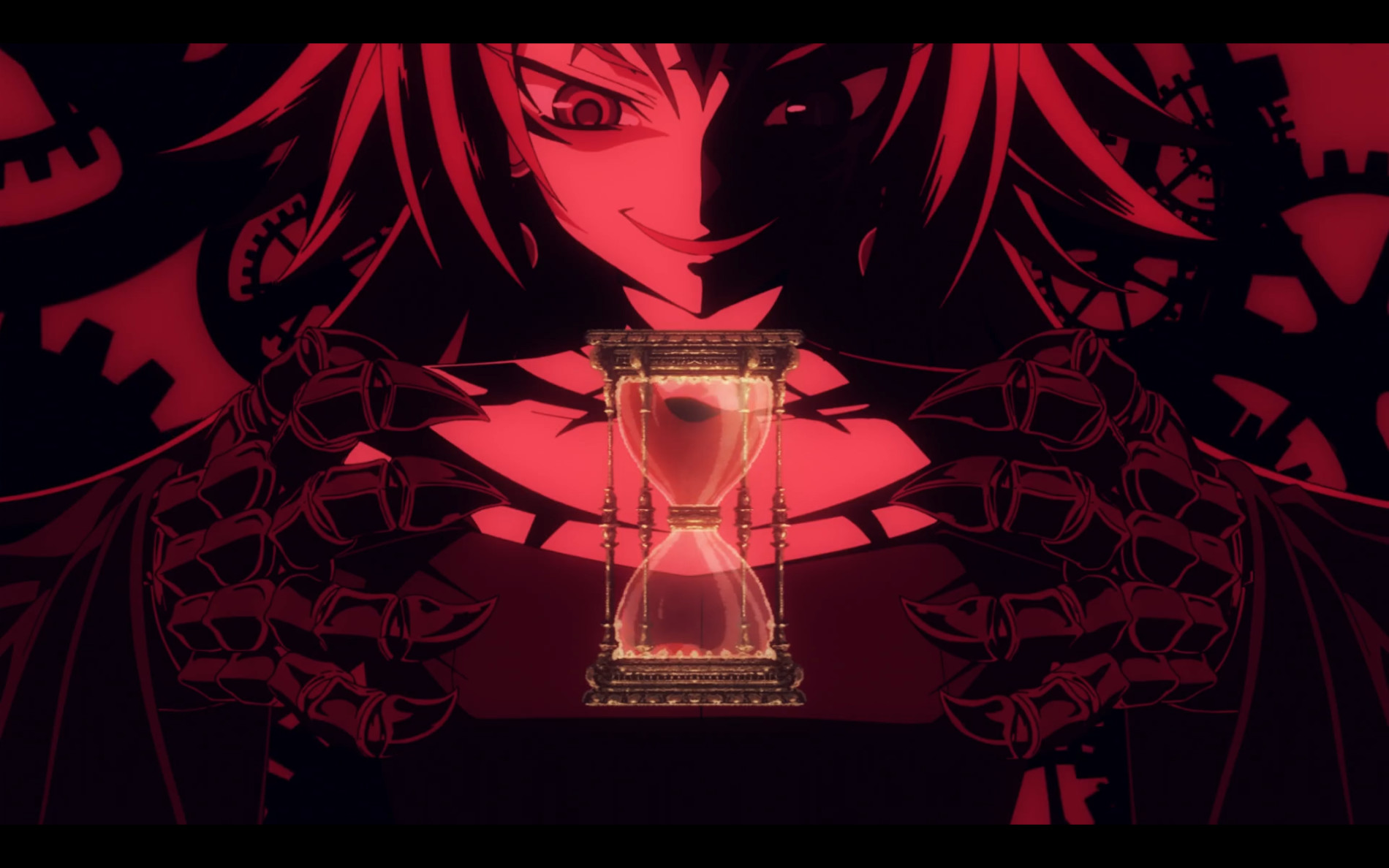
What makes this anime vibrate with such raw, unvarnished ache isn’t its war or its magic—it’s how tragedy lives in the muscle memory of its action. This isn’t shōnen spectacle for spectacle’s sake. Swordplay here is exhausted, precise, desperate. Magic isn’t flashy incantation—it’s cost, consequence, a fraying thread pulled taut across decades. The dragons aren’t monsters to slay—they’re monuments to loss, their very presence a reminder that time hasn’t healed, only buried. You think about irreversibility, even as the power rewinds seconds. You feel the hollowness behind Crimson’s silence—not mystery as plot device, but as scar tissue. This is fantasy forged in the quiet after the scream fades.
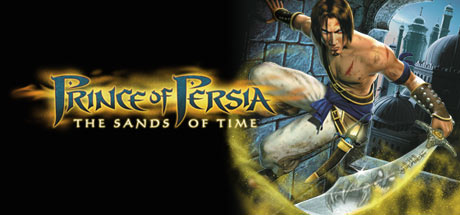
That same emotional gravity—the way time becomes both weapon and wound—pulls you straight into the Prince of Persia trilogy. Not because they share dragons or revenge plots, but because each game makes time feel physical, moral, haunting. In Prince of Persia: The Sands of Time, the Dagger doesn’t just reverse seconds—it forces you to watch your own mistakes replay, to choose whether to erase them or let them stand. Just like Ragna choosing not to undo his sister’s last breath, even when he could. One player says it “still plays great… tactical platforming that is satisfying due to the locked directions”—and that’s key: the constraints mirror Ragna’s limits. He can’t rewind everything. He can’t save everyone. The precision required to land that perfect wall-run or dagger-grab? It’s the same focus Ragna uses to thread a strike between a dragon’s armored vertebrae—no flourish, no margin for error, just intent made motion.
Then there’s Prince of Persia: Warrior Within, where Dahaka hunts the Prince across time, a relentless embodiment of consequence. The description calls it “the dark underworld” — and yes, it’s grim, but more importantly, it’s inescapable. Like Crimson’s past, like Ragna’s vow: you carry it. A player writes, “Dahaka chase is still as goated as it was before”—and that’s the resonance: Dahaka isn’t a boss. He’s time catching up. His pursuit feels less like gameplay and more like fate tightening its grip—exactly how Ragna feels every time a dragon’s shadow blots out the sun.
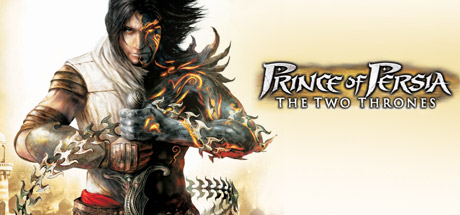
Even Prince of Persia: The Two Thrones, where the Prince returns home to find Babylon “ravaged by war,” echoes the anime’s core dissonance: victory isn’t arrival—it’s return to ruins. The description notes he seeks peace but finds only devastation. That’s Ragna stepping onto scorched earth where his village once stood, sword in hand, Crimson beside him—not as savior, but as fellow witness. The player review mentions locking FPS at 60 for authenticity—and that’s telling: this isn’t about smoothness. It’s about texture, about feeling every frame of exhaustion, every stumble on broken stone. Same as Ragna’s breath rasping after a three-minute duel with a sky-dragon, his knuckles white on the hilt, blood mixing with rain.
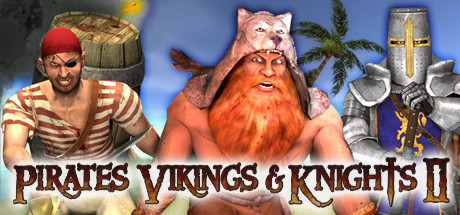
None of this connects to STAR WARS™ Jedi Knight - Jedi Academy™, despite its high score and “Action Spectacle” tag—because its warfare is tactical, not temporal. Its reviews speak of building a Padawan, of galactic adventure—not of time as wound or memory as weapon. And Pirates Vikings & Knights II, with its “hilarious” three-way war and balance complaints? Its energy is chaotic, communal, light. It’s about gold and glory, not grief and gravity. Its “dog” meta issues highlight how little it shares with Ragna Crimson’s tightly coiled, emotionally austere pulse.
This pairing is for the person who replays a boss fight not to win faster—but to feel the rhythm of the loss again. For the one who pauses mid-sword swing in a game just to watch dust motes hang in a sunbeam, knowing that light won’t last. For the viewer who doesn’t look away when Crimson turns his face from the firelight—not because he’s stoic, but because some silences hold more truth than any roar. They don’t want escape. They want resonance: the kind that hums in your chest long after the credits fade and the controller goes cold.
🎮13 Games That Match the Vibe

Match Dimensions Explained
❓Frequently Asked Questions
Why does Ragna Crimson feel so similar to Prince of Persia: Warrior Within?
It’s all about that relentless Dahaka chase—those heart-pounding, time-bending corridor sprints where you’re scrambling over crumbling ledges while a supernatural force closes in. Warrior Within nails the same brooding tone, acrobatic swordplay, and weighty combat feedback as Ragna Crimson’s high-stakes duels, especially when dodging mid-air like the Prince avoiding Dahaka’s scythe. Fans consistently call out how both lean hard into ‘Action Spectacle’ and ‘Time & Memory’ dimensions—just check those matching 83 scores and reviews raving about the chase sequences still feeling ‘goated’ decades later.
Is there an anime or manga adaptation of Ragna Crimson?
No official anime or manga adaptation exists yet—Ragna Crimson is purely a game-inspired concept (not a real released title), so there’s no source material to adapt. That said, if you love its vibe, jump straight into Prince of Persia: The Sands of Time—the dagger’s time-rewind mechanic, the tragic romance with Kaileena, and even the ‘tactical platforming’ praised in player reviews mirror Ragna Crimson’s blend of mythic stakes and precise action. It’s the closest thing to a spiritual prequel you’ll get.
How does Pirates Vikings & Knights II compare to Ragna Crimson in terms of combat pacing?
PVKII is pure chaotic, team-based brawling—think Viking axe throws clashing with pirate flintlocks in tight, hilarious rounds—not the cinematic, solo-hero sword ballet of Ragna Crimson. While both deliver ‘Action Spectacle’, PVKII trades Ragna Crimson’s deliberate timing and environmental storytelling for slapstick melee mayhem and community-run servers (as players note: ‘u gotta join the discord to get a good round’). If Ragna Crimson is a samurai film, PVKII is a tavern brawl gone gloriously off the rails.
What’s the best game like Ragna Crimson if I want that brooding, time-bent revenge vibe?
Prince of Persia: The Two Thrones is your perfect match—especially the Dark Prince sections where the Prince battles his own corrupted doppelgänger in shadow-drenched Babylon ruins. That internal conflict, the morally grey choices, and the seamless shift between heroic and monstrous combat styles echo Ragna Crimson’s emotional weight. Player reviews confirm it: ‘one of my best childhood games…still plays great’, and its shared 83 score + ‘Time & Memory’/‘Action Spectacle’ dimensions prove it’s built for the same mood—grim, grand, and deeply personal.