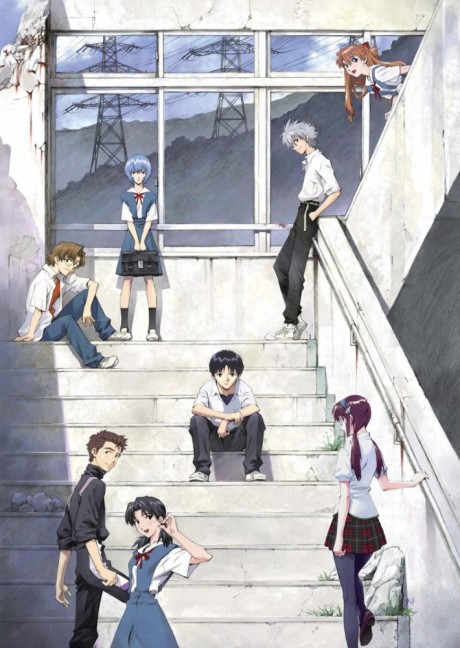
Evangelion: 2.0 You Can (Not) Advance
In the earliest battles against the monstrous Angels, young Eva pilots Shinji and Rei were forced to carry humanity's hopes on their shoulders. Now, with the deadly onslaught of the Angels escalating and the apocalyptic Third Impact looming, Shinji and Rei find their burden shared by two new Eva pilots, the fiery Asuka and the mysterious Mari. Maneuvering their enormous Eva machines into combat, the four young souls fight desperately to save mankind from the heavens—but will they be able to save themselves?
(Source: FUNimation)
Note: Exists in several versions, as denoted by the version number:
• 2.0: Jun 27, 2009 - Original theatrical release
• 2.22: May 26, 2010 - Blu-ray/DVD release with new scenes and 'readjustments'.
📺Anime Details
📝Editorial Analysis
The cockpit of Unit-01 shudders—not from impact, but from silence. Shinji’s breath hitches as the LCL floods his mouth, warm and thick, while outside the Angel’s light bleeds across the cracked entry plug viewport like spilled mercury. No music swells. No heroic line cuts through. Just the wet, ragged sound of a boy trying not to scream—and the crushing weight of knowing he’s supposed to be holding the world together, even as it dissolves around him.
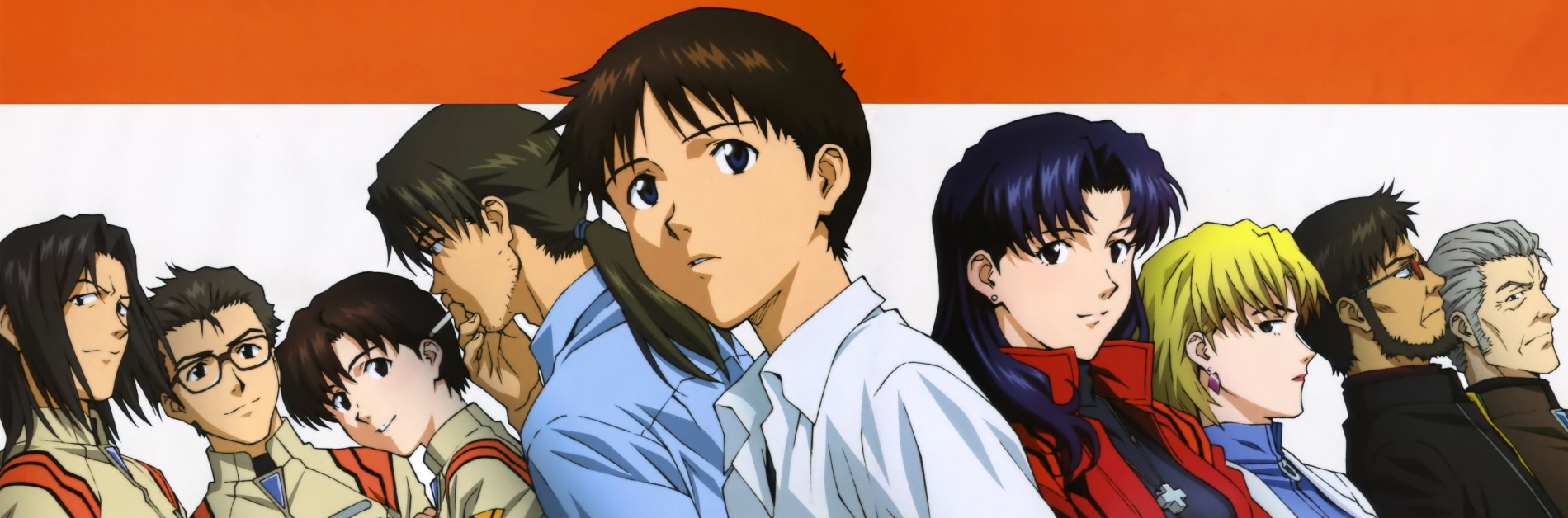
That silence isn’t emptiness. It’s pressure—psychological, cosmic, inescapable. Evangelion: 2.0 You Can (Not) Advance doesn’t trade in spectacle for its own sake; it weaponizes scale against intimacy. The Evas aren’t just mechs—they’re extensions of trauma, their movements jerky, disproportionate, human in how they flinch and stagger. The Angels aren’t monsters to defeat but mirrors: geometric, indifferent, alien in their logic—less Kaiju than cosmic horror made manifest in geometry. You don’t feel powerful piloting an Eva. You feel exposed, raw, hyper-aware of your own pulse inside a metal womb. The military bureaucracy doesn’t provide order—it deepens the dread, all clipped comms and unreadable command screens. And the “real robot” tag isn’t about technical fidelity—it’s about friction: joints grinding, sync ratios dropping, systems failing because the pilot is unraveling. This isn’t hope deferred. It’s hope interrogated, again and again, until you question whether salvation is even coherent—or just another layer of the trap.
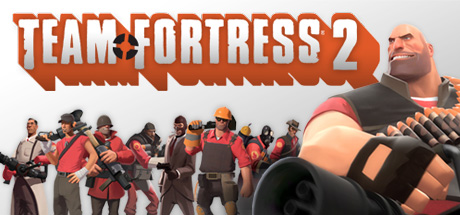
Which makes Team Fortress 2 shockingly resonant—not in plot or tone, but in emotional architecture. Its nine classes aren’t archetypes; they’re personality-as-system: the Heavy’s booming bravado masking exhaustion, the Spy’s performative calm over rotting nerves, the Medic’s manic genius fraying at the edges. Like Shinji gripping the controls or Asuka screaming into static, TF2’s chaos feels like emotional leakage made gameplay: a Pyro’s flamethrower isn’t just fire—it’s unfiltered panic, spraying wildly because control is the first thing lost. The player review nails it: “The community is gay, racist, sexist, gay, artistic, gay, furries, and love men.” That chaotic, contradictory, overwhelmingly human listing? It mirrors 2.0’s refusal to tidy emotion—to let grief, rage, desire, and absurdity coexist without hierarchy. Both reject polish for texture: TF2’s cartoonish gore and hat-based absurdity aren’t tonal whiplash—they’re the same defense mechanism Rei uses when she stares blankly past danger, or Mari when she grins mid-catastrophe. The “Military Sci-Fi” dim isn’t about tanks and lasers—it’s about institutions that fail to contain feeling, leaving only bodies, jokes, and desperate improvisation.
And the “Survival & Crafting” dim? That’s where 2.0’s post-apocalyptic weight lands—not in ruins, but in maintenance. Shinji doesn’t save the world by winning. He survives by reaching, again and again, across chasms of miscommunication, faulty interfaces, and his own collapsing sense of self. TF2’s survival isn’t about health packs alone—it’s about learning who to trust in the fog of war, when your Medic might betray you, your Scout might abandon you, and your Demoman’s sticky bomb could just as easily erase you as the enemy. Like Shinji’s sync ratio, it’s all contingent, fragile, negotiated. There’s no final upgrade path—just adaptation, failure, and the stubborn, exhausted return to the front lines.
This pairing isn’t for fans of clean catharsis or power fantasies. It’s for the ones who recognize the tremor in Shinji’s hand when he reaches for the activation switch—and also recognize it in the split-second hesitation before a TF2 player decides to heal instead of fight, or to betray instead of trust. It’s for people who find beauty in broken systems, poetry in malfunctioning interfaces, and profound relief in shared, unvarnished mess. Not the mess of incompetence—but the mess of being alive inside a structure that was never built to hold you. That’s where Evangelion: 2.0 You Can (Not) Advance and Team Fortress 2 meet: in the quiet, humid, terrifyingly tender space between a trembling finger and a button that might save—or shatter—everything.
🎮3 Games That Match the Vibe
Match Dimensions Explained
❓Frequently Asked Questions
Why does Team Fortress 2 keep coming up in Evangelion: 2.0 You Can (Not) Advance game recommendations?
It’s all about that tonal whiplash—just like Evangelion 2.0 flips between apocalyptic dread and sudden, absurd comedy (think Shinji awkwardly trying to flirt while an Angel melts into pink goo), TF2 balances military sci-fi chaos with over-the-top parody. The nine distinct classes—like the bombastic Heavy or neurotic Spy—echo Eva’s ensemble cast of deeply flawed, hyper-stylized personalities, and both use visual exaggeration (giant miniguns / giant Evangelion heads) to sell emotional extremes.
Is there a Team Fortress 2 Evangelion crossover mod or official adaptation?
No official Evangelion crossover exists—but TF2’s famously moddable nature means community-made content (like Eva-themed hats or voice lines mimicking Misato’s ‘Get in the robot!’ energy) pops up regularly on platforms like Steam Workshop. That said, Valve hasn’t licensed Eva, so nothing’s canon or endorsed—just passionate fans remixing TF2’s chaotic, hat-obsessed world with Eva’s aesthetic and angst.
How does Team Fortress 2 compare to Evangelion: 2.0 You Can (Not) Advance in terms of tone and pacing?
Evangelion 2.0 leans hard into psychological tension, slow-burn dread, and surreal, emotionally raw scenes (like Shinji’s silent breakdown after Kaworu’s death), while TF2 is relentless, fast-paced satire—think the Spy backstabbing mid-sentence as the Medic yells ‘I’m not even mad!’ Both use absurdity as armor, but TF2 weaponizes it for pure comedic release, whereas Eva uses it to deepen unease. Still, their shared ‘mecha & military sci-fi + dark comedy’ DNA makes them weirdly resonant siblings.
What’s the best game like Evangelion: 2.0 if I want something that’s equal parts intense, absurd, and visually bold?
Team Fortress 2 is your strongest match—it delivers that exact blend: intense team-based combat (Heavy’s minigun roar = Eva Unit-01’s berserk charge), absurd humor (the Pyro’s flamethrower ‘nope’ vibe mirrors Shinji’s panic spirals), and wildly expressive visuals (glowing Ubercharges, cartoonish explosions, and those iconic, personality-packed hats). With its 79 Metacritic score and decades of live updates, it’s held up precisely because it nails that high-stakes-yet-hilarious, deeply stylized energy.