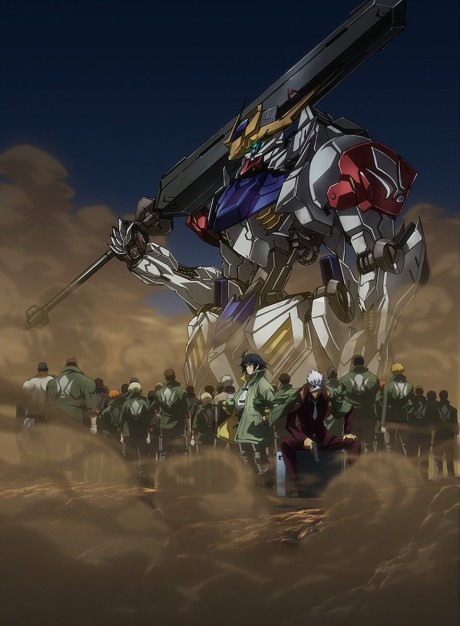
Mobile Suit GUNDAM Iron Blooded Orphans 2
Second season of Mobile Suit Gundam: Iron-Blooded Orphans.
Learning about the world from her journey to Earth, Kudelia founded Admoss Company to strive for the financial independence of Mars. While inspecting a mining site of halfmetal, Orga Itsuka, leader of Tekkadan hired by Admoss as guards, senses an attack from a new enemy and heads out to confront them, along with Mikazuki in the mobile suit Gundam Barbatos Lupus.
(Source: Anime News Network)
📺Anime Details
📝Editorial Analysis
The smell of burnt hydraulic fluid and ozone hangs thick in the cockpit of the Gundam Barbatos Lupus as Mikazuki’s knuckles whiten on the controls—not from fear, but from the slow, grinding weight of inevitability. Outside, the halfmetal mine on Mars fractures under artillery fire; inside, Orga’s voice crackles over comms, steady but frayed at the edges, giving orders that sound less like commands and more like farewells. There’s no heroic music swelling—just the low thrum of damaged servos, the static hiss between breaths, and the awful quiet after a comrade’s transmission cuts out mid-sentence. That silence isn’t empty. It’s full: of debt, of promises made in childhood shelters, of futures already mortgaged to warlords and corporations.
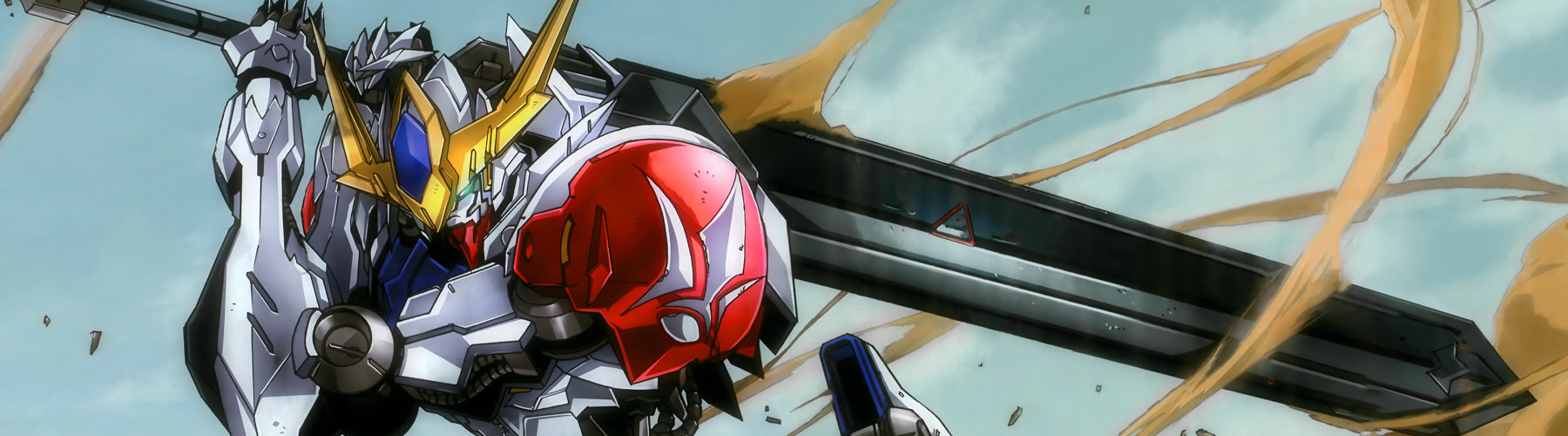
What makes Mobile Suit GUNDAM Iron Blooded Orphans 2 ache so deeply isn’t its mecha battles—it’s how those battles are staged as consequences. Not spectacle, but settlement. Every explosion echoes with unpaid rent on dignity. Every political negotiation is conducted under the barrel of a rifle held by someone who still flinches at loud noises. This isn’t grimdark for shock value; it’s tired. Exhausted. The kind of fatigue that settles in your jaw when you’ve lied to a child about why their brother won’t come home, then signed the contract that sent him there. The show forces you to hold two truths: that these kids built something real—Admoss Company, Tekkadan, a fragile found family—and that every institution they touch curdles under the weight of politics, military logic, and systemic tragedy. You don’t root for victory. You root for one more day where no one has to choose between loyalty and survival.
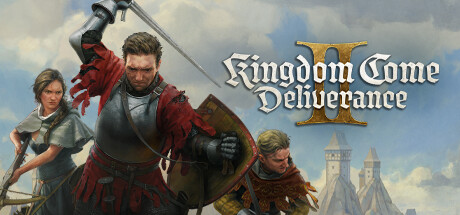
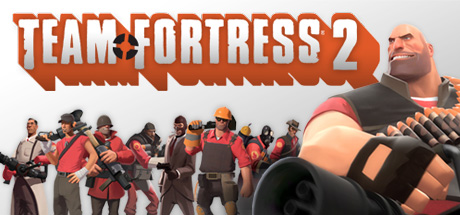
That same exhausted, tactically grounded tension lives in Team Fortress 2—not in its absurd hats or cartoonish explosions, but in its nine distinct classes, each defined by irreconcilable roles, limited ammo, and zero respawn grace. A Medic sprinting across open ground to heal a Pyro isn’t heroic—it’s desperate arithmetic. A Soldier lobbing rockets into a chokepoint isn’t dominating—he’s buying seconds for a Spy to slip behind lines. The player review nails it: “love it… chaotic,” yes—but also “gay, racist, sexist, gay, artistic, gay, furries, and love men.” That messy, contradictory, human community mirrors Tekkadan’s own: flawed, volatile, fiercely protective of its own, and constantly negotiating identity amid hostile systems. Both demand you adapt in real time, not to win, but to keep the fragile thing—the squad, the unit, the family—from dissolving into noise.
Then there’s Assassin's Creed™: Director's Cut Edition, whose description calls it a “political thriller” rooted in “tactical warfare”—a phrase that lands like a stone in Iron Blooded Orphans 2’s world. Kudelia doesn’t negotiate treaties in marble halls; she walks through dust-choked mining sites, her idealism measured in halfmetal yields and payroll ledgers. Her struggle is identical to Altaïr’s: not against monsters, but against layered hierarchies where every “ally” carries a ledger, every handshake conceals leverage. The player review admits the models are “dated”—but that aging texture fits. Like the worn uniforms of Tekkadan’s pilots, like the flickering holograms in Admoss boardrooms, it signals something used, lived-in, carrying history in its seams. No glossy utopias here—just corridors, rooftops, trenches, and offices where power moves in whispers and withheld paychecks.
Who loves this pairing? The viewer who watches Orga light a cigarette after burying a friend and feels recognition, not despair. The player who queues up Team Fortress 2 not for laughs, but because coordinating a last-second Demoman sticky trap with a Scout’s flank feels like the only honest teamwork left. The one who boots up Assassin's Creed™: Director's Cut Edition not for parkour, but for the weight of walking past beggars in Damascus while your mission dossier glows cold blue—knowing the system is rigged, but moving anyway. They’re the ones who understand that found family isn’t warm lighting and shared meals—it’s sharing a rusted mobile suit cockpit, sharing a health pack mid-firefight, sharing a single, unspoken look across a crowded, corrupt room—and choosing, again and again, to stay.
🎮2 Games That Match the Vibe
Match Dimensions Explained
❓Frequently Asked Questions
Why does Team Fortress 2 keep coming up in GUNDAM Iron Blooded Orphans 2 game recommendations?
Because both lean hard into chaotic, class-based tactical warfare—TF2’s Heavy with his minigun and Medic with his Ubercharge feel like spiritual cousins to Mikazuki’s reckless close-quarters duels and Atra’s precise支援 sniping. The dim 'Mecha & Military Sci-Fi' overlap isn’t about robots (TF2 has none), but about squad roles, objective-driven maps like Payload or Control Point, and that same gritty, high-stakes battlefield energy.
Is there a mobile or console port of GUNDAM Iron Blooded Orphans 2?
No—there’s no official mobile or console adaptation of *Iron Blooded Orphans 2*. The match list only includes PC titles like *Team Fortress 2* (which runs great even on laptops, per player reviews) and *Assassin’s Creed™: Director's Cut Edition*, an older PC-only release with dated textures but tight parkour-combat flow—neither are ports, just thematic matches.
How does Assassin’s Creed Director’s Cut compare to Iron Blooded Orphans 2 in terms of political intrigue?
Both dive deep into factional power struggles—AC’s Templar vs. Assassin cold war mirrors IBO2’s Tekkadan vs. Gjallarhorn tension, especially during tense rooftop negotiations or ambushes in Jerusalem’s alleys. While IBO2 uses mecha battles to escalate stakes, AC leans on stealth, assassination, and dialogue trees to expose corruption—like Altaïr unraveling conspiracies the way McGillis manipulates parliament.
What’s the best game like Iron Blooded Orphans 2 if I want that grim, grounded military vibe without giant robots?
Go straight to *Team Fortress 2*—yes, really. Its nine distinct classes (like the slow-but-unstoppable Heavy or the opportunistic Spy) create that same desperate, role-dependent combat you see in IBO2’s bridge-battles or desert skirmishes. And the constant map objectives—pushing carts, capturing points—mirror Tekkadan’s mission-driven survival, all wrapped in a surprisingly serious tone beneath the hats and chaos.