Diabolik Lovers
📺Anime Details
📝Editorial Analysis
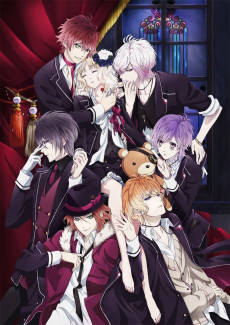
The air in the mansion is thick—not with dust, but with silence that hums. Not quiet, not peace—pressure. You feel it before you see him: a hand gripping your wrist just above the pulse, fingers cold as grave soil, voice low and unyielding as cracked marble. No music swells. No dramatic pause. Just breath held too long, eyes locked, and the slow, deliberate tilt of a chin—not asking, not offering—claiming. That’s Diabolik Lovers: not horror as jump-scare, but horror as proximity, as the unbearable weight of being seen—and wanted—by something that does not recognize consent as architecture, only as obstacle.
What makes this atmosphere singular isn’t its vampire trappings or school setting—it’s how relentlessly it weaponizes intimacy as violation. Every glance lingers too long; every touch lands with the finality of a seal pressed into wax. The female protagonist doesn’t “grow stronger” in the usual shōjo arc—she endures, recalibrates her nervous system around threat disguised as affection. It’s claustrophobic romance, exhausting devotion, inescapable hierarchy dressed in silk and blood. You don’t watch to root for love—you watch to understand how desire curdles when power isn’t shared, but siphoned. It forces you to sit with discomfort not as plot device, but as texture—the velvet lining of a coffin lid.
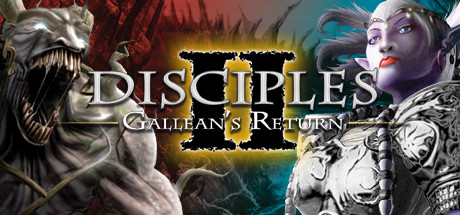
That same suffocating gravity lives in Disciples II: Gallean's Return. Its player review calls it “Awesome atmosphere”—not flashy, not loud, but dense, layered like centuries of ash over stone. The compilation includes Dark Prophecy, Guardians of the Light, and the original—a world where light doesn’t banish darkness, but negotiates with it in hushed, ritualized terms. Like Diabolik Lovers, victory here isn’t triumphant—it’s survived, earned through grim arithmetic: sacrifice one unit to hold a chokepoint, let a hero fall so the prophecy doesn’t unravel. No grand speeches, no redemption arcs—just cold calculus wrapped in gothic parchment and candle-smoke ambiance. The feeling is identical: you are never safe, only temporarily unmolested by consequence.
Then there’s Baldur’s Gate 3, scoring the same 76—not for its party banter or romances, but for how deeply it embeds moral erosion into gameplay. Its “Dark Fantasy, JRPG Narrative” dimension mirrors Diabolik Lovers’ refusal to sanitize predation. When a companion whispers promises laced with ancient hunger, when dialogue choices tighten like a noose rather than open paths, when “trust” means accepting terms written in ink that smells faintly of iron—you’re not choosing love. You’re negotiating surrender. The player doesn’t win agency; they learn its contours by bumping into walls built from legacy, bloodline, and irreversible choice. Just like the anime’s protagonist, you don’t escape the mansion—you learn which floorboards creak least under the weight of expectation.
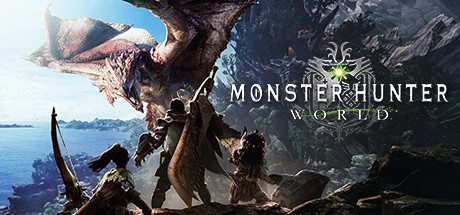
And Monster Hunter: World, also at 76, resonates in its tactile dread. Its “Dark Fantasy, JRPG Narrative” isn’t about lore dumps—it’s in the way a Rathalos’ wingbeat stirs dust before it’s visible, how the screen darkens subtly near an Elder Dragon’s lair, how your own breathing syncs with the hunter’s exhaustion after a third failed carve. There’s no villain monologuing—just scale, instinct, and consequence. Like Diabolik Lovers, danger isn’t personalized at first—it’s environmental, systemic, inevitable. You learn respect not through dialogue, but through scars, through gear upgrades bought with monster parts you had to wrestle from living flesh. The intimacy is physical, brutal, unavoidable—and strangely, profoundly ritualistic.
This pairing isn’t for fans of “dark romance” as aesthetic. It’s for people who recognize tension as narrative oxygen—who feel relief not in resolution, but in recognition: the shiver when a character’s smile doesn’t reach their eyes, the gut-drop when a game’s UI flickers just as your stamina bar hits zero, the quiet awe of standing in a cathedral lit only by dying embers—knowing the altar holds something older than prayer. It’s for those who don’t seek escape, but resonance: the kind that hums in your ribs long after the credits roll or the save file closes.
🎮9 Games That Match the Vibe


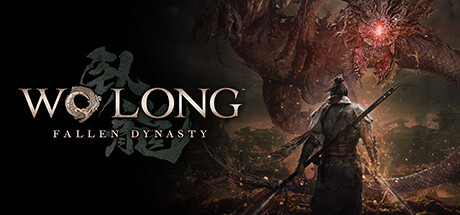
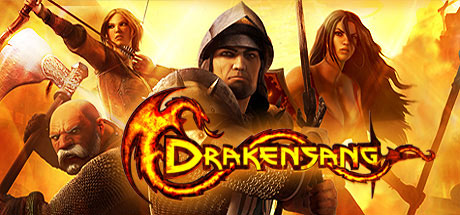
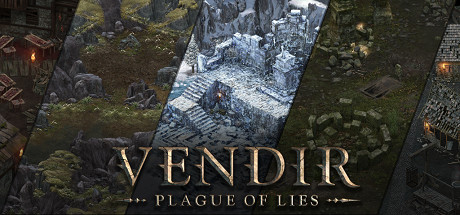

Match Dimensions Explained
❓Frequently Asked Questions
Why does Disciples II: Gallean's Return match Diabolik Lovers so closely despite being a strategy RPG?
Because both lean hard into gothic dread and morally gray romance—Disciples II’s vampire lord Gallean, cursed nobles like the Lich Lord, and cutscenes dripping with candlelit betrayal mirror Diabolik Lovers’ toxic family dynamics and forbidden tension. The ‘Dark Fantasy’ + ‘JRPG Narrative’ overlap isn’t about combat—it’s how every faction’s lore feels like a twisted love letter to Gothic melodrama, just like the Sakamaki brothers’ tragic backstories.
Is there an anime or visual novel adaptation of Baldur's Gate 3 that captures Diabolik Lovers' vibe?
No official anime or VN adaptation exists—but Baldur’s Gate 3 *itself* delivers that Diabolik Lovers energy through characters like Shadowheart (whose dark deity pact and repressed longing echo Yuki’s conflicted devotion) and scenes like the Underdark temple ritual, where intimacy blurs with danger and power imbalance. It’s not adapted *from* DL—it’s a spiritual cousin doing similar emotional gymnastics in D&D’s ruleset.
How does Burning Horns: A Bara Isekai JRPG compare to Diabolik Lovers in terms of romantic tension and dark fantasy tone?
Burning Horns nails the ‘forbidden allure’ vibe—think hulking, morally ambiguous bara demons like Kaelen (a fallen angel bound by blood oaths) whispering threats laced with devotion during dungeon-crawl cutscenes. While Diabolik Lovers leans gothic horror, Burning Horns swaps lace for leather and curses for contracts—but both share that ‘you’re trapped, you’re tempted, and the stakes are your soul’ pulse, backed by JRPG narrative pacing and dark fantasy worldbuilding.
What’s the best game like Diabolik Lovers if I want slow-burn, emotionally volatile romance with gothic atmosphere?
Disciples II: Gallean’s Return is your pick—it’s got brooding, centuries-old vampire lords (like the tragic, possessive Lord Varn), candlelit council chambers where dialogue choices shift loyalty like fragile glass, and a soundtrack soaked in pipe organ and whispered Latin. Player reviews call out its ‘awesome atmosphere’—exactly the kind of layered, oppressive elegance that makes DL’s tension feel earned, not just edgy.