
The Seven Deadly Sins the Movie: Prisoners of the Sky
The Seven Deadly Sins travel to a remote land in search of the phantom ingredient "sky fish." Meliodas and Hawk end up at a "Sky Palace" that exists above the clouds, where all the residents have wings. Meliodas is mistaken for a boy who committed a crime and is thrown in prison. Meanwhile, the residents are preparing a ceremony for defense against a ferocious beast that awakens once every 3,000 years. But the Six Knights of Black, a Demon Clan army, arrives and removes the seal on the beast in order to threaten the lives of the residents of Sky Palace. Meliodas and his allies meet the Six Knights of Black in battle.
(Source: Anime News Network)
📺Anime Details
📝Editorial Analysis
The wind doesn’t whistle—it howls through the fractured spires of the Sky Palace, carrying the metallic tang of ozone and the faint, sweet rot of cloud-moss clinging to iron-grated prison bars. Meliodas presses his forehead against cold, humming metal, not in despair but in quiet recalibration—his usual smirk gone, replaced by something older: the stillness of a blade sheathed mid-strike. Hawk perches beside him, feathers ruffled by updrafts that smell like lightning and forgotten altars. Below them, the world is erased—just endless sky, bruised purple at the edges, and the muffled chant of winged people preparing for a beast that sleeps three thousand years between breaths. That silence before the ritual—the weight of inherited dread, the fragility of a society built on suspended terror—is where The Seven Deadly Sins the Movie: Prisoners of the Sky lives.
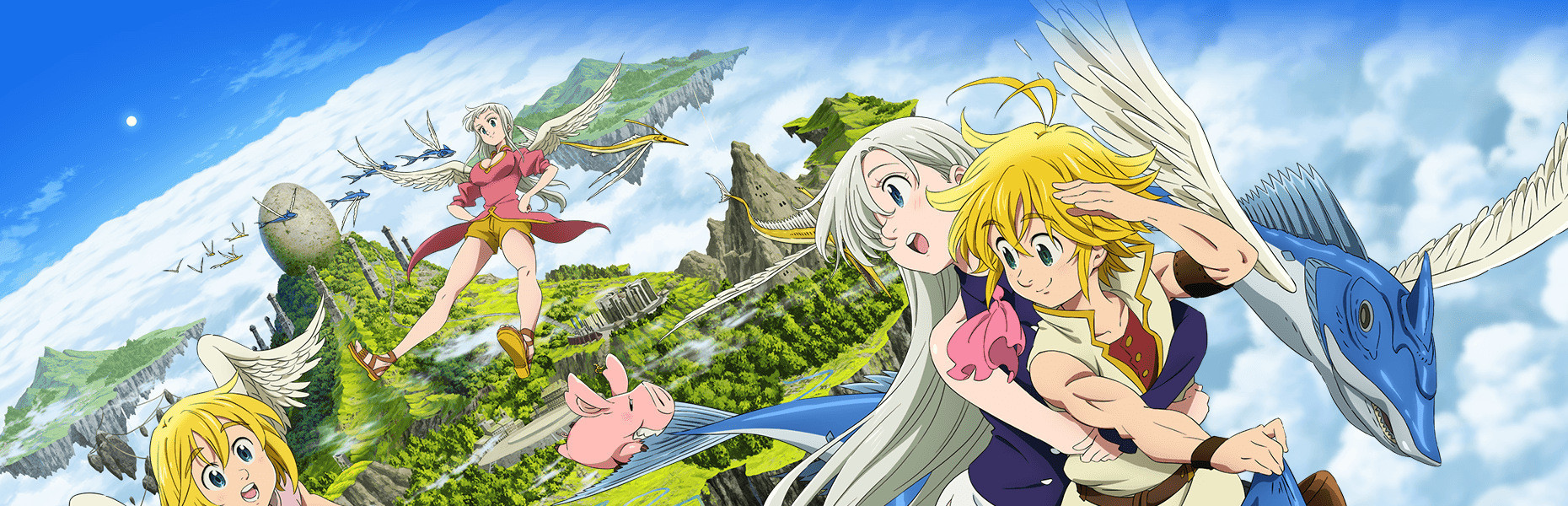
It’s not the scale that haunts you. It’s the texture: the way light fractures through stained-glass wings in the palace chapel, how the Six Knights of Black don’t roar—they unseal, with the calm precision of archivists opening a tomb. This isn’t shōnen spectacle as catharsis; it’s shōnen as archaeology. You feel the exhaustion of guardianship, the quiet horror of cyclical violence, the ache of being both savior and suspect in a land that measures time in millennia, not battles. It makes you think about legacy not as glory, but as sediment—layer upon layer of sealed threats, half-remembered oaths, and winged children taught to fear the sky above them. The fantasy isn’t escapist—it’s architectural, built on foundations of inherited trauma and fragile, airborne faith.
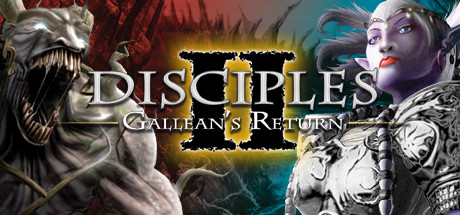
That same atmospheric gravity pulls you into Disciples II: Gallean's Return—a game whose player review calls it “Best Disciples ever” for its “Awesome atmosphere and gameplay!” Not flash, not speed, but atmosphere: the oppressive weight of prophecy, the slow burn of dark fantasy where every map tile feels like a page from a crumbling grimoire. Like the Sky Palace’s ceremonial preparations, Disciples II forces you to reckon with cycles—of corruption, resurrection, and inevitable siege—where victory isn’t clean, but preserved, like a seal holding back something ancient and ravenous. Then there’s Drakensang, praised by a player for evoking “good memories” and lamenting the absence of more games like it—because its magic feels lived-in, not conjured. Its party-based structure mirrors the ensemble cast’s quiet interdependence in the film: no solo heroics, just shared glances across a war table, the unspoken trust of people who’ve carried each other’s burdens across decades—not just battles. And Dragon Age: Origins, where a player notes the “pause attack mechanic” helps “strategist your tactic”—that deliberate, breathing-space tension mirrors the film’s pacing: Meliodas doesn’t rush the prison break; he listens to the guards’ rhythms, studies the seal’s resonance, waits for the exact tremor when the beast stirs. It’s strategy born of respect—for time, for consequence, for the cost of breaking chains.
This pairing isn’t for the adrenaline chaser or the lore-dumper. It’s for the person who pauses mid-battle to watch rain slick the cobblestones in Dragon Age, who traces the grain of weathered parchment in Drakensang’s quest logs, who feels the hush before the Sky Palace’s ritual not as setup—but as sacred suspension. It’s for those who love the weight of wings—not as freedom, but as responsibility; who find poetry in seals, power in patience, and profound emotion not in a final blow, but in the quiet moment Meliodas chooses not to shatter the bars… because the real prison was never made of iron. It was the three-thousand-year silence between heartbeats of the sky.
🎮13 Games That Match the Vibe


Match Dimensions Explained
❓Frequently Asked Questions
Why does Disciples II: Gallean's Return keep coming up when I search for games like The Seven Deadly Sins movie?
Because its dark fantasy tone, morally grey factions, and cinematic JRPG storytelling—like the dramatic prison-break climax or the way Gallean’s return mirrors Meliodas’ resurrection arc—hit the same emotional beats. Players love how units level up into visually distinct, lore-rich forms (think Holy Knight-tier transformations), and that ‘awesome atmosphere’ review nails why it resonates with Sins fans.
Is there a Seven Deadly Sins game adaptation I can actually play on modern Windows?
No official Sins game exists—but Disciples III: Reincarnation *was* pitched as a spiritual match due to its dark fantasy scale and narrative weight… except it’s practically unplayable on Windows 10/11 because of broken save paths (that ‘DO NOT BUY’ review is painfully accurate). Stick with Disciples II: Gallean’s Return—it runs flawlessly and delivers the same epic, faction-driven stakes.
Drakensang vs Dragon Age: Origins—which feels more like The Seven Deadly Sins movie’s vibe?
Drakensang wins for raw, grounded fantasy grit—the tavern brawls, cursed ruins, and party banter mirror the movie’s mix of humor and high-stakes action. Dragon Age: Origins leans heavier on tactical pauses and political intrigue (great for strategy lovers), but Drakensang’s third-person combat and Germanic mythos—plus that nostalgic ‘DSA’ tabletop authenticity—feels closer to the Sins’ blend of camaraderie and sky-battles.
What’s the best game like The Seven Deadly Sins movie if I want over-the-top power-ups and flashy unit evolutions?
Disciples II: Rise of the Elves—hands down. Its elven units level up into jaw-dropping forms (like archers becoming radiant sky-sentinels or mages summoning storm dragons), echoing the movie’s ‘Divine Spirit’ transformations. That ‘love the level ups into more badass units’ review? That’s your cue—this one nails the spectacle and escalation you crave.